Top Boutique Hotel Plans for Long Stays: Definitive Guide
The boundary between residential living and high-end hospitality has dissolved into a fluid, highly sophisticated asset class. Driven by the normalization of location-independent professional roles, extended corporate assignments, transitional personal relocations, and a growing cohort of global lifestyle travelers, the demand for extended-stay lodging has outgrown the traditional long-term rental market and corporate apartment sector. Historically, long-term stays meant choosing between two flawed options: the sterile, highly standardized environment of corporate housing complexes or the administrative friction and variable quality of private residential leasing platforms.
Neither model effectively serves the modern extended-stay traveler. Commercial extended-stay chains typically prioritize low operational overhead over design, resulting in institutional environments that induce cognitive fatigue over multi-week stays. Conversely, private short-term rentals lack professional maintenance, security infrastructure, reliable connectivity, and integrated service support. Boutique hotels have addressed this gap by re-engineering their physical layouts, pricing models, and service systems to support stays ranging from fourteen days to several months.
Evaluating top boutique hotel plans for long stays requires moving past superficial design elements like artful interior decor or welcome amenities. An extended stay transforms a hotel room from a temporary night’s shelter into a functional living environment. This transition demands specific spatial features: ergonomic work areas, culinary self-sufficiency, intelligent storage design, acoustic soundproofing, and predictable financial structures. Properties that successfully capture this market do not simply offer discounted nightly rates; they redesign their operational models to balance residential privacy with high-touch hospitality.
Navigating this sector requires a systematic understanding of how property design, lease mechanics, rate structures, and service delivery intersect. This guide provides a comprehensive analytical framework for evaluating, structuring, and choosing extended-stay boutique hotel plans. By examining spatial models, cost dynamics, service trade-offs, and operational risks, this analysis offers clarity for travelers, corporate travel managers, and hospitality asset managers seeking long-term value.
Understanding “Top boutique hotel plans for long stays.”
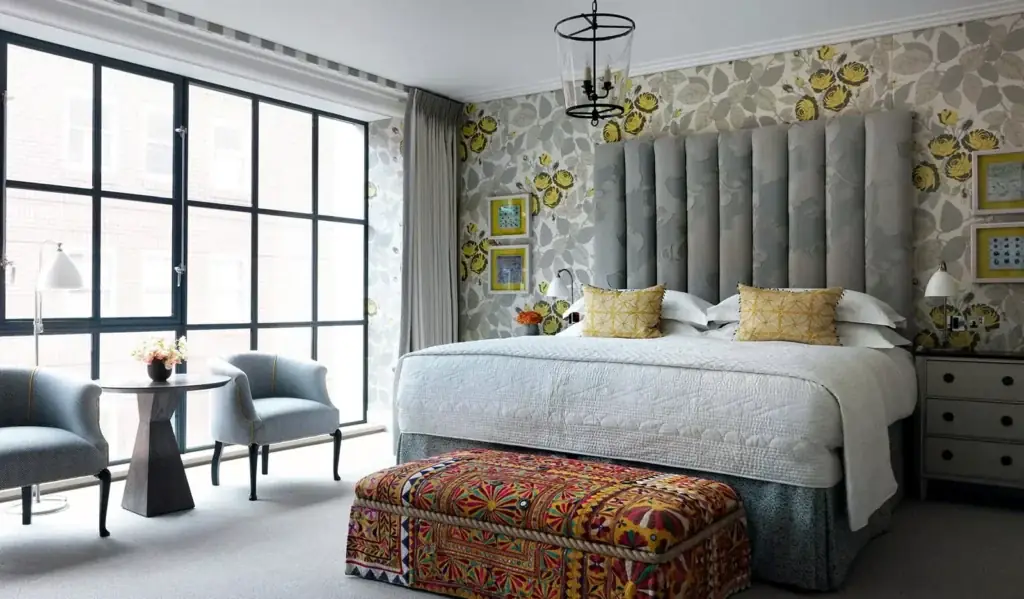
Analyzing top boutique hotel plans for long stays requires a multi-perspective framework that distinguishes short-term commercial lodging from genuine extended-stay residential design. In popular travel discourse, extended-stay plans are often mistaken for simple multi-night discounts applied to standard hotel inventory. In professional hospitality management, however, a true extended-stay plan represents a distinct operational agreement built on four foundational pillars:
-
Spatial Ergonomics and Functional Zoning: Rooms are designed with distinct functional zones for sleeping, focused work, dining, and relaxation. Storage solutions accommodate multi-week wardrobes, and kitchenettes feature functional appliances rather than basic mini-bars.
-
Tiered Financial Rate Architectures: Rate structures use sliding scale models, weekly or monthly flat-rate agreements, or hybrid membership structures that lower the average daily rate (ADR) as stay duration increases while eliminating hidden resort or utility fees.
-
Modulated Service Cycles: Guest services adapt from high-touch daily interventions to low-touch, high-efficiency schedules. Daily housekeeping transitions to scheduled bi-weekly deep cleanings, protecting guest privacy and reducing operational costs.
-
Residential Legal and Operational Frameworks: Stays extending past 14 to 30 days navigate regional tenancy regulations, tax exemptions (such as local occupancy tax waivers after 30 consecutive days), and custom guest agreements that balance hotel flexibility with residential security.
Core Comparison: Short-Term Transient vs. Extended-Stay Boutique Operations
-
Spatial Priority: Short-term lodging prioritizes bathroom size, aesthetic impact, and luggage rack placement for quick packing. Extended-stay boutique plans prioritize desk ergonomics, walk-in or deep storage closets, laundry infrastructure, and kitchen functionality.
-
Housekeeping Protocol: Transient rooms receive daily linen changes, bed making, and trash removal. Long-stay plans use scheduled bi-weekly deep cleaning with on-demand linen refreshes to minimize intrusion into the guest’s daily routine.
-
Revenue Mechanics: Transient models rely on dynamic daily pricing to maximize Yield and RevPAR based on immediate local demand spikes. Extended-stay plans prioritize occupancy stability, trading peak daily rates for predictable, long-term revenue streams.
-
Community Integration: Transient guests interact primarily with front-desk staff and central tourist sights. Long-stay guests engage with neighborhood amenities, local grocers, on-site co-working lounges, and resident community events.
A common misunderstanding among long-stay travelers is assuming that any luxury boutique hotel can comfortably support a multi-week stay simply by offering a discounted rate. High-end boutique properties designed exclusively for short weekend getaways often feature open-concept bathrooms, minimal drawer space, dim ambient lighting, and high-noise social lounges directly below guest rooms. While these features may suit a 48-hour leisure stay, they create significant friction over a 30-day stay.
Evaluating top boutique hotel plans for long stays requires analyzing whether a property’s physical building and service systems actually support daily living. Oversimplifying package selection, such as booking a standard room for a month without verifying kitchen facilities, desk setup, or laundry access, frequently leads to operational friction, unexpected out-of-pocket costs, and fatigue during extended stays.
Deep Contextual Background
The evolution of extended-stay boutique hospitality reflects broader historical shifts in labor mobility, urban design, architectural adaptive reuse, and real estate investment strategies over the past century.
Historical Evolution of Extended Lodging Models
-
The Residential Hotel and Boarding House Era (Late 19th–Early 20th Century)
Urban centers in North America and Europe relied heavily on residential hotels, apartment hotels, and upper-tier boarding houses. Properties like the Waldorf-Astoria in New York or the Ritz in Paris maintained permanent suites for artists, diplomats, and industrialists. These facilities combined private living quarters with communal dining rooms and full domestic service, establishing the early blueprint for luxury long-stay lodging. -
Post-War Suburbanization and Suburban Extended-Stay Chains (1950s–1990s)The expansion of highway systems and suburban office parks shifted focus toward functional, automotive-accessible lodging. Brands such as Residence Inn, Extended Stay America, and Homewood Suites emerged to serve corporate relocations, construction managers, and traveling auditors. While highly efficient, these standardized properties prioritized low operational costs over architectural character, resulting in uniform, car-dependent, and aesthetically bland environments.
-
The Urban Executive Apartment and Corporate Housing Era (1990s–2010s)As financial and tech sectors expanded, corporate travel managers turned to dedicated corporate housing platforms and master-leased residential apartments. These units provided full kitchens and multiple bedrooms in downtown locations. However, they lacked professional front-desk security, on-site food and beverage venues, communal social spaces, and consistent maintenance, leaving guests isolated from local neighborhood culture.
-
The Hybrid Boutique Extended-Stay Revolution (2010s–Present)The modern era is defined by the convergence of residential design, boutique aesthetics, and agile workplace technology. Pioneer operators—including extended-stay boutique brands, lifestyle aparthotel groups, and independent historic conversions—re-engineered urban properties. Featuring full kitchens, dedicated co-working areas, fitness suites, and neighborhood integration, these properties serve remote executives, creative professionals, and international travelers seeking long-term comfort paired with boutique hospitality.
Systemic Stages Summary
-
Stage 1: Urban Residential Hotels (Late 19th–Early 20th Century). Focus: Grand suites, full domestic service, permanent urban residents.
-
Stage 2: Suburban Extended-Stay Chains (1950s–1990s). Focus: Automotive access, kitchenette standardization, low operational cost.
-
Stage 3: Master-Leased Corporate Apartments (1990s–2010s). Focus: Residential square footage, off-site management, isolated living.
-
Stage 4: Integrated Boutique Extended-Stay Platforms (2010s–Present). Focus: Spatial zoning, high design, professional service, community hubs.
This evolution has been accelerated by tax regulatory shifts and dynamic municipal planning. Cities worldwide have tightened restrictions on short-term home rentals to protect local housing supply. As a result, professionally licensed, zone-compliant boutique extended-stay properties have emerged as the primary legal, high-quality solution for medium-term urban stays.
Conceptual Frameworks and Mental Models
To systematically evaluate and structure boutique extended-stay plans, hospitality asset managers, corporate travel procurement directors, and long-term guests can apply four analytical frameworks.
The Residential Friction-to-Hospitality Ratio
The long-term viability of a hotel stay depends on balancing residential self-sufficiency with supportive hospitality services.
Long-Stay Viability Index equals Spatial Ergonomics multiplied by Operational Predictability, divided by the sum of Domestic Friction and Service Intrusiveness.
In this equation:
-
Spatial Ergonomics evaluates kitchen functionality, work desk design, drawer capacity, and acoustic insulation.
-
Operational Predictability measures Wi-Fi stability, hot water reliability, security, and consistent billing.
-
Domestic Friction quantifies the effort required to handle daily living tasks (e.g., off-site laundry travel, inadequate cooking tools, trash disposal).
-
Service Intrusiveness measures unwanted interruptions from daily housekeeping, noisy corridors, or rigid hotel schedules.
High-performing long-stay boutique plans lower domestic friction by providing in-suite amenities (such as washer/dryers and full-sized fridges) and minimize service intrusiveness through scheduled, low-frequency housekeeping, while maintaining high spatial design and operational reliability.
The Spatial Zoning Pyramid
This spatial framework evaluates extended-stay room layouts across four distinct functional zones:
-
Rest & Sleep (The Acoustic Sanctuary)Positioned away from entry corridors and kitchen spaces. Requires blackout window systems, acoustic wall dampening (STC rating 55+), and independent climate controls.
-
Focused Work (The Professional Hub)Features an ergonomic chair, a dedicated desk surface (minimum 120cm x 60cm), accessible power arrays, hardwired Ethernet or dedicated Wi-Fi access points, and glare-free task lighting.
-
Culinary & Nutrition (The Self-Sustaining Unit)
Includes a multi-burner induction cooktop, full-sized or mid-sized refrigerator, dishwasher, convection microwave, deep sink, and complete cookware sets. -
Social & Living (The Residential Lounge)A dedicated seating area separate from the bed, featuring comfortable lounge chairs or a sofa, dining table, and media entertainment systems.
The Financial Rate Decay Curve
This economic model tracks how the Average Daily Rate (ADR) decreases as the length of stay (LOS) increases:
-
Tier 1 (Transient: 1–6 Nights): Standard dynamic daily pricing. High operational overhead (daily turnover costs) requires high ADRs to maintain profitability.
-
Tier 2 (Medium-Term Extended: 7–29 Nights): Structured weekly rates offering 15% to 25% savings. Reduced turn costs allow operators to trade peak daily yield for occupancy stability.
-
Tier 3 (Long-Term Residential: 30+ Nights): Flat monthly contract rates offering 30% to 50% savings over transient rates. In many jurisdictions, stays extending past 30 consecutive days qualify for local occupancy tax exemptions, lowering total out-of-pocket costs.
Key Categories and Operational Variations
Boutique hotel extended-stay plans vary based on building architecture, geographic location, target demographic, and service design.
1. Urban Heritage Aparthotels
-
Core Philosophy: Converting historic downtown structures (such as bank buildings, department stores, or trade exchanges) into high-design, fully serviced apartment suites.
-
Key Inclusions: Full kitchens, high ceilings, historic architectural details, on-site co-working lounges, ground-floor dining, and 24-hour concierge support.
-
Operational Characteristics: Moderate key counts (30–80 keys), central urban locations within walking distance of business districts, and structured monthly rate plans.
-
Representative Settings: Converted financial district towers in London, restored Haussmannian buildings in Paris, or historic commercial structures in Chicago.
2. Suburban and Innovation-District Executive Suites
-
Core Philosophy: Serving tech hubs, research parks, and medical centers by blending apartment-style layouts with productivity-focused business services.
-
Key Inclusions: Dedicated high-speed fiber networks, ergonomic workstations, meeting room credits, EV charging stations, and fitness centers.
-
Operational Characteristics: Low-to-medium density, quiet suburban or innovation-district settings, seamless digital check-in, and corporate master-billing integration.
-
Representative Settings: Tech corridors in Austin, Silicon Valley, Cambridge (UK), or Zurich.
3. Coastal and Alpine Resort Residences
-
Core Philosophy: Accommodating extended lifestyle stays, seasonal remote work, and sabbaticals in high-amenity leisure destinations.
-
Key Inclusions: Private balconies, gear storage (ski/surf lockers), heated outdoor pools, wellness facilities, and flexible seasonal booking terms.
-
Operational Characteristics: Strong seasonality, high weekend demand balanced by mid-week long-stay occupants, and wellness-focused community events.
-
Representative Settings: Mountain villages in the Swiss Alps, coastal retreats in Portugal, or island outposts in Bali.
4. Cultural and Arts District Micro-Apartments
-
Core Philosophy: High-density, space-efficient urban living designed for creative professionals and solo travelers seeking neighborhood immersion.
-
Key Inclusions: Custom modular furniture, pull-down wall beds or platform beds with integrated storage, compact kitchenettes, and vibrant communal lounges.
-
Operational Characteristics: Compact room footprints (22–35 square meters), lower baseline price points, active communal event programming, and strong local arts partnerships.
-
Representative Settings: Creative districts in Berlin, Tokyo, Brooklyn, or Melbourne.
5. Wellness and Longevity Extended Retreats
-
Core Philosophy: Combining long-term living quarters with structured preventive health, metabolic optimization, and medical wellness programs.
-
Key Inclusions: Medical-grade air and water filtration, circadian lighting systems, continuous biomarker tracking, custom meal plans, and daily hydrotherapy access.
-
Operational Characteristics: High practitioner-to-guest ratios, strict quiet hours, specialized culinary preparation, and structured 14-to-90-day health programs.
-
Representative Settings: Alpine thermal towns in Austria, coastal wellness retreats in Spain, or desert sanctuaries in Arizona.
| Category | Primary Operational Advantage | Main Trade-Off | Ideal Length of Stay | Target Demographic |
| Urban Heritage Aparthotel | Prime central location; full kitchen infrastructure; characterful architecture. | Higher baseline rates; limited parking options. | 14 to 90 Days | Relocating executives, urban consultants, leisure couples. |
| Executive Tech Suite | High productivity setup; dedicated fiber internet; quiet workspaces. | Less walkable nightlife; suburban automobile reliance. | 30 to 180 Days | Software engineers, corporate auditors, medical researchers. |
| Resort Residence | High lifestyle amenity value; nature access; wellness focus. | Seasonal rate spikes; variable winter/summer availability. | 21 to 60 Days | Remote-work professionals, seasonal lifestyle travelers, sabbaticals. |
| Micro-Apartment | Accessible pricing in prime city centers; vibrant community scene. | Restricted square footage; limited storage for large luggage. | 14 to 45 Days | Solo creatives, young professionals, digital consultants. |
| Longevity Retreat | Integrated health diagnostics; high biological recovery environment. | Premium total package costs; highly structured schedules. | 14 to 30 Days | Health-focused executives, recovery patients, wellness travelers. |
Detailed Real-World Scenarios
Evaluating top boutique hotel plans for long stays requires matching property capabilities with specific travel profiles, professional constraints, and personal priorities.
Corporate Relocation Executive (60-Day Urban Transition)
-
Context: A financial director relocates from Singapore to London for a 60-day transitional assignment while securing a permanent home.
-
Selected Property: A 45-key Urban Heritage Aparthotel in a central financial district.
-
Operational Execution:
-
Financial Plan: A 60-day corporate contract offering a 40% discount off standard ADR, with local occupancy tax exemptions applied after Day 30.
-
Spatial Requirements: A one-bedroom suite featuring a separate working desk, full kitchen, and in-suite washer/dryer.
-
Service Level: Bi-weekly deep cleaning, weekly linen service, and mail/parcel management for corporate deliveries.
-
-
Failure Mode Avoided: Booking a standard luxury hotel room lacking kitchen and laundry facilities, which would result in high room-service and laundry expenses.
-
Second-Order Outcome: Household stability allows the executive to maintain high work productivity while searching for permanent housing without administrative stress.
Remote Software Engineering Team (30-Day Project Sprint)
-
Context: A distributed team of four senior software developers relocates to a mountain valley town in Portugal for a 30-day intensive software build.
-
Selected Property: An Executive Resort Residence featuring private apartments and shared co-working spaces.
-
Operational Execution:
-
Financial Plan: Four individual studio apartment plans bundled under a corporate agreement, including meeting room credits and shared office space access.
-
Spatial Requirements: Studio apartments with quiet work desks, supported by a shared 1Gbps fiber-optic co-working lounge on-site.
-
Service Level: Weekly room cleaning, 24/7 technical support, and bike rentals for local transit.
-
-
Failure Mode Avoided: Renting unvetted private residential villas with unreliable home Wi-Fi networks that could disrupt software deployment deadlines.
-
Second-Order Outcome: Reliable technical infrastructure paired with outdoor mountain access keeps the development team focused, on schedule, and energized.
Academic Sabbatical Researcher (90-Day University Fellowship)
-
Context: A university professor spends a 90-day research sabbatical in a European historic capital.
-
Selected Property: A Cultural District Micro-Apartment property located near university libraries and museums.
-
Operational Execution:
-
Financial Plan: A 90-day residential lease agreement with fixed monthly billing and utility costs included.
-
Spatial Requirements: A compact, space-efficient apartment featuring built-in bookshelves, an ergonomic study table, and a functional kitchenette.
-
Service Level: Bi-weekly cleaning, self-service laundry access, and inclusion in property-hosted cultural events.
-
-
Failure Mode Avoided: Signing a rigid, traditional 12-month urban residential lease that requires complex local bank guarantees, utility connections, and furniture purchases.
-
Second-Order Outcome: Complete financial transparency with zero long-term lease liabilities, allowing the researcher to focus entirely on academic work.
Planning, Cost, and Resource Dynamics
Structuring an extended stay at a boutique hotel requires analyzing total cost dynamics rather than comparing headline nightly room rates alone.
Extended-Stay Financial Structure (30-Day Stay)
-
Discounted Base Room Rate: $3,600 – $9,500 / month ($120–$316/day)
-
Local Occupancy Tax Waiver (30+ days): -$400 – -$1,200 (Savings applied)
-
Bundled Utilities & High-Speed Internet: Included ($0 extra)
-
Bi-Weekly Housekeeping Service: Included or $150 – $300 / month
-
Culinary Savings (In-Suite Kitchen): -$800 – -$1,800 vs. daily dining out
-
Net Total Monthly Cost: $3,200 – $9,800 total out-of-pocket
Direct Costs vs. Indirect Savings
-
The Occupancy Tax Exemption Threshold: In many international jurisdictions and U.S. municipalities, stays extending past 30 consecutive days are legally reclassified from transient lodging to residential occupancy. This shift waives local hotel taxes (typically 10% to 18%), yielding substantial savings on the total bill.
-
In-Suite Culinary Value: Dining out three times daily in a major city can easily add $60 to $150 per person per day. An extended-stay suite equipped with a functional induction kitchen allows guests to prepare fresh meals, reducing daily living costs while supporting better personal nutrition.
-
Bundled Operational Expenses: Unlike residential apartment rentals—which require separate utility contracts, internet setup fees, cleaning deposits, and furniture rentals—boutique extended-stay plans bundle all operational expenses into a single, predictable monthly invoice.
Tools, Strategies, and Support Systems
Optimizing an extended boutique hotel stay requires utilizing targeted digital verification tools, direct negotiation strategies, and operational support systems.
-
Pre-Arrival Room Infrastructure Audits: Requesting a detailed room floor plan, electrical outlet map, and desk dimension specifications from property management before signing a long-term agreement.
-
Direct Sales Desk Rate Negotiations: Bypassing public online travel agencies (OTAs) to negotiate directly with a property’s Director of Sales or General Manager. Direct outreach often unlocks unlisted monthly rates, complimentary parking, or room category upgrades.
-
Network Speed and Stability Verification: Requesting an on-site speed test (measuring upload/download speeds and latency ping times) for the specific assigned room to ensure internet stability for remote video conferencing.
-
Custom Housekeeping Schedule Agreements: Establishing a clear housekeeping calendar upon arrival (e.g., Tuesdays and Fridays between 10:00 AM and 12:00 PM) to protect work hours and personal privacy.
-
Corporate Master Billing and Expense Portals: Utilizing integrated corporate billing systems to manage long-stay invoices, track tax exemption eligibility, and streamline accounting for corporate travel.
Risk Landscape and Failure Modes
Extended stays present distinct operational risks compared to short transient visits. Identifying potential failure points early helps long-stay guests and travel managers select the right property and avoid disruptions.
Primary Risk Vectors in Long-Stay Hospitality
-
Ergonomic and Physical Strain: Rooms designed for short weekend stays often feature decorative chairs and small coffee tables instead of proper workstations. Over a 30-day stay, working in unsupportive seating causes physical discomfort and fatigue.
-
Acoustic Fatigue and Cumulative Sleep Disruption: Minor noise distractions—such as an elevator ding, a humming mini-bar, or street traffic—that are tolerable for a weekend become major sources of frustration and sleep disruption over multiple weeks.
-
Inadequate Storage and Living Clutter: Rooms lacking deep closets, chest drawers, and luggage storage force long-stay guests to live out of suitcases, creating visual clutter and a chaotic living environment.
-
Tax Exemption and Billing Errors: Hotel front-desk systems designed primarily for short-stay guests may fail to apply local 30-day occupancy tax exemptions automatically, requiring manual intervention and administrative effort to resolve billing errors.
Governance, Maintenance, and Long-Term Adaptation
Maintaining high living standards across multi-week stays requires proactive communication between the guest and hotel management.
Property Evaluation Checklist for Extended-Stay Suitability
-
Ergonomic Workstation Audit: Is there a proper desk surface with accessible power outlets and a supportive, comfortable chair?
-
Culinary Functional Check: Does the kitchen feature a multi-burner stove, full sink, real refrigerator, microwave, and comprehensive cookware?
-
Storage Capacity Check: Are there enough hanging closets, chest drawers, and shoe storage spaces to accommodate a multi-week wardrobe?
-
Acoustic and Light Control Audit: Are windows double-glazed? Do blackout curtains fully seal against exterior streetlights? Is climate control equipment silent during operation?
-
Laundry and Utility Access: Is there an in-suite washer/dryer or a clean, accessible on-site guest laundry facility?
Measurement, Tracking, and Evaluation
Evaluating the success of a boutique extended-stay plan involves reviewing both quantitative financial metrics and qualitative lifestyle indicators.
Key Metrics for Extended-Stay Valuation
-
Effective Daily Rate (EDR): Total net stay cost (including room rate, taxes, parking, and fees, minus tax exemptions) divided by total nights stayed.
-
In-House Productivity Index: Subjective evaluation of work efficiency, Wi-Fi reliability, and ergonomic comfort during remote work hours.
-
Restorative Sleep Score: Tracking uninterrupted sleep hours, acoustic quiet, and room climate comfort using wearable devices or daily logs.
-
Domestic Friction Reduction Score: Assessing how easily daily living tasks (meal prep, laundry, parcel management) were handled during the stay.
Common Misconceptions and Oversimplifications
When evaluating top boutique hotel plans for long stays, several persistent myths can cloud judgment and lead to poor property selection:
-
Myth 1: “Booking a long stay through an online travel agency (OTA) guarantees the best rate.”Correction: OTAs take high commissions (15% to 25%) that prevent hotels from offering their lowest rates online. Contacting the hotel’s sales team directly often unlocks significantly lower, unlisted weekly or monthly rates.
-
Myth 2: “All boutique hotel suites include functional kitchens.”Correction: Many luxury boutique suites feature decorative wet bars or espresso stations without cooktops, deep sinks, or real refrigerators. Verifying exact kitchen appliance lists before booking is essential for meal preparation.
-
Myth 3: “Daily housekeeping is always desirable during a long stay.”Correction: Daily housekeeping can feel intrusive for long-stay guests working from their rooms. Scheduled bi-weekly or weekly deep cleanings protect guest privacy while maintaining room cleanliness.
-
Myth 4: “Short-term home rental platforms are always cheaper than boutique hotels for month-long stays.”Correction: Once home rental platforms add cleaning fees, service charges, and utility deposits, their total cost often approaches or exceeds a direct boutique hotel contract. Furthermore, boutique hotels provide 24/7 front-desk security, professional maintenance, and guaranteed service standards that private rentals lack.
Ethical, Practical, and Contextual Considerations
The expansion of boutique extended-stay hospitality carries important community, environmental, and regulatory responsibilities:
-
Housing Market Sustainability: Professionally licensed boutique aparthotels operate on commercial land parcels, helping meet medium-term lodging demand without converting local residential apartment stock away from long-term city residents.
-
Resource Efficiency and Energy Conservation: Extended-stay models significantly reduce water, energy, and chemical detergent use by transitioning from daily linen washing to scheduled weekly or bi-weekly cleaning cycles.
-
Local Neighborhood Integration: Long-stay guests contribute to local economies by shopping at neighborhood grocers, dining at local cafes, and supporting local businesses, fostering authentic community connections during their stay.
Conclusion
Selecting among the top boutique hotel plans for long stays requires moving beyond surface-level aesthetics to evaluate a property’s true residential design, financial tiering, spatial ergonomics, and operational reliability. A successful long-term stay depends on finding an environment that functions as a real home, providing a quiet space for rest, an efficient desk for work, and full kitchen facilities for daily living.
By evaluating properties through the lenses of spatial zoning, financial rate decay, ergonomic quality, and friction-free service delivery, long-stay travelers and corporate travel managers can choose boutique hotel plans that deliver exceptional long-term value, high work productivity, and a comfortable, restorative living experience.