Top Boutique Hotels for Honeymooners: Architectural & Operational Guide
The global romantic travel sector is undergoing a profound structural shift. For decades, post-nuptial leisure was dominated by commercial mega-resorts, standardized all-inclusive packages, and high-density luxury chain hotels. These properties relied on familiar brand recognition, grand spatial footprints, and high-capacity amenities to attract guests. However, as contemporary travelers increasingly prioritize acoustic privacy, spatial seclusion, cultural authenticity, and highly responsive service, the operational limitations of large-scale commercial hospitality have become glaringly apparent. In high-density resort environments, public spaces remain crowded, service interactions feel transactional, and the presence of diverse guest demographics from corporate conference delegates to noisy family groups often undermines the sense of romantic intimacy.
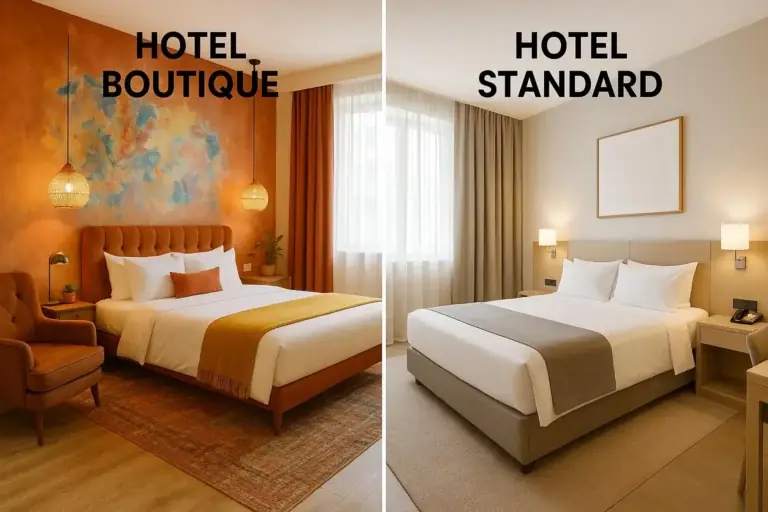
Boutique hotels, typically defined as independent or soft-branded properties operating with fewer than 80 keys, have emerged as the definitive solution for high-expectation couples. Evaluating top boutique hotels for honeymooners requires moving beyond superficial aesthetic criteria such as trendy interior decor, candlelit dinners, or complimentary sparkling wine upon arrival. Authentic boutique romantic hospitality is an intricate operational system. It requires harmonizing physical building design, micro-environmental acoustics, tailored culinary logistics, and highly intuitive guest-service protocols into a seamless, low-friction environment.
Unlike standard luxury hotels that treat romantic couples as simply another customer segment within a high-volume business model, dedicated boutique properties structure their entire operational model around spatial seclusion and emotional ease. By restricting room counts and maintaining high staff-to-guest ratios, these properties protect their spatial and acoustic environments. This structural constraint allows operators to deliver subtle, low-impact service that respects guest privacy while maintaining precise execution across every touchpoint.
Navigating this sector demands a clear understanding of how physical layouts, geographic settings, staffing models, and pricing structures interact. This analysis provides an exhaustive framework for evaluating, selecting, and experiencing boutique romantic properties, helping couples, travel advisors, and hospitality strategists separate genuine operational excellence from superficial marketing.
Understanding “top boutique hotels for honeymooners.”
Analyzing top boutique hotels for honeymooners requires a rigorous, multi-perspective framework that distinguishes cosmetic luxury from deep operational and architectural design. In commercial travel media, “boutique” is frequently misapplied to any small hotel featuring contemporary furniture, neutral color palettes, or a high-end spa menu. In a professional hospitality context, however, a property qualifies as an elite romantic boutique hotel only when its design and operations meet four core criteria:
-
Strict Key-Count Boundaries: Total room inventory rarely exceeds 10 to 50 keys. This spatial restriction protects the property’s acoustic environment, minimizes foot traffic in public areas, and eliminates social crowding that can trigger low-grade stress responses.
-
Elevated Staff-to-Guest Ratios: Staffing levels prioritize experienced, cross-trained service personnel over seasonal or low-ratio service models. High-performing properties maintain ratios between 2:1 and 4:1 staff members per room.
-
Acoustic and Sightline Seclusion: Physical design incorporates high-performance acoustic dampening, strategic landscaping, offset terrace orientations, and private entry points to ensure couples are protected from visual and auditory intrusions.
-
Flexible Culinary and Service Logistics: Operations move away from rigid dining hours, standardized buffet spreads, and fixed service scripts, offering instead on-demand in-suite dining, custom menu creation, and unscripted local excursions.
Core Comparison: Commercial Luxury vs. Boutique Romantic Architecture
-
Spatial Footprint: Commercial luxury relies on high-density, multi-story towers with shared corridors and central elevators. Boutique romantic properties utilize low-density, horizontal pavilion layouts, private entrance pathways, and isolated villa clusters.
-
Service Model: Commercial properties deploy transactional, highly specialized staff bound by strict departmental silos. Boutique properties feature cross-trained, intuitive personal hosts or dedicated concierges who oversee every touchpoint of a stay.
-
Acoustic Environment: Commercial resorts feature active public zones where background music, pool activity, and children’s recreation create continuous ambient noise. Boutique properties prioritize silent microclimates, using natural water features, thick masonry walls, and expansive landscaping to absorb sound.
-
Culinary Philosophy: Commercial operations rely on fixed dining seatings, large-scale kitchen prep, and standardized menus. Boutique kitchens operate with open-ended dining schedules, off-menu customization, and direct sourcing from local smallholders.
A fundamental point of confusion among travel planners is equating high room rates with romantic suitability. A high-end luxury property built for corporate conferences or urban weekenders may feature striking architecture, but it often lacks the spatial privacy required for post-wedding recovery. Introducing honeymooners into environments dominated by business meetings or lively social scenes introduces operational friction. Evaluating top boutique hotels for honeymooners requires assessing whether a property’s physical design and operating philosophy genuinely support undisturbed romance and effortless relaxation.
Oversimplifying property selection creates significant risk for couples recovering from months of wedding planning stress. Treating all boutique hotels as interchangeable leads to mismatches—such as booking a design-centric hotel in a dense urban core when the couple actually needs the quiet, restorative environment of an isolated rural sanctuary. Effective evaluation requires categorizing properties by their core operational focus, ranging from private island sanctuaries and historic rural estates to cliffside architectural retreats and remote wilderness lodges.
Deep Contextual Background
The evolution of romantic boutique hospitality reflects broader historical shifts in global travel patterns, architectural philosophy, and stress management.
Historical Evolution of Romantic Hospitality Architecture
-
The Grand Hotel and European Health Resort Era (Late 19th–Mid 20th Century)Post-nuptial travel originally centered on grand palatial hotels and mineral spa towns across Western Europe and North America. Locations like Baden-Baden, Lake Como, and Newport catered to elite travelers seeking fresh air, formal dining, and passive leisure within grand architectural settings. These properties emphasized social visibility and formal etiquette rather than private seclusion.
-
The Rise of Commercial Island Resorts (1970s–1990s)As jet travel expanded, romantic travel shifted toward tropical beach destinations. Large-scale resorts emerged in Hawaii, the Caribbean, and the Mediterranean, establishing the classic honeymoon archetype: beachfront high-rises, expansive swimming pools, and standardized all-inclusive amenities. While these properties made tropical travel widely accessible, their high guest volumes often compromised personal privacy and authentic local connection.
-
The Boutique Seclusion Revolution (2000s–Present)The modern boutique movement arose as a direct counter-response to mass luxury. Pioneered by independent hoteliers and visionary design groups across Southeast Asia, Central America, and Southern Europe, this paradigm shifted focus away from grand public spaces toward private pool villas, integrated natural surroundings, and hyper-personalized service. Today’s honeymooners prioritize mental recovery, acoustic quiet, non-toxic building materials, and bespoke cultural immersion over standardized luxury amenities.
Historical Stages Overview
-
Stage 1 (Late 19th–Mid 20th Century): Grand Hotels & Spa Towns. Focus: Social status, formal dining, grand public architecture.
-
Stage 2 (1970s–1990s): Mass Tropical Resorts. Focus: High-capacity beach access, structured pools, standard packages.
-
Stage 3 (2000s–Present): Boutique Seclusion Sanctuaries. Focus: Micro-acoustics, spatial privacy, bespoke culinary, low footprint.
This evolution has been further accelerated by changing workplace dynamics and heightened stress levels. Modern newlyweds often arrive at their destination suffering from wedding burnout and chronic digital fatigue. Contemporary boutique properties have adapted accordingly, evolving from simple romantic getaways into sophisticated sanctuaries engineered for rest, nervous system recovery, and meaningful connection.
Conceptual Frameworks and Mental Models
To systematically analyze romantic boutique properties, hospitality analysts and prospective guests can utilize three analytical frameworks.
The Friction-to-Intimacy Equation
Intimacy during a hotel stay is inversely proportional to operational and environmental friction. Operational friction occurs at every point of friction or frustration: complex check-in routines, intrusive housekeeping schedules, noise pollution, rigid meal times, and uncoordinated transfer logistics.
Intimacy Index equals Spatial Seclusion multiplied by Service Intuition, divided by the sum of Operational Friction and Acoustic Intrusions.
In this model:
-
Spatial Seclusion measures private square footage, terrace isolation, and private plunge pool access.
-
Service Intuition evaluates a team’s ability to anticipate guest needs without prompting or intrusive questioning.
-
Operational Friction quantifies administrative hurdles, payment processing delays, and rigid scheduling policies.
-
Acoustic Intrusions records ambient noise spikes from corridors, neighboring rooms, mechanical equipment, or external traffic.
A top boutique property systematically lowers the denominator by insulating room layouts and streamlining service processes, while maximizing the numerator through thoughtful spatial and service design.
The Triad of Spatial Isolation
This model evaluates how effectively a property’s architectural layout protects guest privacy across three physical zones:
-
Zone 1: Private Accommodations (In-Suite & Terrace)The primary sanctuary. Requires complete visual protection from neighboring rooms, soundproofed wall construction (STC rating 60+), private plunge pools or soaking tubs, and uninhibited views of nature.
-
Zone 2: Semi-Private Public Amenities (Dining & Leisure)Shared spaces engineered for physical spacing. Seating in restaurants, main pools, and lounges is spaced far apart to prevent overhearing conversations and maintain an uncrowded atmosphere.
-
Zone 3: Surrounding Natural & Cultural LandscapeThe property’s outer boundary. Uses natural land contours, oceanfronts, or private forest reserves to buffer the resort from public roads, commercial traffic, and external pedestrian foot traffic.
The Service Visibility Continuum
This model classifies service delivery based on how staff interact with guests:
-
High-Visibility/High-Touch (Standard Luxury): Staff members are constantly present, offering frequent verbal greetings, formal service scripts, and visible room servicing. This approach can feel overly intrusive to couples seeking solitude.
-
Invisible/High-Intuition (Elite Boutique): Staff manage room maintenance, dining setups, and itinerary adjustments seamlessly behind the scenes. Housekeeping occurs discreetly while couples are away at lunch; refreshed drinks arrive without prompting; and transportation runs with quiet efficiency.
Key Categories and Operational Variations
Boutique romantic hotels fall into five distinct operational models. Selecting the ideal property requires aligning a couple’s energy levels, lifestyle habits, and personal tastes with the operational strengths of each style.
1. Private Island and Coastal Pavilion Retreats
-
Core Philosophy: Unmatched maritime isolation, indoor-outdoor living, and immediate water access paired with private plunge pools and direct ocean views.
-
Key Inclusions: Dedicated island hosts, private boat or helicopter transfers, water sports equipment, and flexible dining on secluded beaches.
-
Operational Characteristics: Low room counts spread across vast coastal footprints, heavy emphasis on marine conservation, and high-performance climate control systems built for humid environments.
-
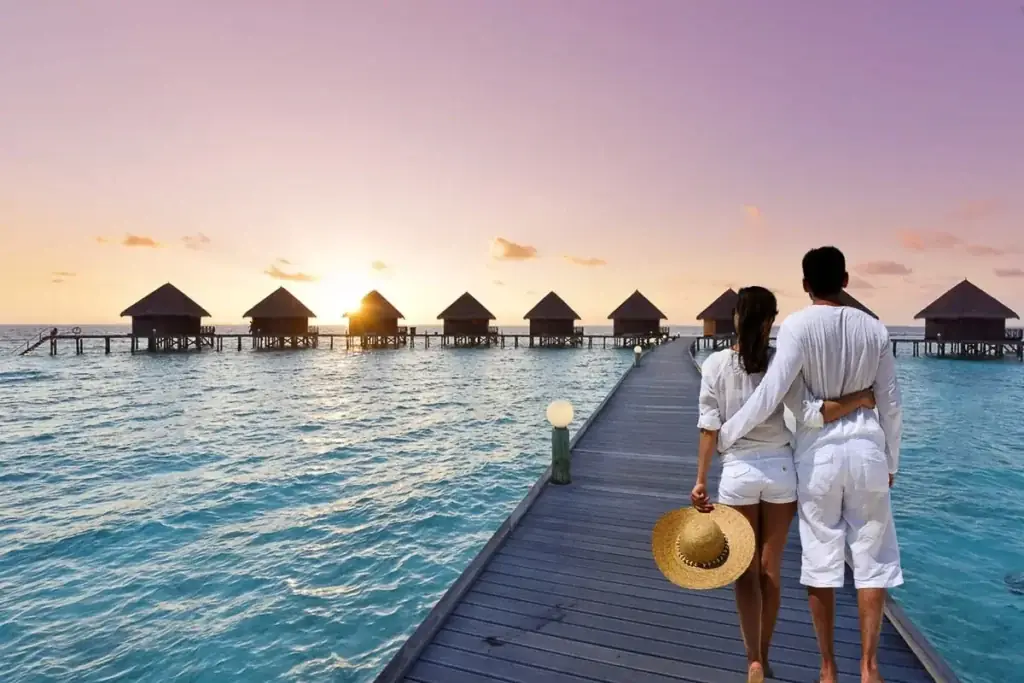
Representative Settings: Private atolls in the Maldives, secluded bays in French Polynesia, or cliffside pavilions on Indonesian islands.
2. Historic Estates and Countryside Sanctuaries
-
Core Philosophy: Deep cultural heritage, historic architecture, expansive manicured grounds, and farm-to-table culinary experiences.
-
Key Inclusions: Private wine cellar tastings, horse-drawn carriage or vintage car access, historic garden tours, and fireside in-suite dining.
-
Operational Characteristics: Restored heritage buildings, stone or brick wall construction providing natural acoustic insulation, seasonal menus, and quiet rural settings.
-
Representative Settings: Tuscan wine estates, Cotswold country manors, or converted Andalusian haciendas.
3. Cliffside and Caldera Architectural Outposts
-
Core Philosophy: Dramatic vertical architecture, sweeping ocean or valley panoramas, and striking plunge pool terraces carved directly into natural rock faces.
-
Key Inclusions: Private sunset dining on isolated decks, dedicated luggage porter services for steep terrain, and curated wine pairings.
-
Operational Characteristics: Compact physical footprints, multi-tiered cliffside layouts requiring careful foot traffic management, adults-only policies, and high visual privacy.
-
Representative Settings: Aegean caldera suites in Santorini, Amalfi Coast cliffside villas, or Big Sur mountain retreats.
4. Eco-Lodge and High-Altitude Wilderness Hideaways
-
Core Philosophy: Total immersion in wild, pristine natural environments without sacrificing physical comfort, high design, or exceptional dining.
-
Key Inclusions: Private guided wildlife tracking, backcountry helicopter access, outdoor hot tubs, and gourmet campfire dining experiences.
-
Operational Characteristics: Sustainable off-grid power generation, architectural designs that blend into natural surroundings, highly trained wilderness guides, and small guest capacities.
-
Representative Settings: Central American rainforest lodges, African private game reserves, or Patagonian alpine sanctuaries.
5. Culturally Immersive Urban Boutique Hotels
-
Core Philosophy: Historic city preservation, sophisticated interior design, direct access to world-class arts and dining, and quiet inner courtyard gardens.
-
Key Inclusions: Skip-the-line museum access, private after-hours city tours, rooftop cocktail lounges, and personalized shopping guides.
-
Operational Characteristics: Converted historic townhouses or palazzos, high-grade acoustic window insulation, intimate interior courtyards, and central urban locations.
-
Representative Settings: Restored machiya townhouses in Kyoto, Parisian private mansions, or historic palazzos in Florence.
| Category | Primary Operational Advantage | Main Trade-Off | Ideal Couple Profile |
| Private Island | Complete maritime isolation; direct ocean access | Complex travel logistics; potential weather sensitivity | Couples seeking total seclusion and warm-weather relaxation |
| Historic Estate | Deep cultural immersion; historic charm; farm dining | Inland locations; older building layouts with historic stairs | Couples who appreciate wine, history, and tranquil country life |
| Cliffside Outpost | Dramatic views; striking architectural design | Steep stairs; compact room footprints | Active couples who prioritize breathtaking views and design |
| Wilderness Lodge | Immersive nature access; unique outdoor adventure | Remote locations; variable weather and terrain | Outdoor enthusiasts seeking adventure paired with comfort |
| Urban Boutique | Easy access to arts, dining, and nightlife | Ambient city noise; smaller outdoor space footprints | Culture-focused travelers who enjoy vibrant city exploration |
Detailed Real-World Scenarios
Selecting among top boutique hotels for honeymooners requires matching a property’s design and operating style with a couple’s real-world needs, energy levels, and travel schedules.
Recovering Executive Couple Seeking Complete Rest
-
Context: Two busy corporate executives arrive following an intense 18-month work period and a large, multi-day wedding. They are experiencing severe mental fatigue, elevated stress, and disrupted sleep schedules.
-
Selected Property: A Private Island Pavilion Retreat in the South Pacific operating with 15 overwater villas.
-
Operational Features:
-
In-villa check-in that bypasses public reception areas entirely.
-
Completely open-ended breakfast schedules served directly on their private deck.
-
Guaranteed quiet hours across the island and strict digital detox options.
-
-
Failure Mode Avoided: Booking an active, resort-style property with fixed dining times, loud poolside entertainment, and intrusive social activities.
-
Second-Order Outcome: Uninterrupted rest allows their nervous systems to recover, restoring energy levels and natural sleep cycles by day three.
Culturally Minded Food and Wine Enthusiasts
-
Context: A couple passionate about regional cuisine, wine history, and local craftsmanship seeking an enriching European getaway.
-
Selected Property: A 12-suite Historic Wine Estate in the Tuscan hills.
-
Operational Features:
-
Daily private tastings in historic cellars led by the estate’s master sommelier.
-
Hands-on pasta and culinary workshops using ingredients harvested from on-site organic gardens.
-
Vintage sports car access for self-guided drives through local medieval villages.
-
-
Failure Mode Avoided: Booking an isolated beach resort that offers generic international cuisine lacking local character.
-
Second-Order Outcome: Deep engagement with local culture and food traditions creates lasting, meaningful memories beyond standard relaxation.
High-Energy Outdoor Adventure Couple
-
Context: An active couple that prefers physical challenges, wildlife exploration, and rugged landscapes over passive beach lounging.
-
Selected Property: An 8-villa Eco-Lodge in the Chilean Patagonian wilderness.
-
Operational Features:
-
Tailored daily hiking and horseback excursions led by dedicated private guides.
-
In-suite deep-tissue recovery massages paired with private outdoor wood-fired hot tubs.
-
Hearty, locally sourced meals paired with Chilean wines, served beside roaring fireplaces.
-
-
Failure Mode Avoided: Booking a traditional luxury beach resort where limited activity options lead to restlessness and boredom.
-
Second-Order Outcome: Shared physical challenges in dramatic wilderness environments foster deep bonding and shared achievement.
Planning, Cost, and Resource Dynamics
Evaluating the financial structure of boutique romantic hotel options requires looking beyond published nightly room rates. High-performing boutique properties operate with distinct cost profiles reflecting their low room counts, high staff ratios, and specialized services.
Cost Dynamics Breakdown
-
Base Suite / Villa Accommodations: $900 – $4,500+ per night
-
Private Dining & Bespoke Meals: $200 – $600 per couple/day
-
Specialty Transfers & Transit: $400 – $2,500 per stay
-
Curated Excursions & Spa Packages: $300 – $1,200 per event
-
Ancillary Resort & Service Fees: 10% – 25% added to final bill
When building a budget, couples and travel advisors should account for three key financial factors:
-
The Comprehensive Package vs. A La Carte Model:Some ultra-luxury boutique properties operate on an all-inclusive basis—bundling accommodations, private dining, fine wines, airport transfers, and daily spa treatments into a single transparent rate. While upfront costs appear high, this model often delivers superior overall value by eliminating surprise charges at check-out. Conversely, properties charging a la carte for every coffee, transfer, and spa visit can easily double their baseline room rates by departure.
-
The Hidden Cost of Transit Logistics:Reaching truly secluded boutique properties—such as private islands, mountain lodges, or deep rainforest retreats—often requires specialized transportation: seaplanes, private boat charters, helicopter hops, or 4WD transfers. These transit costs must be factored into the overall budget early in the planning process.
-
Seasonality and Microclimates:Boutique properties with small room inventories experience dramatic pricing swings between peak, shoulder, and low seasons. Booking during shoulder seasons (e.g., May or October in the Mediterranean; April or November in the Caribbean) can yield price reductions of 30% to 50% while maintaining excellent weather and low crowd density.
Tools, Strategies, and Support Systems
Properties that excel as top boutique hotels for honeymooners utilize specialized management tools and service strategies to deliver seamless, memorable stays:
-
Pre-Arrival Profiling Questionnaires: Detailed digital surveys sent weeks prior to arrival to record room setup preferences, pillow types, dietary preferences, favorite wines, allergies, and special celebrations.
-
In-Suite Childproofing & Acoustic Audits: Regular structural inspections ensuring quiet air conditioning operation, silent mini-fridges, smooth door hinges, and effective black-out window coverings.
-
Flexible Culinary Logistics: Kitchen operations designed to prepare off-menu requests, support in-suite dining around the clock, and pack gourmet picnics for private day trips.
-
Dedicated Personal Concierges: A single point of contact responsible for coordinating all daily activities, dining reservations, spa treatments, and local transport adjustments without requiring the guest to re-explain details to different departments.
-
Vetted Local Expert Networks: Relationships with local boat captains, private drivers, historians, and artisans who provide authentic, private local experiences far removed from mass tourism.
Risk Landscape and Failure Modes
Even high-end boutique romantic stays can face operational disruptions if property capabilities fail to match guest expectations. Identifying potential risk factors helps travelers choose the right property and avoid common stay disruptions.
Primary Risk Vectors in Romantic Hospitality
-
Acoustic and Visual Intrusions:Thin interior walls, noisy plumbing, or terrace layouts visible to neighboring rooms or public paths ruin privacy. A single poorly designed walkway passing directly in front of a private plunge pool deck compromises the entire room experience.
-
Inflexible or Intrusive Service:Staff who strictly enforce breakfast hours (e.g., closing at 10:00 AM), knock on doors during rest periods, or rely on stiff, corporate service scripts disrupt the relaxed flow of a romantic stay.
-
Demographic Mismatches:A boutique hotel that allows noisy wedding parties, corporate retreats, or families with young children into small shared spaces destroys the peaceful atmosphere couples expect on a honeymoon.
-
Transit and Arrival Friction:Long delays at airports, uncoordinated boat connections, or chaotic check-in procedures set a frustrating tone for a trip meant to relieve stress.
Governance, Maintenance, and Long-Term Adaptation
Maintaining an elite boutique romantic hotel requires constant operational review, rigorous facility maintenance, and continuous staff training.
Property Evaluation Checklist for Romantic Readiness
-
Spatial Privacy Audit: Are private pool decks completely shielded from neighbor sightlines? Can guests relax outdoors without being visible from public paths?
-
Acoustic Quality Control: Are room-to-room walls built to high soundproofing standards (STC 60+)? Are air conditioning units, mini-bars, and plumbing systems virtually silent?
-
Culinary Flexibility: Can the kitchen team comfortably accommodate late wake-ups, serve hot meals in suites, and adjust recipes for complex dietary needs without fuss?
-
Service Discretion: Are housekeeping and maintenance services scheduled quietly around guest activities, ensuring rooms are refreshed without disrupting couples?
Measurement, Tracking, and Evaluation
Assessing whether a boutique romantic hotel delivers true value requires evaluating both quantitative service metrics and qualitative stay indicators.
Valuation Metrics Summary
-
Quantitative (Efficiency): Time saved via in-suite check-in & transit.
-
Quantitative (Financial): Inclusive rate vs. itemized a la carte total.
-
Qualitative (Restorative): Subjective improvement in sleep quality & energy.
-
Qualitative (Experiential): Absence of operational friction; seamless privacy.
Core Metrics for Evaluating Stay Success
-
Transit and Check-In Efficiency: Measuring time saved through pre-arranged private transfers and seamless in-suite check-in procedures.
-
Restorative Quality: Assessing whether couples enjoy deep, undisturbed sleep, lowered stress levels, and complete daily schedule flexibility.
-
Friction-Free Service Delivery: Evaluating how effectively staff anticipate guest needs behind the scenes without requiring repeated requests or awkward interventions.
Common Misconceptions and Oversimplifications
When evaluating top boutique hotels for honeymooners, several persistent industry myths can cloud decision-making:
-
Myth 1: “Large 5-star brand-name resorts are always safer and higher quality than small independent hotels.”Correction: While major brands offer familiar consistency, their high key counts, busy public areas, and rigid operations often prevent them from delivering the deep privacy, acoustic quiet, and bespoke service that define true romantic luxury.
-
Myth 2: “A hotel advertising a ‘honeymoon package’ is automatically built for romance.”Correction: Many commercial hotels simply attach a “honeymoon package” (a bottle of cheap prosecco and a bed sprinkled with rose petals) to standard rooms located along loud corridors. True romantic properties build privacy into their core architecture and operational design.
-
Myth 3: “Overwater villas or cliffside suites are always the best choice for every couple.”Correction: Extreme villa designs can present drawbacks: overwater villas can be exposed to strong winds and ocean currents, while cliffside suites often involve steep, exhausting stair climbs. Matching room design to physical comfort preferences is essential.
-
Myth 4: “All-inclusive pricing always means low-quality, buffet-style dining.”Correction: High-end boutique properties have redefined all-inclusive models. In elite boutique settings, all-inclusive means custom, multi-course dining prepared on demand by talented chefs using premium local ingredients, paired with fine wines.
Ethical, Practical, and Contextual Considerations
The growth of boutique luxury hospitality introduces important environmental, cultural, and community responsibilities:
-
Environmental Stewardship: Boutique properties located in fragile microclimates—such as coral reefs, rainforests, or mountain ecosystems—must prioritize low-impact waste management, renewable energy, and responsible water use to protect their natural settings.
-
Cultural Authenticity and Respect: Romantic properties should integrate local architectural traditions, partner with local artisans, and employ regional guides, offering guests genuine cultural connection rather than superficial, commercialized experiences.
-
Fair Labor and Local Impact: Delivering high-touch service requires skilled local staff. Responsible boutique operators invest in ongoing employee training, fair living wages, and community development projects.
Conclusion
Selecting among top boutique hotels for honeymooners requires looking past superficial marketing imagery to analyze a property’s true architectural design, acoustic quality, and service philosophy. A successful romantic stay depends on strict spatial boundaries, low room counts, intuitive staff service, and flexible dining systems.
By understanding how spatial layout, physical isolation, service discretion, and financial clarity work together, couples and travel advisors can choose properties that eliminate travel friction. The right boutique property provides an undisturbed sanctuary where newlyweds can relax, recover from wedding stress, and create unforgettable shared memories.