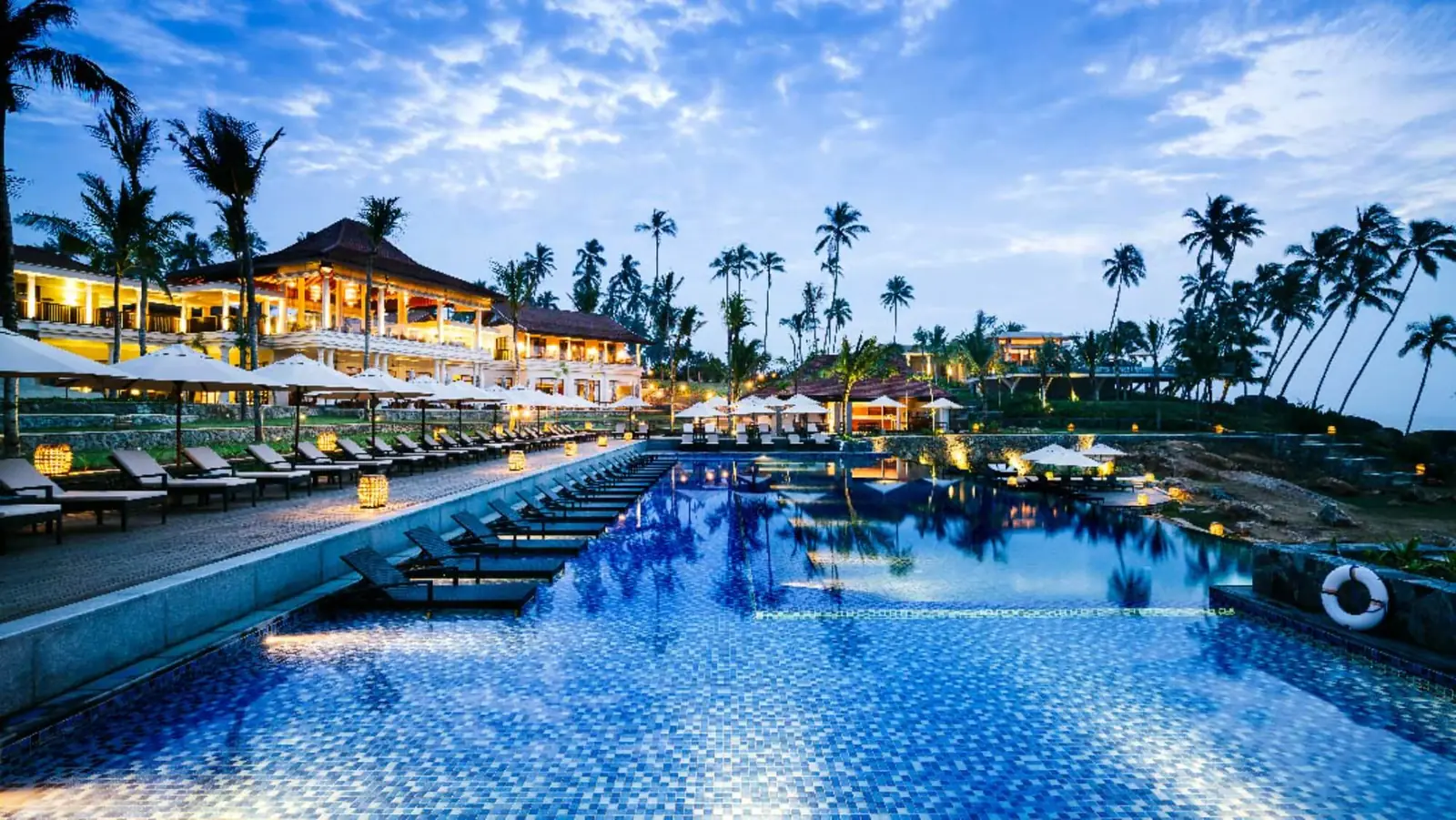
Best Boutique Hotel Packages for Family Vacations: Complete Framework
The luxury hospitality market is experiencing a structural shift in how families approach travel. For decades, expansive commercial mega-resorts dominated multi-generational family vacations. These properties offered high-capacity infrastructure, standardized kids’ clubs, and predictable buffet dining. However, as traveler preferences shift toward cultural immersion, spatial privacy, and bespoke service, mega-resorts’ operational limitations have become evident. High guest density, noisy communal areas, and rigid, assembly-line leisure activities frequently undermine the primary objective of a family getaway: meaningful connection across generations in a calm, restorative environment.
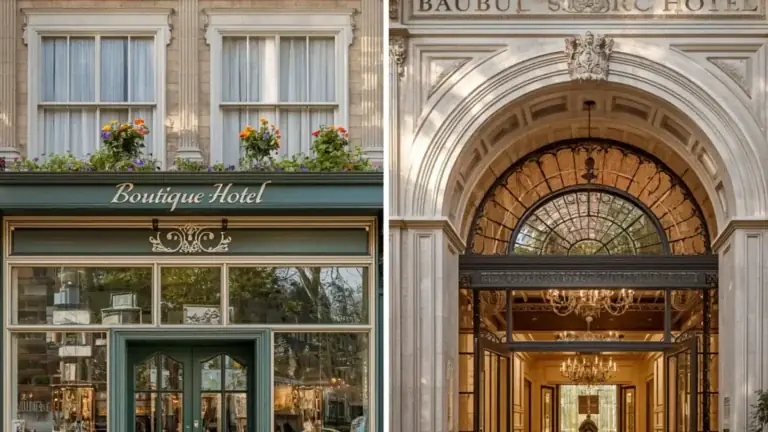
Boutique hotels, typically defined as independently styled properties with fewer than 100 rooms, have stepped into this space. They offer an alternative framework that balances architectural intimacy with tailored guest experiences. Evaluating the best boutique hotel options for family vacations requires moving beyond conventional marketing terminology like “kid-friendly luxury” or “family oasis.” A truly effective family package at a boutique hotel is a carefully engineered operational agreement. It integrates spatial configuration, culinary flexibility, intergenerational programming, and logistical support into a single, predictable structure.
Unlike standard room bookings that treat children as extra occupants and activities as ad hoc add-ons, structured family packages align property operations with the complex dynamics of traveling with children, parents, and often grandparents. Navigating this landscape requires analyzing how spatial limits, staffing models, and pricing structures interact. This guide provides an analytical framework for evaluating, selecting, and structuring boutique hotel family packages to ensure long-term value, operational efficiency, and low-stress family travel.
Understanding “Best boutique hotel packages for family vacations.”
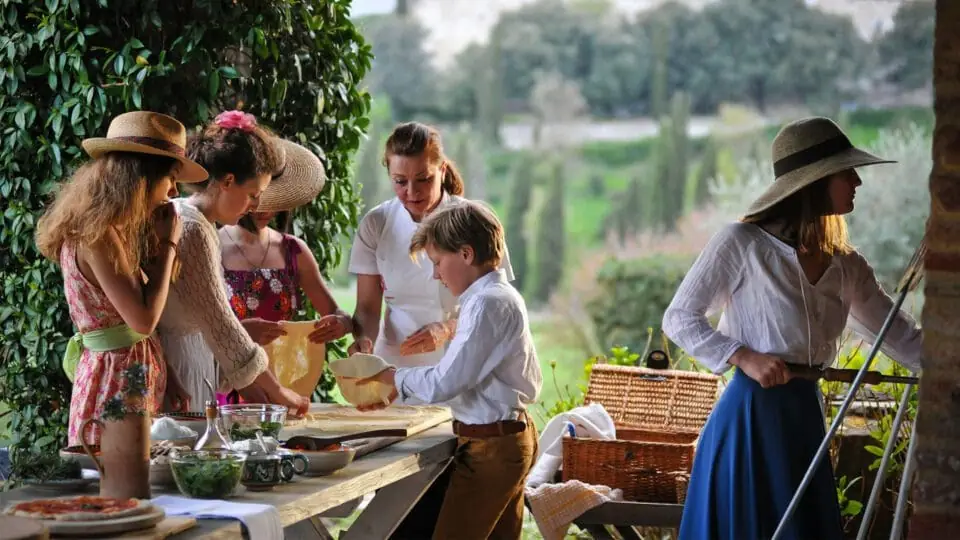
Evaluating the best boutique hotel packages for family vacations requires looking past surface-level marketing to examine a property’s core operational capabilities. The label “boutique” is frequently applied to small, design-focused hotels that are built exclusively for couples or solo business travelers. When these properties attempt to host families without adapting their physical space or service models, the result is often operational friction. True boutique family hospitality requires specific structural conditions:
-
Flexible Spatial Footprints: Rooms must offer internal connectivity, dedicated sleeping quarters for different generations, and private outdoor or living areas that accommodate contrasting wake-sleep cycles.
-
Low Staff-to-Guest Ratios: Staffing levels should allow the property to tailor daily itineraries, adjust meal preparation times, and accommodate unexpected schedule changes without operational strain.
-
Curated Intergenerational Activities: Programming should go beyond passive childcare or repetitive crafts, offering shared cultural, educational, or outdoor experiences that engage both children and adults.
-
Transparent All-Inclusive Pricing: Packages should bundle accommodations, specialized dining, key activities, and local transfers into a single rate structure, eliminating surprise costs during check-out.
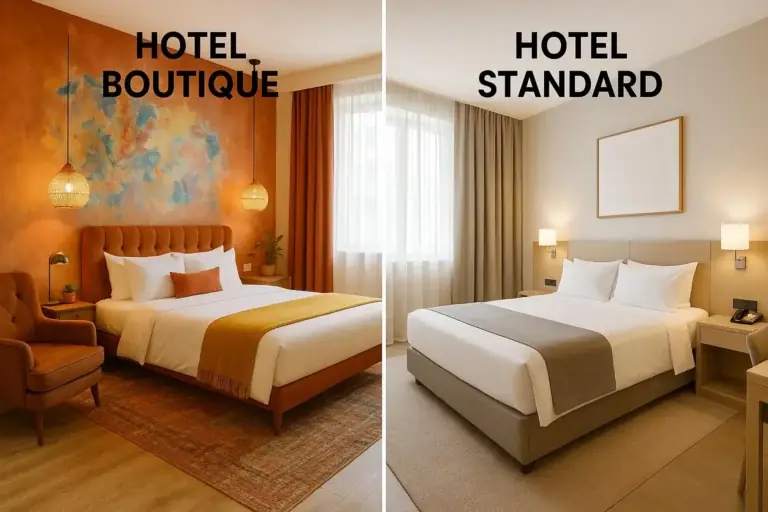
Package Component Comparison
-
Spatial Allocation Standard Model: Disconnected adjoining rooms or crammed suites. Boutique Package Model: Guaranteed connecting suites, multi-bedroom villas, or private wings.
-
Culinary Integration Standard Model: Fixed menu times, standard kids’ menus, expensive room service. Boutique Package Model: Off-menu meal prep, flexible dining hours, inclusive family-style dining.
-
Activity Structure Standard Model: Generic, large-group kids’ clubs with rigid hours. Boutique Package Model: Private, locally guided family excursions and tailored educational activities.
-
Cost Transparency Standard Model: Variable ancillary fees (resort fees, activity charges, tax additions). Boutique Package Model: Bundled transparent rates covering transfers, activities, and dining.
A common misunderstanding among family travel planners is equating a high price tag with family readiness. High-end boutique properties designed primarily for quiet adult escapes may feature open-water hazards, delicate art installations, thin acoustic insulation, and formal, slow-paced dining environments. Introducing children into these spaces can create tension between guests and staff. Evaluating the best boutique hotel packages for family vacations requires assessing whether a property’s physical infrastructure and service design genuinely support multi-generational stays.
Oversimplifying package selection leads to operational breakdowns during a stay. A package that appears comprehensive on paper may fail if it lacks flexibility in execution. Families have dynamic schedules dictated by nap times, energy fluctuations, and varying physical abilities across generations. A high-performing boutique package provides structural support while retaining the flexibility required to adapt to daily family needs.
Deep Contextual Background
The evolution of family-focused boutique hospitality reflects broader historical shifts in family structures, travel psychology, and real estate development over the past half-century.
Historical Evolution of Family Travel Architecture
-
The Commercial Resort Era (1960s–1980s). Post-war economic expansion and increased commercial aviation led to the rise of large-scale resort hotels. Family packages during this period focused on volume, offering standardized amenities like large swimming pools, game rooms, and buffet dining designed to serve hundreds of families simultaneously.
-
The Emergence of the Boutique Hotel (1980s–2000s). Pioneered by hoteliers seeking an alternative to standardized chains, the boutique movement focused on unique design, historic preservation, and nightlife. However, these early boutique properties catered almost exclusively to adult urban travelers, often actively discouraging family bookings to maintain an exclusive atmosphere.
-
The Multi-Generational Integration Era (2010s–Present). As affluent urban travelers started families, their travel expectations evolved. Unwilling to return to commercial mega-resorts, this demographic demanded boutique properties that retained high design standards and personalized service while accommodating multi-generational needs. Properties adapted by converting room inventories into multi-bedroom suites, hiring specialized staff, and creating experiential family packages.
The rise of remote work and flexible scheduling has further accelerated this trend. Family travel is no longer confined to traditional school holiday windows, leading to longer stays that blend work, education, and leisure. Contemporary boutique packages reflect this shift, incorporating functional workspaces, reliable connectivity, and educational local activities alongside traditional leisure programming.
Conceptual Frameworks and Mental Models
To systematically evaluate the best boutique hotel packages for family vacations, travel strategists and families can apply four core analytical frameworks.
The Friction-Reduction Matrix
Family vacation satisfaction is inversely proportional to operational friction. Friction occurs at transition points: check-in procedures, meal scheduling, transit logistics, and room configuration transitions. Vacation Quality equals Shared Experiential Value divided by Operational Friction.
-
Application: Evaluate how a package eliminates friction points. Key features include in-villa check-in, private airport transfers, pre-stocked kitchens, and flexible dining times.
-
Model Limitation: Minimizing all friction can insulate families from authentic local interactions, reducing the cultural value of the travel experience.
The Intergenerational Engagement Triad
A successful family package balances three distinct activity modes:
-
Independent Adult Rest: Quiet time for parents and grandparents (spa, unstructured reading, fine dining).
-
Targeted Youth Engagement: Age-appropriate, enriching activities for children that go beyond simple supervision.
-
Shared Intergenerational Connection: Activities designed for all generations to enjoy together without compromise.
-
Application: A balanced package allocates time across all three modes rather than focusing on just one.
-
Model Limitation: Requires properties to maintain skilled, versatile staff capable of managing both adult and youth programming seamlessly.
The Spatial Buffer Model
This model evaluates room layout based on acoustic isolation, privacy zones, and visual separation.
-
Zone A (Quiet Zone): Sleeping areas for infants, young children, or grandparents who require early sleep schedules.
-
Zone B (Active Zone): Shared living spaces for evening conversation, reading, or media consumption that do not transmit noise to Zone A.
-
Zone C (Outdoor Buffer): Balconies, terraces, or private gardens that allow adults to relax outdoors while children sleep inside.
Key Categories and Operational Variations
Boutique family hotel packages vary based on environment, activity focus, and property architecture. Selecting the right option requires matching family preferences with the strengths of each model.
1. Estate and Villa-Based Packages
-
Core Philosophy: Exclusive use of historic manors, country estates, or private villa complexes that provide complete spatial privacy and dedicated staff.
-
Key Inclusions: Private chef services, dedicated estate groundskeepers, private pools, and custom daily itineraries.
-
Operational Characteristics: High level of privacy, off-menu dining, and complete schedule flexibility.
-
Representative Settings: Tuscan countryside estates, Cotswolds manor houses, or private Caribbean villa compounds.
2. Eco-Lodge and Wilderness Safari Packages
-
Core Philosophy: Combining nature conservation and outdoor adventure with comfortable, low-impact accommodations.
-
Key Inclusions: Guided wildlife excursions, hands-on conservation work, educational youth wilderness programs, and all-inclusive dining.
-
Operational Characteristics: Immersive outdoor schedules, safety-focused staff, and structured group activities centered on environmental awareness.
-
Representative Settings: Costa Rican rainforest lodges, African private game reserves, or Patagonian eco-farms.
3. Coastal and Island Boutique Resort Packages
-
Core Philosophy: Relaxed coastal living paired with water sports, marine exploration, and beachside relaxation.
-
Key Inclusions: Non-motorized water sports gear, private boat charters, marine biology sessions for kids, and beachside family dining.
-
Operational Characteristics: Indoor-outdoor layouts, water safety staff, and flexible casual dining options.
-
Representative Settings: Greek island boutique properties, Balinese coastal retreats, or Mediterranean cliffside hotels.
4. Cultural and Historic Urban Boutique Packages
-
Core Philosophy: Using small, centrally located historic properties as bases for exploring urban art, architecture, and food history.
-
Key Inclusions: Private skip-the-line museum tours, family cooking classes, city walking itineraries, and transit logistics support.
-
Operational Characteristics: Walkable access to city attractions, concierge-driven itineraries, and curated local cultural experiences.
-
Representative Settings: Restored historic townhouses in Kyoto, Parisian boutique hotels, or historic palazzos in Florence.
5. Mountain and Alpine Lodge Packages
-
Core Philosophy: Year-round alpine recreation, combining winter sports or summer hiking with warm, comfortable accommodations.
-
Key Inclusions: Ski-in/ski-out access, equipment rental, in-room fitting, guided alpine hikes, and fireside family dining.
-
Operational Characteristics: Dedicated gear storage, wellness facilities (saunas, heated pools), and hearty regional cuisine.
-
Representative Settings: Swiss alpine chalets, Rocky Mountain lodges, or Japanese hot spring inns (Ryokans).
Operational Comparison of Categories
| Category | Primary Operational Advantage | Main Trade-Off | Ideal Family Structure |
| Estate & Villa | Complete spatial privacy; total schedule control | Higher baseline cost; reduced access to shared social spaces | Multi-generational groups (grandparents, parents, kids) |
| Eco-Lodge | Immersive educational activities; active outdoor focus | Remote locations; variable terrain and environmental exposure | Families with older children and teens (ages 8+) |
| Coastal Resort | High flexibility; accessible water recreation | Seasonal weather dependency; potential exposure to sun/water hazards | Families with mixed-age children, including toddlers |
| Urban Historic | High density of cultural attractions; walkable access | Smaller room footprints; limited green space on-property | Families with school-age children and teenagers |
| Alpine Lodge | Seamless access to winter sports and mountain recreation | Gear-heavy logistics; potential physical exertion demands | Active families seeking outdoor sports and winter activities |
Detailed Real-World Scenarios
Selecting among the best boutique hotel packages for family vacations requires matching package design with real-world family needs, travel constraints, and potential operational challenges.
Three-Generation Celebration Stay (Ages 6 to 75)
-
Context: Grandparents celebrating an anniversary, accompanied by two adult children and three grandchildren (ages 6, 10, and 14).
-
Selected Package: Estate and Villa-Based Package in a rural European countryside hotel.
-
Package Features: A four-bedroom private farmhouse on hotel grounds, private chef preparing shared family dinners, and daily options for either active excursions or farm relaxation.
-
Constraint Management: Grandparents require ground-floor suites without stairs; teenagers need reliable internet access and independent space; young children need safe, open outdoor areas.
-
Failure Mode Avoided: Booking separate rooms in a multi-story hotel where the family is split across floors, forcing communal gathering into busy public lounges.
Active Outdoor Family with Young Children (Ages 3 and 5)
-
Context: Two busy working parents seeking rest while keeping active young children entertained in a natural setting.
-
Selected Package: Coastal Eco-Resort Family Package with inclusive, half-day nature programs.
-
Package Features: Ground-floor beachfront suite with a gated terrace, early dining options, and specialized staff leading child-friendly tide pool exploration and nature walks.
-
Constraint Management: Strict adherence to nap schedules (1:00 PM – 3:00 PM) requires room service and quiet room surroundings during afternoon hours.
-
Failure Mode Avoided: Booking a hotel with fixed, late dinner seating (starting at 7:30 PM) and a high-volume kids’ club located in a windowless basement.
Cultural Urban Excursion with Teenagers (Ages 13 and 16)
-
Context: Parents taking teenagers on a week-long cultural trip to a historic European capital.
-
Selected Package: City Boutique Historic Hotel Package with curated private tours and culinary experiences.
-
Package Features: Two guaranteed connecting rooms, private morning art and history tours led by engaging guides, afternoon culinary workshops (e.g., pastry making), and flexible evenings.
-
Constraint Management: Teenagers prefer later wake-up times; parents want to maximize morning daylight for sightseeing.
-
Failure Mode Avoided: Over-scheduling rigid tour itineraries that lead to burnout and conflict over early mornings.
Planning, Cost, and Resource Dynamics
Evaluating the financial structure of family boutique packages requires analyzing bundled rates versusàa la carte pricing models. While the upfront cost of a comprehensive package may seem high, it often offers better overall value by eliminating hidden ancillary charges.
Boutique Family Package Cost Structure
-
Base Suite/Villa Accommodations: $800 – $3,500+ per night
-
Inclusive Dining & Private Chef: $150 – $350 per adult/day
-
Youth Activities & Supervision: $75 – $200 per child/day
-
Private Excursions & Transfers: $300 – $1,200 per event
-
Ancillary Resort Fees & Taxes: 15% – 28% added to subtotal
When evaluating pricing, families should consider several key cost dynamics:
-
The Ancillary Fee Trap: Standard hotels often list lower base room rates but charge extra for rollaway beds, kids’ meal upgrades, airport transfers, resort fees, and daily activity access. High-performing boutique packages bundle these expenses into a transparent, all-inclusive rate.
-
The Value of Time and Convenience: Private transfers, pre-arranged activity gear, and pre-booked museum passes save valuable time, reducing transit friction and maximizing relaxation during the stay.
-
Cancellation and Modification Flexibility: Family travel plans are vulnerable to sudden changes due to illness or school schedule conflicts. Premium packages often include flexible cancellation terms and date-change privileges.
Tools, Strategies, and Support Systems
Properties that excel at offering the best boutique hotel packages for family vacations utilize specific operational tools and management strategies to deliver high-quality service:
-
Pre-Arrival Profiling Systems: Detailed questionnaires sent weeks before arrival to capture room setup preferences, dietary requirements, child nap times, activity interests, and special celebrations.
-
In-Suite Childproofing & Gear Provision: Delivering essential items—such as cribs, high chairs, bottle warmers, pool safety fences, and age-appropriate books and toys—to the room before the family arrives.
-
Flexible Culinary Logistics: Kitchen operations that accommodate off-menu requests, early dinner seatings for young children, and custom picnic lunches for day excursions.
-
Dedicated Family Concierges: A single point of contact responsible for coordinating all daily activities, dining reservations, transportation, and schedule adjustments.
-
Vetted Local Partner Networks: Access to trusted local guides, private drivers, and certified childcare specialists who are experienced in working with children.
Risk Landscape and Failure Modes
Family vacations can face operational breakdowns when property capabilities fail to meet family expectations. Identifying these potential failure modes helps travelers select the right package and avoid common pitfalls.
Common Failure Modes in Family Boutique Hospitality
-
Acoustic and Spatial Discomfort: Thin room walls, poorly soundproofed doors, or open layout plans that cause noise to travel between sleeping children and awake adults, disrupting rest across generations.
-
Culinary Inflexibility: Dining venues with rigid operating hours, formal dress codes, or slow kitchen service that lead to overtired, hungry children and stressful meal times.
-
Superficial Family Amenity Claims: Properties advertising “family packages” that consist merely of adding a rollaway bed to a standard adult room and providing a box of crayons at dinner, without genuine operational support.
-
Environmental Hazards: Unfenced pools, open balconies, fragile low-level decor, or steep unrailed stairs that require constant parental vigilance, preventing adults from relaxing.
Governance, Maintenance, and Long-Term Adaptation
Sustaining a high-quality family package model requires boutique hotels to continuously review operations and update guest feedback systems.
Property Evaluation Checklist for Family Readiness
-
Spatial Safety: Are private pools fenced or fitted with alarms? Are balcony railings secure and childproof? Is fragile artwork positioned out of reach of young children?
-
Acoustic Separation: Do connecting rooms feature dual insulated doors? Are sleeping areas protected from noise generated in public hotel lounges or dining areas?
-
Kitchen Capabilities: Can the culinary team accommodate complex dietary restrictions, prepare fresh baby food, and serve early dinners starting at 5:00 PM?
-
Staffing Standards: Are childcare specialists background-checked, CPR-certified, and trained in multi-age engagement?
Measurement, Tracking, and Evaluation
Evaluating whether a boutique hotel family package delivered value involves reviewing both quantitative financial metrics and qualitative family feedback.
Key Metrics to Assess Package Success
-
Financial Efficiency: Comparing total all-inclusive package costs against the cumulative cost of à la carte bookings, activity fees, and transit expenses.
-
Transit and Wait Time Efficiency: Measuring time saved through pre-arranged private transfers, in-room check-in, and skip-the-line activity access.
-
Restoration and Balance: Assessing whether adults were able to enjoy unstructured rest while children were engaged in safe, high-quality activities.
-
Intergenerational Value: Evaluating whether shared activities successfully engaged both younger children and older generations without feeling repetitive or overly demanding.
Common Misconceptions and Oversimplifications
When researching the best boutique hotel packages for family vacations, several common industry myths can lead travelers astray:
-
Myth 1: Large commercial resorts are always better for children than boutique hotels.Correction: While mega-resorts offer extensive water parks and large kids’ clubs, their high guest density, noise levels, and crowded facilities can overwhelm young children and exhaust parents. Boutique properties offer calmer, safer environments with personalized care.
-
Myth 2: “Kid-friendly” means a property compromises on luxury design and fine dining.Correction: High-performing boutique properties integrate family amenities into sophisticated architectural spaces, offering elevated adult dining alongside flexible children’s options.
-
Myth 3: Booking a la carte provides better financial value than an all-inclusive package.Correction: A la carte bookings often accumulate hidden ancillary fees—such as resort charges, activity costs, rollaway bed fees, and extra transportation expenses—that make the final bill higher than a bundled package.
-
Myth 4: Connecting rooms offer the same experience as a dedicated family suite or villa.Correction: Connecting rooms often lack shared common living spaces, private dining areas, and proper acoustic separation, reducing spatial privacy compared to a multi-bedroom villa or suite layout.
Ethical, Practical, and Contextual Considerations
The growth of family boutique hospitality raises important ethical and practical questions for property owners and travelers:
-
Community and Environmental Impact: Boutique properties operating in fragile ecosystems or historic communities must manage water use, waste disposal, and tourism footprints responsibly, setting a positive environmental example for young guests.
-
Fair Labor and Staffing Practices: Providing high-touch family service requires skilled childcare professionals, private chefs, and local guides. Properties should ensure fair wages, proper certifications, and healthy working conditions for all team members.
-
Respecting Cultural Authenticity: Family activities should promote genuine cultural learning and environmental appreciation, avoiding artificial or performative experiences.
Conclusion
Selecting among the best boutique hotel packages for family vacations requires looking beyond attractive marketing imagery to evaluate a property’s true operational infrastructure. A successful family stay depends on flexible spatial layouts, low staff-to-guest ratios, thoughtful culinary policies, and engaging intergenerational programming.
By understanding how spatial layout, service design, and transparent pricing work together, families can choose boutique hotel packages that eliminate operational friction. The right property allows every generation—from young children to grandparents—to enjoy a comfortable, restorative, and memorable travel experience.