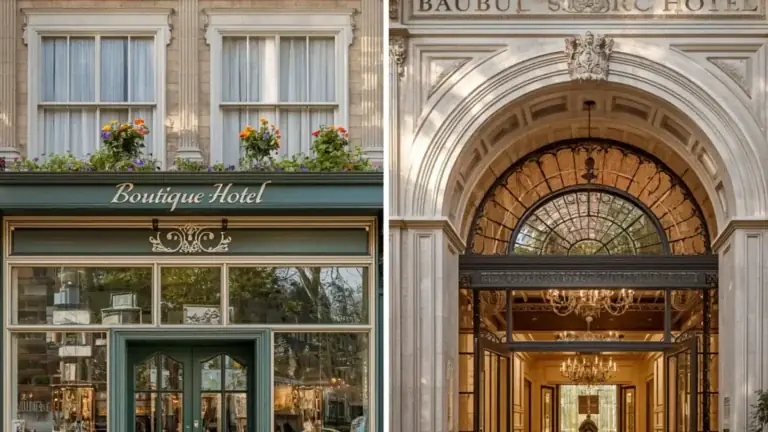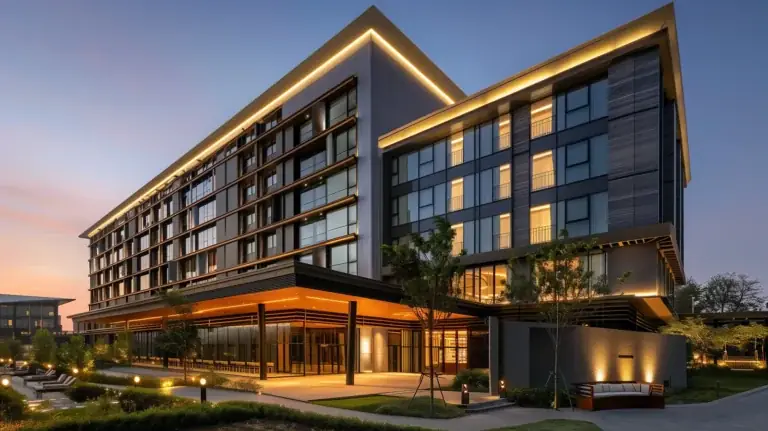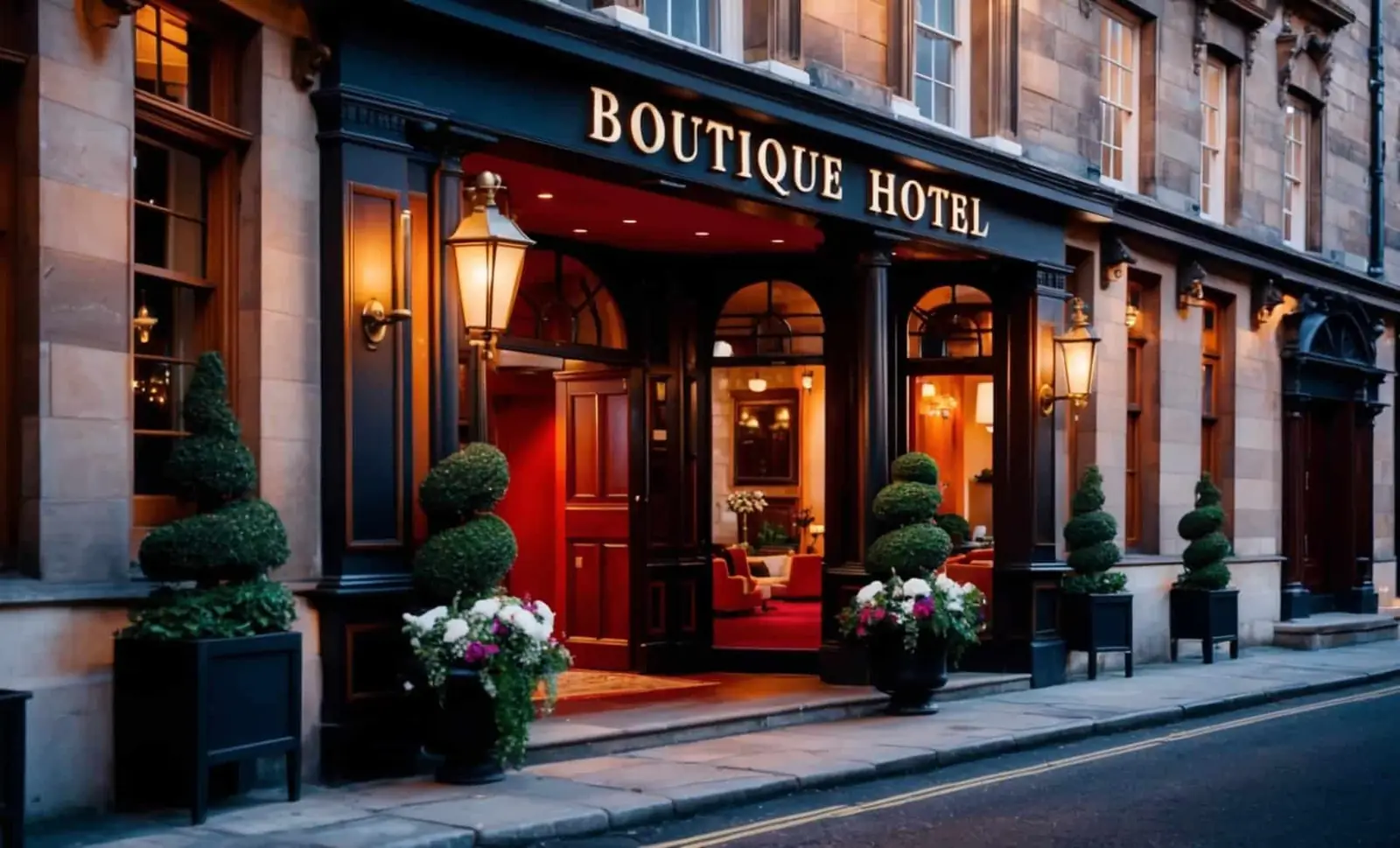
Best Boutique Hotel Options for Relaxation: Expert Guide
True relaxation during short- or medium-duration leisure travel is rarely an accidental byproduct of a hotel booking; it is the calculated result of spatial economics, acoustic engineering, and low-density hospitality design. In contemporary travel, the term “relaxation” has been diluted by marketing vernacular, often applied indiscriminately to any property featuring a swimming pool, plush linens, or a spa menu. However, for travelers seeking deep physical recovery and mental decompression, standardized commercial hospitality frequently fails. High-capacity resorts, despite their expansive amenities, introduce subtle sensory friction: persistent background chatter, long transit corridors, crowded dining venues, and administrative bottlenecks that continually stimulate the nervous system.
Boutique hospitality addresses these physiological and sensory stressors through scale compression and intentional spatial design. Operating within limited physical footprints typically between 10 and 80 keys, these properties substitute mass-market efficiency with spatial isolation, localized materials, and low guest density. In a restorative boutique environment, relaxation is not merely an amenity offered between 9:00 AM and 5:00 PM; it is embedded in the architectural layout of the building, the acoustic decoupling of guest quarters, the lighting spectrum, and the pacing of service delivery.
Evaluating properties engineered for genuine rest requires moving beyond superficial review aggregates and staged photography. Determining the best boutique hotel options for relaxation demands a structural examination of building mechanics, location placement, spatial layout, service velocity, and environmental controls. A trip planned without evaluating these operational parameters risks transforming an intended retreat into a frustrating experience plagued by noise leakage, intrusive service, or visual clutter.
Understanding “best boutique hotel options for relaxation.”
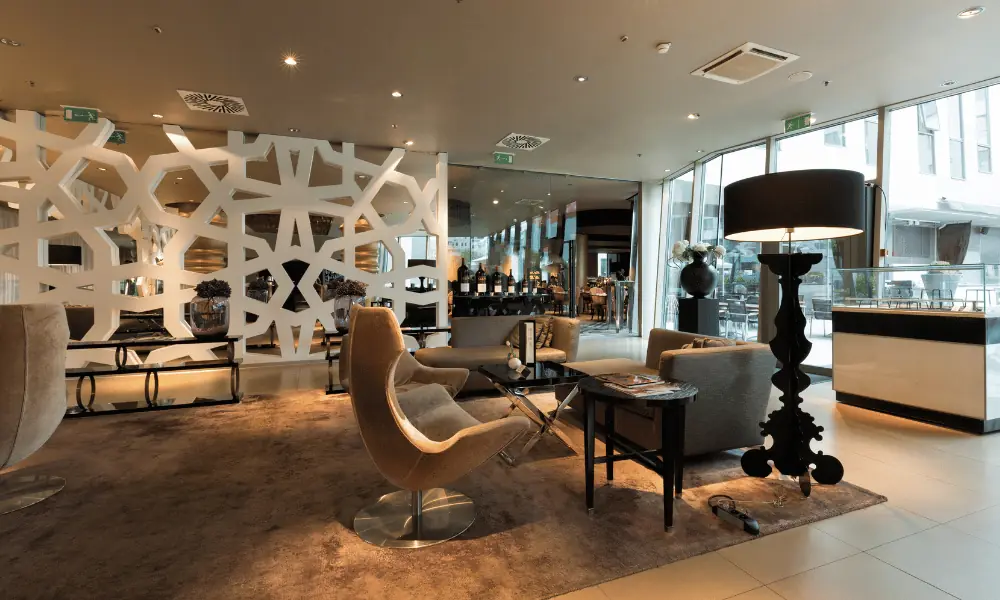
Identifying the best boutique hotel options for relaxation requires stripping away lifestyle marketing to analyze the physical, sensory, and operational factors that allow the human nervous system to settle. At its core, a restorative stay relies on an environment engineered to eliminate friction, unwanted sensory inputs, and administrative delays.
The structural viability of a retreat built for relaxation rests on four operational pillars:
-
Acoustic Isolation and Soundscape Control: Advanced wall framing, double-paned or laminated window glazing, quiet climate control systems, and corridor buffers that prevent noise transfer.
-
Low Density and Spatial Autonomy: Generous public space square footage per guest key, ensuring common areas, pools, and dining spaces remain uncrowded.
-
Circadian and Lighting Alignment: Warm, low-kelvin evening lighting, complete blackout window treatments, and natural daylight integration that support healthy sleep cycles.
-
Unobtrusive, Anticipatory Service: Service delivery that meets guest needs intuitively without requiring frequent interruptions, long waits, or repetitive administrative check-ins.
A common error in selecting a relaxing getaway is prioritizing property appearance over operational execution. Booking a visually striking hotel situated above a bustling bar or along a busy thoroughfare often results in sleep disruption that compromises the entire stay. Similarly, selecting a boutique property that hosts large private events or public social gatherings introduces noise and crowding that undermine the tranquil environment guests expect.
Evaluating the best boutique hotel options for relaxation requires applying a strict standard: the property must actively isolate the guest from environmental stressors while providing an intuitive, comfortable setting. Achieving this demands matching a property’s physical location, layout, and service model against the specific recovery goals of the traveler.
Deep Contextual Background: Evolution of Restorative Lodging
The concept of traveling specifically for rest and biological recovery has evolved alongside changes in urbanization, work culture, and industrial design over the past two centuries. Before the mid-nineteenth century, health-focused travel was largely limited to extended stays at geothermal mineral springs, alpine sanatoriums, or coastal sea-air retreats. These early retreats were designed around medical recommendations of the era, emphasizing climate, natural air circulation, and structured daily routines over luxury amenities.
As urbanization accelerated throughout the twentieth century, commercial hospitality shifted toward high-density hotel towers designed to serve business travelers and mass tourism. These properties prioritized location efficiency, room standardization, and high operational throughput. While efficient, these commercial environments introduced environmental stressors such as elevator noise, street traffic, bright hallway lighting, and persistent crowds that run counter to deep relaxation.
Several key developments over the past thirty years drove the emergence of modern restorative boutique hospitality:
-
The Intensification of Digital Connectivity and Sensory Overload: As mobile technology blurred the boundaries between work and personal life, travelers increasingly sought quiet, distraction-free environments designed for mental decompression.
-
Adaptive Reuse of Historical and Rural Structures: Independent hoteliers began converting historic monasteries, remote agricultural estates, and coastal lodges into intimate retreats that offer natural character and built-in privacy.
-
Advances in Architectural Acoustics and Building Materials: Modern sound-insulation materials, high-performance window assemblies, and silent HVAC systems enabled small-footprint properties to maintain quiet interiors even near busy environments.
-
The Integration of Holistic Wellness Architecture: Modern property design increasingly incorporates biophilic elements, natural building materials, circadian lighting systems, and quiet hydrotherapy circuits into the core guest experience.
Conceptual Frameworks and Mental Models for Restorative Spatial Design
Evaluating properties engineered for rest requires objective analytical frameworks rather than relying on subjective review scores or marketing descriptions. The following mental models provide a structured methodology for assessing property suitability, environmental quality, and recovery potential.
Core Evaluation Frameworks
-
The Sensory Friction Index (SFI): Measures the total volume of unwanted visual, auditory, and administrative distractions experienced by a guest during a 24-hour stay.
-
The Acoustic Decoupling Matrix (ADM): Evaluates a property’s physical defenses against noise pollution originating from external traffic, mechanical systems, and adjacent rooms.
-
The Spatial Density Coefficient (SDC): Calculates the ratio of total accessible public and garden space to the maximum guest capacity of the hotel.
-
The Service Intrusiveness Spectrum (SIS): Assesses the balance between attentive hospitality and guest privacy, determining whether staff interactions feel helpful or disruptive.
Detailed Framework Breakdown
1. The Sensory Friction Index (SFI)
This model tracks physical and sensory interruptions across a stay. A high-friction property features noisy hallway traffic, complex digital light controls that require troubleshooting in the dark, long waits for breakfast service, or persistent background music in public areas. A low-friction property eliminates these small annoyances, providing simple mechanical switches, quiet public spaces, and rapid, unobtrusive service.
-
Primary Application: Evaluates urban residential hideaways, design-focused hotels, and wellness resorts.
-
Operational Limit: Requires on-site observation or direct inquiry, as sensory friction details are rarely captured in standard hotel listings.
2. The Acoustic Decoupling Matrix (ADM)
Acoustic insulation is essential for deep physical recovery. This framework evaluates structural sound transmission class (STC) ratings of walls, window glazing specifications, corridor door seals, HVAC operating noise levels, and room placements relative to service areas (such as elevators, ice machines, and kitchens). A high-scoring room isolates the guest from ambient street noise, hall footfall, and mechanical hums.
-
Primary Application: Assesses urban boutique properties, historic building conversions, and nightlife-adjacent retreats.
-
Operational Limit: Specific STC ratings and door seal specifications are rarely published online and often require direct conversation with property management.
3. The Spatial Density Coefficient (SDC)
This framework measures how much physical space is available to each guest. Large commercial hotels often feature crowded pools, packed lobby lounges, and tightly spaced dining tables. A boutique property with a high SDC offers expansive garden areas, widely spaced lounge seating, and private dining nooks, allowing guests to relax without feeling crowded.
-
Primary Application: Differentiates high-density boutique options from spacious pastoral, desert, or coastal retreats.
-
Operational Limit: High spatial allowance typically correlates with higher nightly room rates due to real estate economics.
4. The Service Intrusiveness Spectrum (SIS)
Service delivery can easily miss the mark: absent service leaves guests feeling neglected, while overly attentive service interrupts privacy and rest. This model evaluates a property’s ability to operate in the ideal middle ground—delivering prompt, warm, and anticipatory care while respecting the guest’s personal space and privacy.
-
Primary Application: Evaluates luxury boutique estates, butler-serviced suites, and high-end wellness retreats.
-
Operational Limit: Service performance can vary based on individual staff training and property staffing levels during peak periods.
Key Property Categories, Variations, and Decision Logic
Selecting the ideal boutique hotel category requires matching the traveler’s specific recovery needs with the appropriate property style, setting, and operational focus.
Restorative Boutique Property Category Comparison Matrix
| Property Category | Key Count Range | Setting & Context | Primary Architectural Advantage | Ideal Recovery Objective | Potential Operational Risk |
| Pastoral & Agricultural Estates | 10 – 35 Keys | Rural countryside, vineyards, or historic farmsteads | Expansive natural grounds; high spatial buffer from neighbors | Mental decompression; connection with nature; slow dining | Potential seasonal agricultural noise or remote dining limitations |
| Subterranean & Desert Enclaves | 8 – 25 Keys | High-desert valleys, canyonlands, or cliffside sites | Thermal mass insulation; dark-sky viewing access; low ambient noise | Deep sleep recovery; digital detox; landscape reflection | Extreme ambient weather conditions; increased transit distance |
| Coastal & Maritime Sanctuaries | 12 – 40 Keys | Secluded shorelines, coves, or cliffside coastal points | Natural wave soundscapes; sea-air circulation; expansive water views | Sensory reset; light outdoor activity; gentle walking | Seasonal weather shifts; high coastal humidity impact on materials |
| Historic Monastery Conversions | 15 – 50 Keys | Historic town perimeters or quiet countryside hills | Massive stone wall construction; high acoustic insulation; courtyard gardens | Deep quiet; introspective rest; historical architectural appreciation | Variable room shapes; potential stairs-only access in preserved buildings |
| Urban Residential Hideaways | 10 – 30 Keys | Quiet residential neighborhoods near city cores | Low key count; residential positioning away from commercial corridors | Short-stay urban resets; quiet cultural breaks; high service speed | Higher potential for urban ambient noise if windows are opened |
Strategic Decision Logic Framework
When choosing among the best boutique hotel options for relaxation, travelers and travel advisors should follow this decision sequence to align personal recovery priorities with property capabilities:
-
Evaluate Total Transit Stress:
-
Under 2 Hours Travel: Open to all property categories, including remote rural or mountain retreats requiring ground transfers.
-
2 to 4 Hours Travel: Focus on Urban Residential Hideaways or Historic Monastery Conversions located near regional rail hubs or primary airports to minimize transit fatigue.
-
-
Determine Target Sensory Environment:
-
High Need for Quiet & Sleep: Choose Historic Monastery Conversions or Desert Enclaves featuring thick masonry walls, blackout window treatments, and quiet surroundings.
-
High Need for Open Space & Nature: Select Pastoral Estates or Coastal Sanctuaries that offer expansive natural views, outdoor walking paths, and garden seating.
-
-
Verify In-Room Physical Controls:
-
Confirm essential room features: quiet inverter climate control, blackout window shades, high-performance mattresses, intuitive lighting switches, and deep soaking tubs or walk-in rainfall showers.
-
Detailed Real-World Execution Scenarios
The High-Stress Executive Reset (London to the Cotswolds, UK)
-
Context: A senior corporate director living in London needs a quiet 48-hour break to recharge after a high-stakes transaction.
-
Constraints: Limited available time (Friday 4:00 PM to Sunday 3:00 PM); desire to avoid air travel and airport transfers; need for absolute acoustic quiet and quality regional dining.
-
Execution Path: The traveler takes a 90-minute regional train from London Paddington to the Cotswolds, followed by a short 10-minute taxi transfer. They check into a 16-key converted historic stone estate set within an eight-acre private garden. The room features thick limestone walls, double-paned leaded windows, a wood-burning fireplace, and an in-room pour-over coffee bar. The property operates a quiet farm-to-table restaurant reserved exclusively for overnight guests on weekends.
-
Operational Outcome: Door-to-door transit time remains under two hours each way. The low room count and guest-only dining policy ensure quiet public spaces, supporting deep sleep and relaxation.
-
Failure Mode Prevented: Avoids crowded public restaurants and airport security lines, preserving valuable recovery time.
The Digital Overload Recovery (New York City to the Hudson Valley)
-
Context: A software designer experiencing burnout needs three days of a quiet, work-free environment away from urban noise.
-
Constraints: Traveling without a personal vehicle; requires direct train access; needs high acoustic privacy, comfortable outdoor seating, and fresh regional food options.
-
Execution Path: The traveler takes Amtrak from Penn Station to Hudson, NY, taking a five-minute rideshare to a 12-room boutique property housed in a restored 19th-century estate located in a quiet residential area. The room features multi-layer sound insulation, motorized blackout shades, custom hardwood furnishings, and zero digital screens. The property provides complimentary bicycles, a quiet library lounge, and an outdoor fire pit area.
-
Operational Outcome: Taking the train eliminates the stress of driving through weekend traffic. The screen-free room layout and quiet residential neighborhood encourage reading, outdoor walking, and early sleep.
-
Second-Order Effect: Choosing a screen-free boutique room reduces digital eye strain and supports healthier circadian rhythms over the three-night stay.
The Burnout Prevention Retreat (Berlin to the Baltic Coast)
-
Context: A creative director from Berlin schedules a four-night mid-week stay to unwind after completing a demanding project.
-
Constraints: Traveling by personal car; requires secure parking; needs on-site thermal wellness facilities and oceanfront walking trails.
-
Execution Path: The traveler drives three hours north to a 28-key coastal lodge situated along cliffside dunes on the Baltic coast. The property features an on-site subterranean hydrotherapy circuit (sauna, cold plunge, and heated indoor thermal pool), private outdoor terraces with ocean views, and warm 2700K evening lighting. The hotel maintains a strict no-loud-calls policy in shared public areas.
-
Operational Outcome: Visiting mid-week avoids weekend tourist traffic. Daily access to the hydrotherapy circuit and coastal walking trails promotes physical recovery, while clear public noise policies preserve a quiet atmosphere.
-
Failure Mode Prevented: Staying at a quiet coastal lodge prevents the noise and crowding often encountered at large commercial beach resorts.
Planning, Cost, and Resource Dynamics
Evaluating the financial structure of restorative boutique stays requires looking beyond published room rates to consider transit costs, included wellness amenities, dining quality, and time efficiency.
Direct vs. Indirect Expenditure Variables
-
Direct Operational Expenditures: Published room rates, local occupancy taxes, resort or facility fees, valet parking charges, and on-site spa or hydrotherapy treatments.
-
Indirect Expense Liabilities: Flight or train travel, rental cars or private transfers, off-property dining, travel insurance, and potential lost productive hours if transit is delayed.
Restorative Accommodation Expense & Resource Allocation Matrix
| Pricing Tier | Nightly Rate Baseline | Core Included Spatial & Amenity Features | Service & Dining Infrastructure | Optimal Booking Lead Time |
| Curated Restorative | $280 – $480 / night | Deluxe king room, high-quality mattress, blackout shades, quiet HVAC | Cooked-to-order breakfast, complimentary bicycle use, arrival beverage | 1 to 2 months in advance |
| Premium Sanctuary | $480 – $950 / night | Spacious suite or cottage, private terrace, fireplace, soaking tub | Full breakfast included, room service, priority spa access, house car | 2 to 4 months in advance |
| Ultra-Exclusive Estate | $950 – $2,500+ / night | Standalone villa or historic cottage, private plunge pool/sauna | Dedicated host/butler, private chef options, airport transfers | 3 to 6 months in advance |
Tools, Strategies, and Support Systems
Selecting and booking an exceptional restorative boutique stay relies on using specialized research platforms, direct communication, and structured evaluation checklists.
Essential Evaluation Tools and Resources
-
Independent Hotel Collections: Curated networks like Relais & Châteaux, Small Luxury Hotels of the World, Design Hotels, and Mr & Mrs Smith enforce physical and operational quality standards for independent member properties.
-
Acoustic and Environmental Review Aggregators: Specialty travel forums and detailed review platforms (such as TripAdvisor or Google Reviews filtered specifically for keywords like “quiet,” “soundproofing,” “blackout shades,” and “peaceful”) help identify potential noise issues.
-
Direct Property Management Contacts: Speaking directly with a property’s front-desk manager or reservations team allows travelers to confirm room locations, bed configurations, and scheduled property events before confirming a booking.
-
Luxury Travel Advisory Networks: Working with accredited travel advisors (such as Virtuoso or Preferred advisors) often unlocks valuable perks: complimentary room upgrades upon arrival, daily breakfast, property credits ($100+), and flexible check-in/check-out times.
Tactical Inspection Checklist for Travelers
-
Confirm Room Location Relative to Noise Sources: Request upper-floor rooms located away from elevators, ice machines, service doors, and ground-floor restaurant spaces.
-
Inspect Window and Door Specifications: Look for double-paned or laminated window assemblies and solid-core guest room doors equipped with bottom drop seals.
-
Verify Climate Control Systems: Confirm that guest rooms utilize quiet inverter-driven HVAC units or radiant heating rather than loud, cycling fan-coil units.
-
Check Lighting and Blackout Quality: Confirm that window treatments provide complete blackout coverage and that room lighting uses warm, low-kelvin bulbs.
Risk Landscape and Failure Modes
Even carefully planned restorative getaways can run into issues if property operations, neighborhood conditions, or transit connections fall short of expectations.
Key Risk Categories
1. The Private Event Disruption
Occurs when a boutique hotel hosts a private wedding, corporate retreat, or large social event during a guest’s stay, crowding shared spaces like lobby bars, pools, and gardens with noisy event attendees.
-
Impact: Loss of quiet atmosphere, delayed service, restricted access to key amenities, and elevated noise levels late into the evening.
-
Mitigation: Contact the property before booking to confirm no large private events, weddings, or corporate retreats are scheduled during your intended stay dates.
2. The Historic Acoustic Leakage
Occurs when a historic building conversion retains beautiful period architecture but lacks modern soundproofing between adjacent rooms or floors.
-
Impact: Disturbed sleep, overheard conversations, and frustration from hallway and floorboard noise.
-
Mitigation: Read guest reviews specifically focused on room soundproofing, and request quiet, top-floor corner rooms when booking historic properties.
3. The Public-Private Space Conflict
Occurs when a boutique hotel’s restaurant or rooftop lounge becomes a popular nightlife destination, crowding common areas with outside visitors.
-
Impact: Overnight guests encounter long elevator wait times, noisy public spaces, and difficulty securing seating in their own hotel’s dining venues.
-
Mitigation: Choose properties that reserve public spaces exclusively for overnight guests, or select hotels located in quiet residential districts rather than active entertainment areas.
4. The Complex Smart Room Hassle
Occurs when a hotel replaces intuitive mechanical switches with complex digital tablets or smart wall panels that are difficult to operate in the dark.
-
Impact: Frustration when trying to perform simple tasks like turning off bedside lights or adjusting room temperature.
-
Mitigation: Look for properties that feature simple, intuitive light switches and climate controls alongside any digital room technology.
Governance, Maintenance, and Long-Term Adaptation
Maintaining high standards for restorative travel requires tracking reliable properties, documenting stay experiences, and adapting plans based on personal recovery needs.
Long-Term Restorative Travel Review Cycle
-
Maintain a Personal Property Log: Keep a private record of boutique hotels that deliver exceptional soundproofing, comfortable bedding, and quiet atmospheres for quick re-booking.
-
Track Seasonal Operations: Monitor seasonal changes at favorite properties, noting optimal weather windows, quiet off-peak periods, and seasonal menu changes.
-
Build Relationships with Trusted Hoteliers: Rebooking directly with proven boutique properties often leads to preferred room assignments, personalized welcome touches, and flexible check-in policies.
Property Evaluation Logs
To maintain objective evaluation records across multiple hotel options, travelers and travel advisors should use structured inspection logs:
PROPERTY INSPECTION RECORD: Acoustic & Environmental Controls
Property: Historic Country Estate (18 Keys)
Date of Audit: October 2026
Tested Room: Room 204 (Upper Floor, Garden Aspect)
1. Window Acoustic Isolation:
-
Glazing Type: Dual-pane laminated glass with timber frame
-
Exterior Noise Level: 58 dB (Ambient garden/wind noise)
-
Interior Noise Level: 28 dB (Optimal whisper-quiet threshold)
-
Assessment: PASS (Superior acoustic insulation)
2. Mechanical HVAC Performance:
-
System Type: Radiant underfloor heating + silent ductless inverter AC
-
Decibel Reading (High Fan): 36 dB
-
Decibel Reading (Low/Night Mode): 24 dB
-
Assessment: PASS (Negligible ambient background noise)
3. Blackout & Lighting Quality:
-
Window Treatments: Side-channeled motorized blackout roller shades
-
Light Leakage Margin: Zero light bleed along side tracks
-
Lighting Color Temperature: 2700K warm LED throughout guest quarters
-
Assessment: PASS (Complete dark-room environment achieved)
PROPERTY INSPECTION RECORD: Spatial Density & Service Velocity
Property: Coastal Boutique Lodge (24 Keys)
Date of Audit: October 2026
Tested Room: Suite 12
1. Spatial Density Metrics:
-
Total Accessible Garden Space: 12,000 sq meters (500 sq meters per key)
-
Pool Seating Capacity: 32 loungers for a maximum of 48 guests
-
Dining Space: Widely spaced tables (2+ meters separation)
-
Assessment: PASS (High spatial freedom; zero crowding)
2. Service Delivery Velocity:
-
Check-In Time: 3 minutes via in-suite digital tablet
-
Room Service Delivery Time: 18 minutes from order placement
-
Staff Attentiveness: Warm, anticipatory, unobtrusive
-
Assessment: PASS (Low administrative friction)
Measurement, Tracking, and Evaluation
Assessing whether a boutique hotel stay delivers genuine restorative value involves evaluating both tangible physical metrics and qualitative recovery benefits.
Key Performance Indicators for Restorative Stays
-
Transit-to-Relaxation Ratio (TRR): Percentage of total trip time spent actively relaxing versus traveling. Target: Door-to-door transit time under 20% of total trip duration.
-
Room Acoustic Quality: Ability to enjoy uninterrupted sleep and relaxation without disruption from hall traffic, street noise, or adjoining rooms. Target: Interior noise below 30 dB.
-
Sleep Quality Score: Uninterrupted sleep duration and subjective rest quality measured across the stay. Target: Achieving full, natural sleep cycles without environmental disruptions.
-
Service Agility and Velocity: Speed and accuracy of check-in, dining service, and host assistance. Target: Near-zero administrative friction.
Common Misconceptions and Oversimplifications
- Myth 1: “Higher Nightly Rates Always Guarantee a Quiet Room”
-
Correction: High room rates reflect market demand, prime locations, and high-end finishes, but do not automatically ensure silence. An expensive boutique room situated above a popular lounge or along a busy city avenue can be noisier than a modestly priced, well-built countryside inn.
- Myth 2: “All Boutique Hotels Offer a Quiet, Restorative Atmosphere”
-
Correction: The term “boutique” refers primarily to property size and independent design, not its operational focus. Many boutique hotels focus on nightlife, featuring busy lobby bars, rooftop clubs, and social events that cater to party-goers rather than guests seeking quiet rest.
- Myth 3: “A Property Must Have a Large Spa Building to Support Relaxation”
-
Correction: Large spa buildings often attract non-resident day guests, creating busy locker rooms and shared spaces. A small boutique hotel offering private in-room hydrotherapy baths, quiet garden areas, and in-room massage treatments often provides a far more relaxing environment.
Ethical, Practical, or Regulatory Considerations
Responsible travel choices are increasingly important when selecting independent boutique hotels for restorative escapes.
-
Supporting Regional Economies: Independent boutique hotels support local communities by employing regional staff, showcasing local artisans, and sourcing ingredients from nearby organic farms.
-
Environmental Sustainability: Leading boutique properties lead in sustainable operations by utilizing renewable energy, eliminating single-use plastics, conserving water in dry regions, and preserving local landscapes.
-
Preserving Historic Architecture: Adaptive-reuse boutique hotels breathe new life into historic structures such as former monasteries, mills, and historic estates, preserving local architectural heritage while providing modern comfort.
Conclusion
Finding the best boutique hotel options for relaxation requires moving beyond promotional marketing to evaluate properties through an operational lens focusing on acoustic engineering, spatial density, lighting design, and location placement.
By matching recovery goals with the appropriate property category and evaluating critical details like soundproofing ratings, window blackout quality, and spatial layout, travelers can structure getaways that deliver genuine rest and mental decompression. Whether choosing a quiet countryside estate, a desert enclave, a historic monastery conversion, or a coastal lodge, selecting the right boutique property turns a brief break into a deeply restorative experience.