Top Boutique Hotel Services for Luxury Stays: Operational Guide
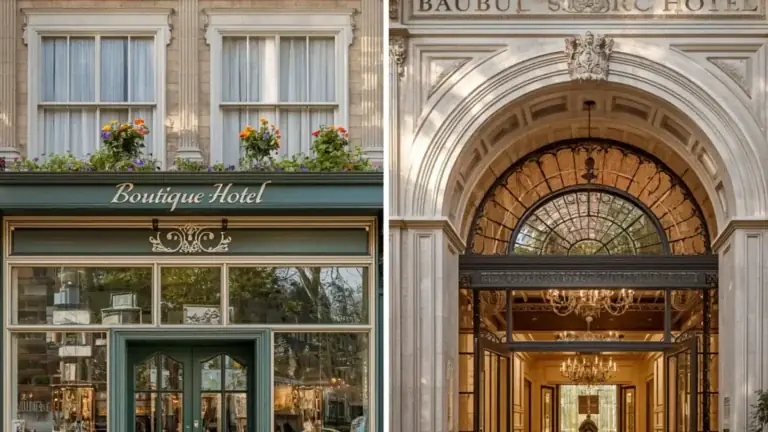
The definition of luxury within high-end hospitality has undergone a structural transformation over the past three decades. Historically, luxury was quantified through physical scale and standardized material luxury: expansive marble lobbies, gilded fixtures, large ballrooms, and rigid, formal service protocols designed to signal prestige. This legacy framework relied on repetition and scale. Top boutique hotel services for luxury stays. Whether a traveler checked into a flagship commercial property in New York, Paris, or Tokyo, the service architecture remained deliberately uniform, offering predictable, highly polished, but inherently transactional hospitality.
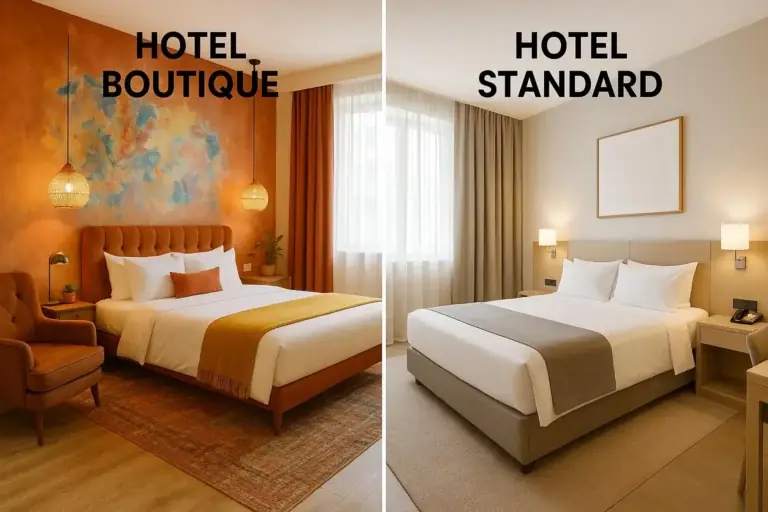
As traveler preferences matured, the limitations of large-scale commercial luxury became clear. High room counts, crowded public areas, and rigid, script-based staff interactions often created operational friction and a sense of detachment. The contemporary luxury consumer increasingly views time, privacy, spatial autonomy, and personal recognition as the true measures of high-end travel. This evolution created the operational foundation for boutique luxury hospitality, a sector defined not merely by lower key counts (typically between 10 and 100 rooms), but by an intentional re-engineering of service delivery.
In a refined boutique environment, service transitions from a reactive, transactional function into an anticipatory, highly contextual practice. Operating within a small physical footprint allows independent hoteliers to eliminate rigid organizational barriers between front-of-house staff, culinary teams, and management. This structural flexibility enables properties to tailor guest experiences with exceptional precision, turning routine service touchpoints into memorable, hyper-personalized moments.
Understanding “top boutique hotel services for luxury stays.”
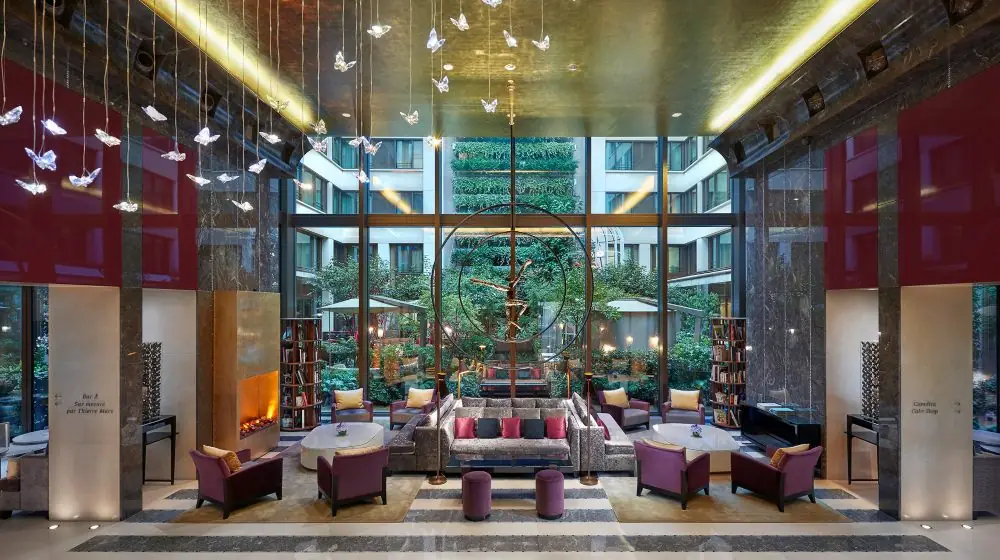
To rigorously analyze the top boutique hotel services for luxury stays, one must look past superficial gestures like welcome champagne or printed greeting cards to evaluate the underlying operational systems that support luxury service delivery. At its core, luxury boutique service is a coordinated operational system engineered to reduce friction, anticipate unstated preferences, and protect guest privacy within an intimate physical setting.
High-quality service delivery across premier boutique properties relies on four structural pillars:
-
Anticipatory Operational Intimacy: Service delivery that recognizes and acts on guest preferences before explicit requests are made, utilizing quiet background intelligence rather than intrusive questioning.
-
Spatial and Temporal Flexibility: Breaking away from rigid hotel schedules, such as fixed breakfast hours or rigid check-in times—to adapt operational workflows entirely to the guest’s personal schedule.
-
Hyper-Localized Cultural Curation: Service extensions that connect guests directly with premier local artisans, culinary experts, and cultural access points that cannot be booked through public platforms.
-
Unobtrusive Privacy Protection: Maintaining high staff attentiveness while ensuring guests enjoy complete physical, visual, and acoustic privacy throughout their stay.
Operational breakdowns occur when properties attempt to deliver bespoke service without establishing the necessary back-of-house infrastructure. A boutique property that promises “personalized butler service” but operates with understaffed shifts inevitably introduces service delays, miscommunicated requests, and intrusive interactions. Conversely, properties that invest in robust guest preference databases, cross-trained staff teams, and seamless communication tools deliver smooth, effortless hospitality.
Evaluating the top boutique hotel services for luxury stays requires examining specific operational benchmarks: guest-to-staff ratios (ideally ranging from 1.5:1 to 3:1 in premier luxury tiers), back-of-house communication channels, staff retention rates, and in-room technology interfaces. Analyzing these factors reveals whether a property’s service model represents a genuinely high-end operation or merely a scaled-down traditional hotel.
Deep Contextual Background: Structural Evolution of High-End Hospitality
The operational architecture of high-end lodging has evolved alongside broader economic, architectural, and cultural shifts over the past century. During the late nineteenth and early twentieth centuries, luxury hospitality was defined by grand European palace hotels. Top boutique hotel services for luxury stays. Properties like the Ritz Paris or the Savoy in London established the original standards of commercial luxury: formal dress codes, multi-layered staff hierarchies (led by traditional concierges and head maitre d’s), and grand public spaces designed for visible social status.
As international commercial aviation expanded in the post-WWII era, standardized global hotel chains emerged to serve growing business and leisure travel markets. These properties brought operational consistency and scale, guaranteeing standard room layouts and familiar amenity offerings across global cities.
However, as these large commercial properties expanded, their service models became increasingly standardized and transactional.
Several key developments over the past thirty years drove the rise of modern boutique luxury hospitality:
-
The Emergence of Design-Led Micro-Hospitality: Pioneers in the late 1970s and 1980s proved that small, architecturally distinct properties could command premium rates by offering unique style and intimate social atmospheres instead of massive convention infrastructure.
-
The Shift toward Experiential and Unobtrusive Luxury: Modern luxury consumers shifted focus away from formal, conspicuous displays toward personal wellness, privacy, authentic regional culture, and time efficiency.
-
Advances in Property Management Technology: Modern cloud-based Property Management Systems (PMS) and Customer Relationship Management (CRM) tools enabled small-footprint properties to record, track, and execute complex guest preferences across global stays without requiring large administrative teams.
-
The Evolution of Localized Culinary and Wellness Culture: High-end travel increasingly centered on access to regional culinary talent, farm-to-table food sourcing, and specialized wellness therapies, positioning boutique hotels as ideal platforms for curated local experiences.
Understanding this systemic evolution clarifies why boutique properties remain at the forefront of modern luxury. By abandoning rigid corporate scripts and massive physical footprints, top boutique hoteliers can focus their resources entirely on spatial quality, service precision, and personalized guest care.
Conceptual Frameworks and Mental Models for Service Evaluation
Evaluating the quality of boutique luxury service requires structured analytical frameworks rather than relying solely on subjective review scores or promotional media. The following mental models provide a systematic method for assessing operational quality, service speed, and overall guest value.
Core Evaluation Frameworks
-
The Invisible Friction Model: Evaluates a property’s ability to identify and eliminate subtle physical, administrative, and cognitive friction points across the guest journey.
-
The Service Intimacy Spectrum: Measures the balance between staff attentiveness and guest privacy, assessing whether service feels natural, absent, or overbearing.
-
The Preference Retention Matrix: Assesses how effectively a property captures, documents, and seamlessly executes guest preferences across multiple departments and repeat visits.
-
The Local Access Index (LAI): Measures the depth and exclusivity of a hotel’s local network, evaluating its ability to arrange unique regional cultural and culinary experiences.
Detailed Framework Breakdown
1. The Invisible Friction Model
Every hotel stay involves operational touchpoints: arrival, luggage transfer, check-in registration, room orientation, dining reservations, billing, and departure. This model tracks time delays, repetitive information requests, and physical inconvenience across these steps. A premier boutique property eliminates friction by completing administrative check-in prior to arrival, offering in-suite registration, and automating billing preferences, leaving the guest free to enjoy their stay.
-
Primary Application: Evaluates urban luxury boutique properties and private island retreats where guests value seamless efficiency.
-
Operational Limit: Requires high back-of-house staff coordination; a single break in communication can reintroduce guest friction.
2. The Service Intimacy Spectrum
Service delivery can easily fail at either extreme: absent service leaves guests feeling neglected, while overly formal, continuous service disrupts privacy. This framework measures a property’s ability to operate in the optimal middle ground—providing attentive, warm, and proactive care while respecting the guest’s personal space.
-
Primary Application: Assesses staff training quality and butler service protocols at high-end retreats.
-
Operational Limit: Highly dependent on individual staff emotional intelligence and cultural awareness.
3. The Preference Retention Matrix
This framework evaluates how a hotel manages guest preference data. A basic property records simple requests, like additional pillows. A world-class boutique property maintains a detailed, secure preference profile: exact room temperature settings, preferred morning coffee roasts, dietary requirements, preferred seating aspects, and preferred newspaper choices. Crucially, these preferences are executed automatically upon arrival without requiring the guest to ask.
-
Primary Application: Measures operational quality for frequent corporate travelers and high-net-worth repeat guests.
-
Operational Limit: Must comply with global data privacy regulations (such as GDPR) regarding the storage of personal guest data.
4. The Local Access Index (LAI)
This model measures a hotel concierge team’s ability to unlock exclusive, non-public experiences. High-scoring properties provide direct access to private art collection viewings, after-hours museum tours, private vineyard tastings with winemakers, and priority reservations at acclaimed local dining rooms.
-
Primary Application: Distinguishes genuine luxury boutique concierges from standard hotel information desks.
-
Operational Limit: Dependent on the strength of local relationships and seasonal availability of regional partners.
Key Service Categories, Operational Variations, and Decision Logic
Categorizing the primary operational domains of boutique luxury service helps travelers and industry buyers evaluate properties based on their specific travel goals.
Luxury Boutique Service Category Comparison Matrix
| Service Category | Primary Operational Components | Key Value Driver | Target Traveler Profile | Operational Complexity & Risk |
| Bespoke In-Suite & Butler Service | Packing/unpacking, private in-suite dining setup, garment care, personalized itinerary management | Complete spatial privacy; zero time lost to administrative logistics | Executives, celebrities, luxury leisure travelers | High reliance on individual butler training; risk of intruding on privacy if uncalibrated |
| Curated Wellness & Hydrotherapy | Tailored spa therapies, in-room wellness kits, private yoga sessions, custom hydrotherapy cycles | Rejuvenation; personalized health programming | Wellness-focused travelers, high-stress professionals | High facility maintenance costs; requires certified, licensed wellness staff |
| Hyper-Localized Culinary Operations | On-demand dining, private chef tables, market-to-table sourcing, custom wine pairings | Authentic regional culinary immersion; dining exclusivity | Culinary enthusiasts, wine collectors, leisure travelers | Complex supply-chain management; high fresh ingredient waste if unmanaged |
| Private Transit & Mobility Logistics | Dedicated house car fleets, private airport transfers, charter bookings, custom luggage shipping | Smooth, stress-free door-to-door transportation | High-net-worth travelers, tight-schedule business executives | Vehicle maintenance costs; driver scheduling and local traffic liabilities |
| VIP Cultural Access & Concierge | Private after-hours tours, exclusive event access, personalized regional excursions | Unique experiences; privileged local access | Cultural travelers, curiosity-driven luxury guests | Dependent on third-party reliability; high risk of guest disappointment if access fails |
Strategic Decision Logic for Property Selection
When selecting a luxury boutique property based on its service profile, use this step-by-step evaluation sequence:
-
Identify Primary Travel Objectives:
-
Rest and Privacy Focus: Prioritize properties offering dedicated Bespoke In-Suite & Butler Service and Curated Wellness Infrastructure, featuring low key counts (under 30 rooms) and private villa layouts.
-
Cultural and Culinary Exploration: Focus on properties with high Local Access Index ratings, active on-site culinary programs, and central urban positioning.
-
-
Evaluate Operational Ratios and Staffing:
-
Verify the guest-to-staff ratio (minimum 1.5:1 for true luxury execution).
-
Confirm whether the property offers 24-hour dedicated concierge and in-suite dining services rather than outsourced or limited-hour operations.
-
-
Assess Property Technology Integration:
-
Ensure the hotel uses intuitive guest communication tools (such as direct messaging with host teams) and smart room controls that operate without complex tablet menus.
-
Detailed Real-World Execution Scenarios
The High-Privacy Coastal Retreat (Amalfi Coast, Italy)
-
Context: A high-profile couple books a five-night stay at a 20-key cliffside boutique hotel to unwind away from public scrutiny.
-
Constraints: High privacy requirements; steep cliffside terrain complicating room service and luggage transport; need for flexible dining options away from crowded public venues.
-
Service Execution: The property assigns a dedicated host team to the suite. Arrival check-in is completed in-suite via digital tablet. The team coordinates private cliffside dining on the suite’s private terrace, featuring daily seafood selections sourced directly from local fishermen. Luggage and transit logistics utilize discreet electric lift systems hidden within the cliffside structure.
-
Operational Outcome: The couple experiences total visual and physical privacy while enjoying fine dining and spa services within their personal suite footprint.
The High-Velocity Executive Stay (Tokyo, Japan)
-
Context: A tech venture founder visits Tokyo for three days of back-to-back investor presentations in the Marunouchi district.
-
Constraints: Tight daily schedule; significant jet lag; requirement for early-morning document printing, garment pressing, and late-night quiet work environments.
-
Service Execution: The 40-key urban boutique hotel arranges seamless private airport transfers with onboard Wi-Fi, allowing work to continue during transit. The guest room features a dedicated executive desk with multi-region power access, high-speed fiber internet, and acoustic triple-pane glazing. The 24-hour butler team handles express garment pressing within 45 minutes and coordinates early-morning breakfast delivery matched to the founder’s changing schedule.
-
Operational Outcome: Administrative friction is eliminated, allowing the executive to focus entirely on pitch meetings and remote team communications.
The Curated Regional Culinary Escape (Oaxaca, Mexico)
-
Context: A culinary enthusiast couple plans a four-night trip focused on indigenous gastronomy, artisanal mezcal production, and local crafts.
-
Constraints: Unfamiliarity with regional dialect and local transit; strong desire for authentic cultural access without joining mass tour groups.
-
Service Execution: The 12-room restored historic estate connects the couple with its lead culinary team.
-
Operational Outcome: The guests enjoy an authentic, deeply immersive culinary journey that would be impossible to arrange independently through public travel channels.
Planning, Cost, and Resource Dynamics
Delivering high-touch, bespoke boutique services requires significant operational expenditure, highly trained staff, and carefully managed physical infrastructure.
Direct vs. Indirect Expenditure Variables
-
Direct Costs: Nightly room rates, dedicated butler service surcharges, private dining menu fees, specialized spa treatment costs, and private transport fees.
-
Indirect Overhead Liabilities: Staff training and retention programs, advanced property management technology licenses, specialized fresh food sourcing, utility costs for heated pools and spas, and insurance coverage for high-value guest services.
Luxury Service Allocation & Investment Dynamic Matrix
| Service Tier | Published Nightly Rate Baseline | Core Included Service Infrastructure | Additional Paid Service Options | Optimal Booking Lead Time |
| High-Tier Luxury Boutique | $600 – $1,200 / night | Cooked-to-order breakfast, high-speed Wi-Fi, local house car transfers, 24/7 concierge, turndown service | Airport transfers, specialized spa treatments, private dining setups | 2 to 4 months in advance |
| Premium Bespoke Sanctuary | $1,200 – $2,800 / night | Dedicated suite host/butler, complimentary unpacking/pressing, in-suite bar replenishment, private wellness classes | Private chef dining, chartered boat/car excursions, custom event hosting | 3 to 6 months in advance |
| Ultra-Exclusive Private Estate | $2,800 – $7,500+ / night | Full estate team (private chef, dedicated butler team, spa therapist, private security driver), tailored menus | Helicopter charters, private island access, custom cultural programming | 6 to 12 months in advance |
Tools, Strategies, and Support Systems
Executing seamless luxury service relies on combining modern management software, curated advisor networks, and structured guest communication channels.
Essential Operational Tools and Advisory Networks
-
Boutique Hotel Consortia: Professional networks like Relais & Châteaux, The Leading Hotels of the World, Small Luxury Hotels of the World, and Design Hotels enforce strict physical and service quality audits for member properties.
-
Luxury Travel Advisory Platforms: Working with accredited advisors (such as Virtuoso or Preferred Travel networks) unlocks value-added service amenities: complimentary room upgrades, daily breakfast, property credits ($100+), and flexible check-in/check-out terms.
-
Modern Preference Management CRM Software: Systems like LeadingReach, ALICE, or Revinate record, organize, and share guest preferences across hotel departments in real time.
-
Direct Guest Communication Applications: Platforms that enable secure, direct messaging between guests and their host team via mobile messaging apps, eliminating the need to call front desks for simple requests.
Tactical Implementation Guidelines for Travelers
-
Complete Detailed Pre-Arrival Questionnaires: Share detailed preference information—including dietary needs, preferred room temperatures, pillow types, and preferred beverage choices—with the hotel team 7 to 10 days before arrival.
-
Engage directly with the Concierge Early: Contact the head concierge weeks ahead of travel to arrange hard-to-book dining reservations, private guides, and exclusive local access.
-
Utilize In-Suite Check-In: Request in-suite registration to skip front-desk administrative steps and transition immediately into a relaxed stay environment.
Risk Landscape and Failure Modes
Attempts by boutique properties to offer complex luxury services can run into operational issues if back-of-house systems or staff training fall short.
Key Risk Categories
1. The Understaffed Service Breakdown
Occurs when a property markets high-touch personalized service but operates with insufficient staffing levels during peak occupancy.
-
Impact: Delays in room service delivery, slow luggage handling, unassigned butler requests, and guest frustration.
-
Mitigation: Verify property guest-to-staff ratios and review recent guest feedback regarding service speed before booking.
2. The Uncalibrated Intrusive Staff Interaction
Occurs when hotel staff, eager to provide attentive service, repeatedly interrupt guests with unnecessary questions or unannounced room visits.
-
Impact: Loss of privacy, disrupted relaxation, and an uncomfortable guest experience.
-
Mitigation: Communicate desired privacy levels clearly to the lead host or front-desk manager upon arrival.
3. The Local Partner Failure
Occurs when a hotel relies on unvetted third-party local partners for private transport, tours, or excursions that fail to match the hotel’s luxury standards.
-
Impact: Unsafe vehicles, late transfers, poor tour guides, and damaged guest trust.
-
Mitigation: Ensure the hotel takes direct operational responsibility for all recommended and booked third-party services.
Governance, Maintenance, and Long-Term Adaptation
Maintaining exceptional service standards requires continuous staff training, regular system updates, and proactive adaptation to changing traveler preferences.
Quality Management Review Cycle
-
Daily Back-of-House Operational Briefings: Review incoming guest preference profiles, special requests, and daily service schedules across all hotel departments.
-
Monthly Guest Experience Audits: Evaluate guest feedback, preference execution accuracy, and service delivery speeds to identify areas for operational improvement.
-
Annual Staff Training and Refresher Programs: Conduct comprehensive hospitality training in service etiquette, crisis management, cultural awareness, and guest privacy standards.
Measurement, Tracking, and Evaluation
Assessing whether a boutique property delivers exceptional luxury service involves tracking specific operational metrics and qualitative feedback.
Key Performance Indicators
-
Leading Indicators: Guest-to-staff ratios, average preference profile execution completion rates, staff turnover rates, and pre-arrival communication response times.
-
Lagging Indicators: Net Promoter Scores (NPS), repeat guest reservation percentages, online review ratings for service quality, and average daily rate (ADR) growth.
Common Misconceptions and Oversimplifications
- Myth 1: “Formal, Scripted Service Defines Luxury Hospitality”
-
Correction: Modern luxury favors warm, authentic, and adaptive hospitality over rigid corporate scripts. True excellence lies in adjusting service style to match each guest’s personality and mood.
- Myth 2: “Fewer Amenities Mean Lower Service Quality”
-
Correction: Boutique properties deliberately choose not to offer massive commercial amenities (like large convention spaces) to focus their resources entirely on delivering world-class in-room comfort, exceptional dining, and personalized care.
- Myth 3: “Butler Service Is an Outdated Practice”
-
Correction: Modern butler service has evolved from formal domestic service into an efficient, personal hosting role—managing logistics, packing, private dining, and itinerary arrangements so guests can enjoy a stress-free stay.
Ethical, Practical, and Regulatory Considerations
Responsible luxury hospitality practices are essential for long-term operational success.
-
Fair Labor Standards: Delivering exceptional service relies on maintaining a well-compensated, respected workforce. Top boutique hoteliers invest in competitive wages, ongoing training, and healthy work environments to retain top talent.
-
Environmental Sustainability: High-end boutique properties lead in eco-friendly operations: eliminating single-use plastics, using energy-efficient heat pumps, conserving water in dry regions, and sourcing organic ingredients from nearby farms.
-
Cultural Respect and Community Integration: Premier boutique hotels support local communities by hiring regional talent, showcasing local artisans, and preserving regional architectural heritage.
Conclusion
Navigating the top boutique hotel services for luxury stays requires evaluating properties based on operational precision, spatial design, preference management, and authentic local connection.
By prioritizing properties with low key counts, high staff-to-guest ratios, intuitive technology, and dedicated host teams, travelers can experience hospitality that respects their time, protects their privacy, and delivers meaningful, restorative travel moments.
Ultimately, world-class boutique service is not defined by grand displays of material wealth, but by the quiet, thoughtful care with which every guest interaction is designed and executed. When operational precision meets genuine human warmth, a boutique hotel stay becomes a deeply satisfying, memorable luxury experience.