Top Boutique Hotel Options for Wellness Retreats: Strategic Guide
The global luxury hospitality landscape is undergoing an irreversible structural pivot. For decades, high-end accommodation operated under a paradigm of passive opulence, spatial extravagance, and indulgence. Modern consumers, however, are increasingly viewing travel not as an escape from reality through physical comfort, but as an opportunity for functional restoration, clinical preventive intervention, and cognitive recalibration. As chronic stress, autonomic nervous system dysregulation, and metabolic exhaustion become pervasive in high-performance environments, the destination resort model traditionally anchored by expansive spas appended to large guest-room footprints is demonstrating clear operational limits.
In its place, boutique wellness properties have emerged as the premier delivery vehicle for serious restorative interventions. Navigating the landscape of top boutique hotel options for wellness retreats requires looking far beyond aesthetic minimalism, superficial holistic jargon, and standard massage menus. An authentic boutique wellness property is not merely a small hotel with an attached spa; it is a highly integrated operational environment where building physics, therapeutic depth, metabolic architecture, and human practitioner ratios converge to achieve explicit, measurable biological outcomes.
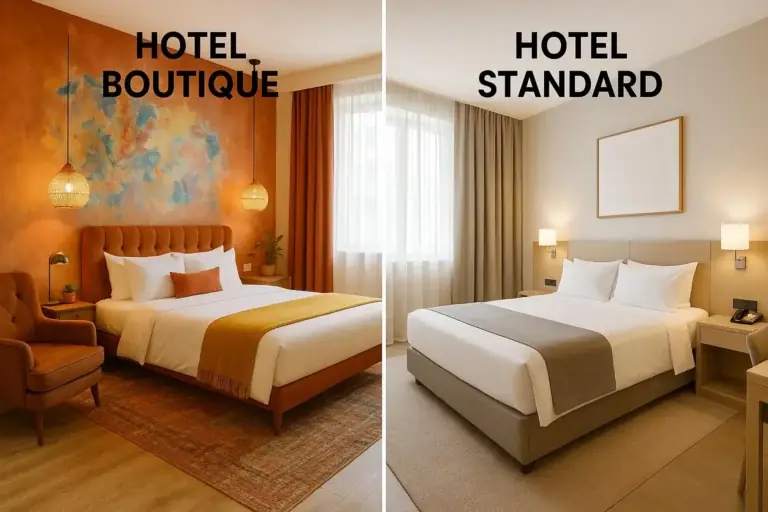
Unlike large luxury resorts that dilute their focus by attempting to cater simultaneously to convention travelers, families, leisure tourists, and spa guests, dedicated boutique retreat centers operate within strictly bounded parameters. By maintaining restricted room inventories—typically under sixty keys—and enforcing dedicated wellness programming, these properties protect their spatial, acoustic, and psychological environments. This structural constraint allows operators to deploy low-ratio practitioner models and maintain micro-environmental control across all guest touchpoints, establishing the foundation required for genuine biological transformation.
Understanding “Top boutique hotel options for wellness retreats.”
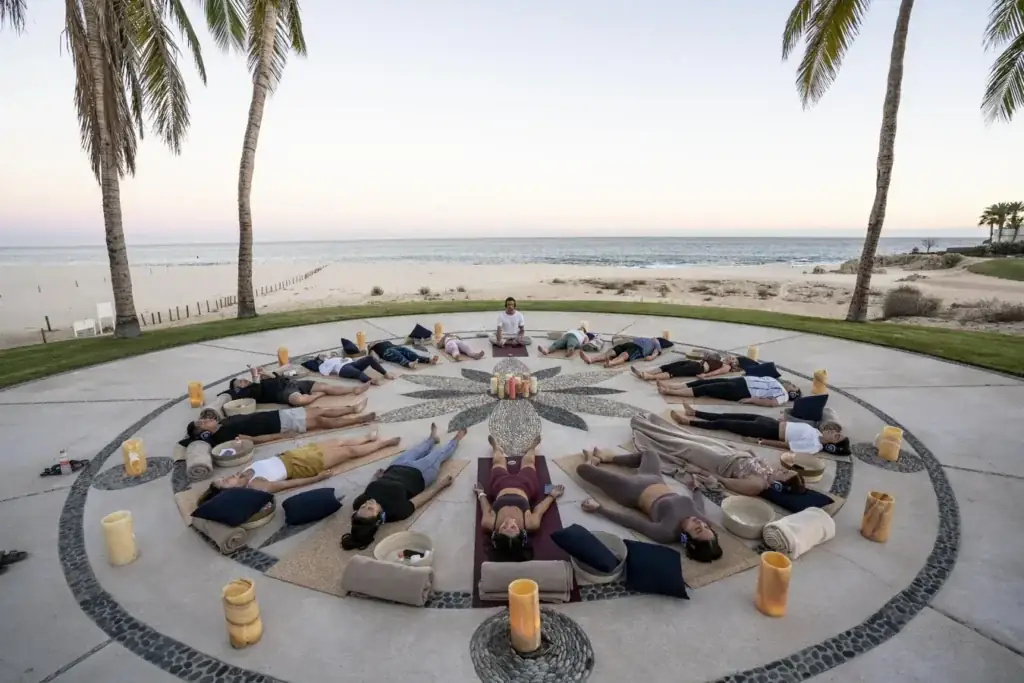
Evaluating top boutique hotel options for wellness retreats demands a rigorous multi-perspective framework that separates cosmetic hospitality from true clinical and therapeutic depth. Within industry discourse, the term “boutique” is frequently co-opted to describe any small property with neutral interior design, essential oil diffusers, and an elevated a la carte spa menu. In an analytical context, however, a property qualifies as a top-tier boutique wellness retreat only when its operational model satisfies four foundational conditions:
-
Restricted Spatial and Occupancy Scale: Total inventory rarely exceeds 15 to 60 keys. This spatial boundary protects the property’s acoustic landscape, reduces visual stimulation, and prevents the social crowding that triggers low-grade threat detection in the human autonomic nervous system.
-
Elevated Practitioner-to-Guest Ratios: Staffing structures prioritize credentialed clinical, movement, and somatic specialists over generic service personnel. High-performing retreats regularly maintain ratios between 2:1 and 4:1 specialist staff per guest.
-
Bio-Individualized Program Architecture: Interventions are not selected arbitrarily from a static menu upon arrival. Instead, daily schedules, dietary macronutrients, and therapeutic modalities are engineered directly around objective diagnostic baselines.
-
Controlled Micro-Environments: Environmental factors—including air turnover rates, water filtration, lighting spectrums, and bed mechanics—are managed as active therapeutic inputs rather than passive room amenities.
Core Operational Pillars of a Boutique Wellness Ecosystem
-
Low Key Count: Maximum 15–60 rooms to protect space, quietude, and acoustics.
-
High Staff Ratio: 2:1 to 4:1 specialist-to-guest headcount for close guidance.
-
Bio-Individualization: Protocols tailored directly to diagnostic baselines.
-
Controlled Microclimate: Acoustic isolation, filtered air and water, and circadian light management.
A core point of confusion among consumers and travel planners is mistaking guest autonomy for operational excellence. Standard luxury resorts prioritize frictionless autonomy: the guest decides when to sleep, what to eat, when to consume alcohol, and whether to schedule an isolated facial or massage. Dedicated boutique wellness retreats intentionally limit friction-free indulgence in favor of structured restorative pathways. At properties like Lanserhof Tegernsee or Chenot Palace Weggis, daily schedules, metabolic caloric boundaries, and hydrotherapy sequences are strictly enforced because their biological mechanisms depend on sequence, duration, and physiological load.
Oversimplifying these properties creates significant risk for guests seeking targeted biological outcomes. Treating all wellness retreats as interchangeable leads to misalignments—such as an executive with severe, hyper-cortisolemic burnout booking an intensive movement or high-altitude conditioning retreat, which inadvertently exacerbates neuro-endocrine exhaustion. True evaluation requires categorizing properties by their primary operational orientation, ranging from medical cellular detoxification and metabolic resetting to somatic nervous system recovery and classical Ayurvedic medicine.
Deep Contextual Background
The emergence of modern boutique wellness retreats is the result of a long historical evolution at the intersection of medicine, architecture, and hospitality. Understanding this trajectory helps clarify why contemporary travelers are moving away from traditional resort spas and toward highly specialized, low-density facilities.
Historical Evolution of Wellness Retreats
-
Phase 1: Sanatoria & Mineral Baths (Late 19th–Mid 20th Century) Focus: Air quality, thermal waters, and passive rest for respiratory and joint health.
-
Phase 2: Destination Pampering Spas (1970s–1990s) Focus: Aesthetic skincare, stress reduction, and calorie-restricted diets.
-
Phase 3: Integrative & Scientific Wellness (2000s–Present) Focus: Longevity, diagnostics, epigenetics, and custom stress management.
1. Thermal Baths and Sanatoria
The structural precedent for modern boutique wellness retreats was established in 19th-century European thermal towns and sanatoria. Locations such as Baden-Baden, Bad Gastein, and Fiuggi were built around natural mineral springs, mountain air, and isolation from urban industrial pollution. These early facilities operated on a simple biological premise: removing the patient from environmental stressors, controlling their nutrition, and enforcing mineral water immersion created the baseline conditions required for natural tissue repair and immune recovery.
2. Destination Spas of the Late 20th Century
During the 1970s and 1980s, the concept transformed into the commercial “destination spa,” particularly in North America and Southeast Asia. While these properties successfully introduced mindfulness, fitness, and plant-forward nutrition to a broader market, their business models relied heavily on scaling room counts to maximize profit margins. As these properties grew to 150–300 rooms, their shared spaces became increasingly crowded, personalized service diluted into standardized group classes, and the background noise of large-scale resort operations compromised the quiet environment necessary for nervous system recovery.
3. The Contemporary Integrative Boutique Era
The current era began in the early 2000s, driven by advancements in functional medicine, epigenetic science, and real-time biometric tracking. Today’s elite travelers face distinct health challenges: chronic systemic inflammation, autonomic nervous system dysregulation, compromised sleep architecture, and metabolic dysfunction. Modern guests do not attend retreats merely for surface relaxation; they seek measurable improvements in cellular health, biological age markers, and cognitive clarity. Top boutique hotel options for wellness retreats address these complex demands by pairing restricted key counts with advanced diagnostic tools, clinical oversight, and micro-environment management.
Conceptual Frameworks and Mental Models
To systematically evaluate boutique wellness properties, hospitality analysts and prospective guests can use three primary analytical frameworks.
The Allostatic Load Reduction Model
Allostatic load refers to the cumulative physiological wear and tear on the human body caused by chronic exposure to fluctuating or heightened neural or neuroendocrine responses. A high-performing boutique retreat functions primarily as a calibrated system for reducing this allostatic burden.
Lowering environmental stressors (noise, artificial light, urban density), metabolic stressors (inflammatory foods, glycemic instability), and psychological stress allows the body to maximize active somatic recovery inputs (contrast hydrotherapy, deep sleep, targeted movement). A top boutique property engineered for allostatic reduction systematically minimizes all three stress vectors while maximizing somatic recovery inputs.
-
Operational Advantage: Allows properties to measure success by improvements in autonomic markers—such as elevated Heart Rate Variability (HRV) and reduced resting heart rate—rather than subjective guest satisfaction scores alone.
-
Model Limitation: Reducing allostatic load during a 7-day stay yields temporary biometric improvements if the guest returns to a high-stress lifestyle without introducing sustainable home habits.
The Triad of Integrated Systems
This framework measures a property’s operational integration across three functional pillars:
-
The Built Environment: Acoustic engineering, non-toxic building materials, air filtration (HEPA/MERV 13+), and circadian lighting design.
-
Clinical and Somatic Protocols: Evidence-based therapies, diagnostic baseline mapping, and credentialed practitioner oversight.
-
Metabolic and Culinary Architecture: Nutrient-dense, anti-inflammatory gastronomy tailored to individual diagnostic profiles.
-
Operational Advantage: Identifies weak links in property design. Exceptional medical treatments delivered within a poorly soundproofed building with high-glycemic dining options fail to achieve optimal therapeutic outcomes.
-
Model Limitation: Achieving high integration across all three pillars requires significant capital expenditure and cross-departmental coordination, which increases baseline room rates.
The Intimacy-Capability Curve
This model balances room count against diagnostic and clinical capability:
-
Micro-Scale (10–25 Keys): High privacy, near-zero crowd interference, and personalized care, but restricted capital for heavy diagnostic technology like hyperbaric oxygen chambers or DEXA scanners.
-
Mid-Scale Boutique (26–60 Keys): The ideal operating zone for complex medical retreats. Provides sufficient revenue to support multi-disciplinary medical teams, laboratory infrastructure, and advanced hydrotherapy suites while preserving quiet environments and direct practitioner-guest interaction.
-
Macro-Resort (61+ Keys): Enables extensive diagnostic facilities but compromises spatial quiet, personalized attention, and micro-environment control.
Key Categories and Operational Variations
Boutique wellness retreats are not uniform; they operate across distinct operational models tailored to specific biological and psychological outcomes.
1. Longevity and Medical Biohacking Clinics
-
Core Philosophy: Applying Western diagnostics, cellular medicine, biohacking technologies, and metabolic protocols to optimize biological age and extend healthspan.
-
Key Interventions: Full-body DEXA scans, epigenetic telomere testing, IV nutrient infusions, whole-body cryotherapy (-110°C), hyperbaric oxygen therapy (HBOT), and intermittent hypoxic-hyperoxic training (IHHT).
-
Operational Characteristics: Highly structured daily schedules, clinical aesthetic, medical doctor oversight, low-calorie or cellular-autophagy meal plans.
-
Representative Properties: SHA Wellness Clinic (Spain/Mexico), Clinique La Prairie (Switzerland), Chenot Palace Weggis (Switzerland).
2. Traditional Medical Systems (Ayurveda & TCM)
-
Core Philosophy: Treating root causes of physiological imbalance through ancient diagnostic frameworks (constitutional profiling, pulse reading) refined over centuries.
-
Key Interventions: Panchakarma detoxification protocols, warm herbal oil treatments (Shirodhara, Abhyanga), targeted herbal formulations, acupuncture, and Ayurvedic dietary management.
-
Operational Characteristics: Long minimum stay requirements (10 to 21 days), gentle pacing, warm microclimates, and strong focus on digestive health.
-
Representative Properties: Ananda in the Himalayas (India), Kamalaya Koh Samui (Thailand), Santani Wellness Resort (Sri Lanka).
3. Somatic, Nervous System, and Burnout Sanctuaries
-
Core Philosophy: Down-regulating hyperactive sympathetic nervous system states, repairing adrenal exhaustion, and restoring healthy emotional regulation.
-
Key Interventions: Vagus nerve stimulation, trauma-informed breathwork, biofeedback training, sensory deprivation, sound therapy, and acoustic isolation.
-
Operational Characteristics: Quiet spaces, low visual clutter, digital detox policies, gentle daily movement, and compassionate, low-demand hospitality.
-
Representative Properties: JOALI BEING (Maldives), Preidlhof Luxury DolceVita Resort (Italy), Euphoria Retreat (Greece).
4. Intensive Movement and Physical Conditioning Outposts
-
Core Philosophy: Using high-volume low-intensity physical activity, caloric control, and natural terrain to improve cardiovascular capacity, burn fat, and build mental resilience.
-
Key Interventions: 4–5-hour morning endurance hikes, functional strength training, daily deep-tissue recovery bodywork, and low-calorie organic plant-based diets.
-
Operational Characteristics: Highly regimented group dynamics, strict bans on caffeine/alcohol/processed sugar, minimal downtime, and physically demanding schedules.
-
Representative Properties: The Ranch Malibu (USA), Aro Hā (New Zealand).
5. Hydrothermal and Thermal Mineral Sanctuaries
-
Core Philosophy: Utilizing natural geothermal waters, contrast temperature exposure, and mineral immersion to improve circulation, relieve joint pain, and stimulate cellular repair.
-
Key Interventions: Thermal bathing, thermal mud wraps, contrast plunges, Kneipp hydro-circuits, and respiratory steam inhalation.
-
Operational Characteristics: Built around natural thermal springs, passive relaxation schedules, gentle hydrotherapy protocols, and open-air bathing facilities.
-
Representative Properties: The Retreat at Blue Lagoon (Iceland), Terme di Saturnia (Italy), Badischer Hof (Germany).
Boutique Wellness Category Comparison
| Property Category | Core Operational Advantage | Primary Trade-Off | Ideal Duration | Typical Key Count |
| Longevity & Medical | Advanced diagnostics; cellular precision; quantifiable data. | Higher cost; clinical atmosphere; strict meal schedules. | 7 – 14 Days | 30 – 60 Keys |
| Traditional Systems | Root-cause focus; constitutional digestive balance. | Requires long stays; strict protocol compliance. | 10 – 21 Days | 20 – 75 Keys |
| Somatic / Burnout | Rapid nervous system down-regulation; deep rest. | Less focus on quantitative lab diagnostics. | 5 – 10 Days | 15 – 45 Keys |
| Movement / Fitness | Rapid body recomposition; physical conditioning. | Physically demanding; high soreness; minimal downtime. | 7 Days | 15 – 30 Keys |
| Hydrothermal Springs | Deep joint/vascular relief; low physical exertion. | Less structured lifestyle/behavior change. | 3 – 7 Days | 25 – 80 Keys |
Detailed Real-World Scenarios
Selecting among top boutique hotel options for wellness retreats requires evaluating an individual’s physiological state, daily habits, and primary goals. The following scenarios illustrate how different baseline conditions dictate property selection:
Severe Executive Burnout with Hyper-Cortisolemia
-
Guest Baseline: A senior corporate officer exhibits chronic insomnia, high resting heart rate, suppressed HRV (<25 ms), elevated morning cortisol, and cognitive brain fog.
-
Property Selection: A low-key, somatic and Nervous System Sanctuary (e.g., JOALI BEING or Preidlhof).
-
Intervention Plan:
-
Complete digital detox with no screen access in communal areas.
-
Daily vagus nerve stimulation, gentle craniosacral bodywork, and flotation therapy.
-
Circadian lighting management and custom adaptogenic supplementation.
-
-
Critical Failure Mode: Booking an intensive fitness retreat (like The Ranch Malibu). High physical stress in a hyper-cortisolemic state causes adrenal strain, worsening sleep architecture and cognitive fatigue.
-
Second-Order Outcome: Gradual down-regulation of sympathetic tone allows deep delta sleep to return by day 4, restoring cognitive clarity and baseline HRV.
Metabolic Dysfunction, Systemic Inflammation, and Visceral Weight
-
Guest Baseline: A mid-40s professional presents with elevated fasting glucose, systemic joint stiffness, low energy, and poor digestion.
-
Property Selection: An Integrative Medical Longevity Clinic (e.g., Chenot Palace Weggis or SHA Wellness Clinic).
-
Intervention Plan:
-
Baseline DEXA scan, blood biomarker panel, and continuous glucose monitoring (CGM).
-
Caloric restriction or targeted plant-forward, low-glycemic dining designed to trigger cellular autophagy.
-
Hydro-aromatherapy circuits, whole-body cryotherapy, and light lymphatic drainage work.
-
-
Critical Failure Mode: Selecting an unstructured luxury spa resort where rich dining and free-flowing alcohol disrupt gut flora repair.
-
Second-Order Outcome: Significant reduction in systemic inflammatory markers (hs-CRP), improved insulin sensitivity, and established baseline data for post-retreat follow-up.
Musculoskeletal Stiffening and Movement Loss in Mid-Life
-
Guest Baseline: A 50-year-old active individual experiences reduced joint mobility, muscle tightness, postural imbalances, and recurring lower back pain.
-
Property Selection: A Traditional Ayurvedic Medical Sanctuary (e.g., Ananda in the Himalayas) or an Intensive Conditioning Outpost.
-
Intervention Plan:
-
Comprehensive physical alignment assessments and posture analysis.
-
Daily warm oil joint therapy (Kati Vasti), localized herbal heat packs, and targeted mobility work.
-
Tailored anti-inflammatory herbal formulations and guided low-impact movement sessions.
-
-
Critical Failure Mode: Selecting a passive hydrothermal resort that offers warm bathing but lacks structured movement coaching or postural correction.
-
Second-Order Outcome: Restoration of hip and spinal mobility, reduced joint inflammation, and improved movement habits for daily life.
Planning, Cost, and Resource Dynamics
Securing meaningful outcomes at top boutique hotel options for wellness retreats requires evaluating all financial investments, stay durations, and opportunity costs. Boutique options carry high price points that reflect their low key counts, specialized infrastructure, and high practitioner-to-guest ratios.
-
All-Inclusive Program Rates: Premium medical and longevity retreats generally bundle lodging, diagnostic lab work, specialized dining, and daily treatments into standard package pricing.
-
A La Carte Diagnostic Add-ons: Advanced genetic sequencing, full-body MRI scans, or specialty IV therapies often incur additional charges beyond baseline package costs.
-
Travel and Transit Logistics: Properties located in remote, serene environments (e.g., the Himalayan foothills, private Maldivian islands, or rural Swiss Alps) require additional transit planning, helicopter transfers, or private land transportation.
| Budget Tier | Typical All-Inclusive Daily Rate | Included Diagnostic Scope | Typical Therapeutic Volume |
| Entry-Level Boutique | $600 – $1,200 / night | Basic consultation, body composition analysis. | 1 to 2 basic bodywork or movement sessions daily. |
| Mid-Tier Integrative | $1,250 – $2,500 / night | Advanced blood panels, HRV analysis, baseline metabolic assessments. | 2 to 4 targeted clinical or hydrotherapy treatments daily. |
| Ultra-Luxury Medical | $2,600 – $6,000+ / night | Full genomic panels, DEXA scans, biological age testing, cellular diagnostics. | 4 to 6 specialized clinical, biohacking, and physician-led treatments daily. |
Tools, Strategies, and Support Systems
High-performing boutique wellness retreats rely on specialized tools and operational strategies to deliver consistent outcomes:
-
Diagnostic Suites: On-site blood testing labs, DEXA scanners, biological age testing, continuous glucose monitoring (CGM) kits, and VO2 max testing setups.
-
Environmental Micro-Controls: Guest suites equipped with medical-grade HEPA air filtration, multi-stage water purification, circadian lighting, and high-density acoustic insulation.
-
Hydrothermal Infrastructure: Contrast hydrotherapy circuits featuring temperature-controlled cold plunges (4–10°C), infrared saunas, steam rooms, and geothermal pools.
-
Restorative Culinary Labs: Kitchens designed to eliminate refined sugars, industrial seed oils, and common allergens, replacing them with anti-inflammatory, organic ingredients tailored to guest diagnostic profiles.
-
Biohacking Modalities: Whole-body cryotherapy chambers, hyperbaric oxygen chambers, intermittent hypoxic training units, and red-light therapy arrays.
-
Post-Stay Telehealth Portals: Digital platforms that connect guests with retreat physicians, nutritionists, and somatic coaches to support ongoing habit retention after check-out.
Risk Landscape and Failure Modes
Retreat experiences carry operational, physical, and psychological risks if improperly planned or executed.
Retreat Failure Mode Taxonomy
-
Diagnostic Overreach and Anxiety: Administering non-validated medical tests that generate confusing or concerning health metrics without adequate clinical interpretation, creating health-related anxiety rather than peace of mind.
-
The Rebound Strain Effect: Transitioning immediately from a low-stress, highly supportive retreat environment back into an intense professional workload, triggering acute physiological stress spikes.
-
Severe Detox (Herxheimer) Reactions: Rapid dietary changes or intense clearing protocols mobilizing toxins faster than the liver and kidneys can process them, leading to severe headaches, nausea, joint pain, and fatigue during early days.
-
Kitchen and Clinical Disconnect: Failure in internal communication where culinary teams serve dishes containing ingredients restricted by a guest’s medical consultation, compromising diagnostic progress.
Governance, Maintenance, and Long-Term Adaptation
Sustaining health improvements after leaving top boutique hotel options for wellness retreats requires a structured transition plan. The weeks following a stay are critical for turning short-term physiological resetting into lasting habit change.
Home Transition Protocol
-
Week 1 (Circadian and Environmental Guardrails):
-
Maintain the sleep-wake schedule established during the retreat.
-
Keep black-out curtains and cool room temperatures (16–19°C) in the home bedroom.
-
Avoid screen access for at least 60 minutes after waking and 90 minutes before bed.
-
-
Week 2 (Metabolic Continuity):
-
Continue avoiding industrial seed oils, refined sugars, and ultra-processed foods.
-
Maintain the hydration standards and herbal supplementation routines prescribed by retreat physicians.
-
-
Week 3 (Workload Reintroduction):
-
Reintroduce professional tasks gradually using structured time-blocking to protect rest windows.
-
Incorporate 15 to 20 minutes of daily low-intensity movement or breathwork to preserve nervous system balance.
-
-
Month 2 – 3 (Biometric Review):
-
Schedule a follow-up telehealth call with retreat physicians or a local functional medicine practitioner.
-
Re-evaluate baseline biomarkers (HRV, resting heart rate, sleep quality scores) to measure ongoing progress.
-
Measurement, Tracking, and Evaluation
Assessing whether a boutique wellness stay yields genuine return on investment requires evaluating both quantitative metrics and qualitative lifestyle indicators.
Wellness Metrics Assessment Matrix
-
Quantitative (Leading Metrics): Heart Rate Variability (HRV), Resting Heart Rate (RHR), Deep Sleep Percentage.
-
Quantitative (Lagging Metrics): HbA1c, Fasting Blood Glucose, Lipid Panels, Inflammatory Markers (hs-CRP).
-
Qualitative (Leading Metrics): Subjective daily energy levels, mental focus, digestive comfort.
-
Qualitative (Lagging Metrics): Sustained emotional stability, long-term stress resilience.
1. Quantitative Metrics
-
Leading Indicators (Real-Time Biometrics): Heart Rate Variability (HRV), resting heart rate (RHR), sleep onset latency, and deep/REM sleep percentages recorded via wearable sensors.
-
Lagging Indicators (Clinical Biomarkers): Fasting blood glucose, HbA1c, high-sensitivity C-reactive protein (hs-CRP), lipid profiles, and biological age algorithms measured through follow-up lab work.
2. Qualitative Indicators
-
Leading Signals: Subjective energy upon waking, digestive comfort, daily focus, and physical ease during movement.
-
Lagging Signals: Long-term emotional resilience under pressure, reduced seasonal illness frequency, and consistent sleep quality over 3 to 6 months.
Common Misconceptions and Oversimplifications
When evaluating top boutique hotel options for wellness retreats, several common myths can cloud judgment and lead to mismatched property selections:
-
Myth 1: Higher nightly rates guarantee better health outcomes.
Correction: Premium pricing often reflects high-end interior finishes, oceanfront locations, or Michelin-starred culinary teams rather than medical rigor or effective therapeutic programming. -
Myth 2: A 3-day weekend stay is enough for a complete physiological reset.
Correction: While short stays provide temporary relief from work stress, reversing chronic inflammation or metabolic dysregulation generally requires 7 to 14 days of sustained intervention. -
Myth 3: Intensive, restrictive detox programs are necessary for physical health.
Correction: Extreme liquid fasting or aggressive purges can spike cortisol levels and strain digestive tissues. Effective retreats support natural organ detoxification through balanced, nutrient-dense nutrition. -
Myth 4: Small boutique properties automatically offer complete privacy.
Correction: Low key counts only deliver privacy if supported by thoughtful architectural layouts, acoustic isolation, and dedicated personal spaces. -
Myth 5: High-tech biohacking tools can replace foundational lifestyle habits.
Correction: Advanced therapies like cryotherapy chambers and IV drips cannot offset chronic sleep deprivation, poor diet, or unmanaged stress. Biohacking modalities work best when built on solid health foundations.
Ethical, Practical, and Contextual Considerations
The expansion of the luxury wellness hospitality sector introduces important operational and ethical responsibilities:
-
Medical Scope Boundaries: Properties must maintain clear boundaries between wellness coaching and formal medical practice, ensuring clear practitioner licensing, informed guest consent, and guest safety protocols.
-
Resource and Water Conservation: Boutique retreats operating in delicate environments (such as remote islands or arid regions) must balance water-intensive spa facilities with responsible environmental management and community conservation.
-
Cultural Sensitivity and Authenticity: Incorporating traditional healing practices (Ayurveda, Traditional Chinese Medicine, Indigenous remedies) requires genuine respect, proper practitioner credentials, and avoiding superficial commercialization.
Conclusion
Evaluating top boutique hotel options for wellness retreats requires moving past marketing imagery and focusing on core operational fundamentals. The true value of a boutique wellness property lies in its ability to combine environmental design, specialized diagnostics, credentialed practitioner oversight, and targeted nutrition into a cohesive restorative system.
By selecting properties whose operational strengths align with specific physiological needs—whether medical longevity, nervous system recovery, or metabolic resetting travelers can turn a retreat stay into a lasting investment in lifelong health, resilience, and personal performance.