Best Boutique Hotels for Remote Workers: A Complete Guide
The intersection of modern mobility and professional obligations has fundamentally reshaped how independent contractors, corporate executives, and distributed research teams interact with physical space. For decades, corporate travel models assumed a rigid binary: either an individual was working from a permanent residential office or traveling for leisure with work completely suspended. Brief transactional business trips were anchored by client meetings, field audits, or trade conventions where accommodation functioned purely as an overnight base. Standard business hotels responded accordingly, offering standardized, sterile environments featuring cramped laminate desks tucked into dark corners, low-wattage lighting, and shared consumer-grade internet connections designed for casual browsing.
The widespread transition toward remote, hybrid, and location-independent work dismantled this historical distinction. Yet, as knowledge workers extended their stays across weeks or months, a severe infrastructure gap emerged. Standard corporate chains lack the architectural character, localized culinary culture, and natural light required to prevent mental fatigue during extended multi-week stays. Conversely, short-term residential vacation rentals, while rich in local atmosphere, frequently fail to deliver enterprise-grade network resilience, professional acoustic engineering, or reliable on-site administrative continuity.
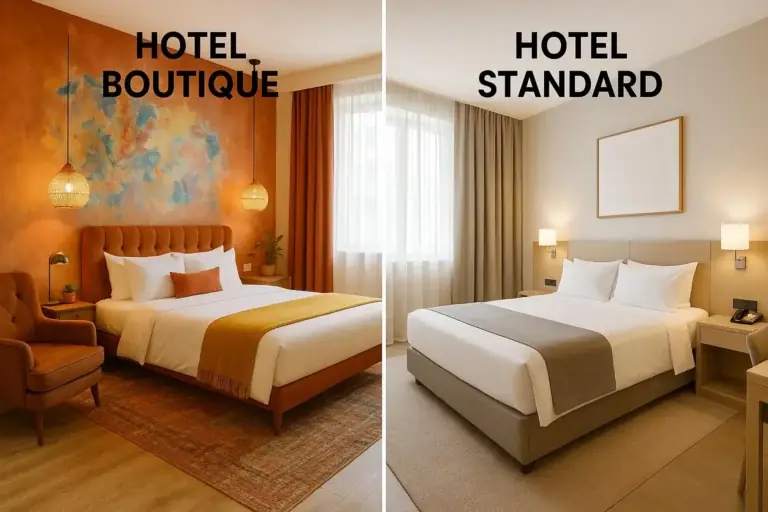
Boutique hotels have increasingly stepped into this operational vacuum. By blending distinct architectural design, localized culture, and small-scale hospitality with dedicated workspace infrastructure, high-performing boutique properties offer a middle ground. However, an aesthetic interior or a curated lobby lounge does not automatically yield a functional professional outpost. Evaluating properties for extended professional execution requires looking past superficial marketing labels to dissect the underlying spatial ergonomics, network architectures, power distribution systems, and operational policies that dictate whether a destination acts as a productive asset or an expensive operational liability.
Understanding “best boutique hotels for remote workers.”
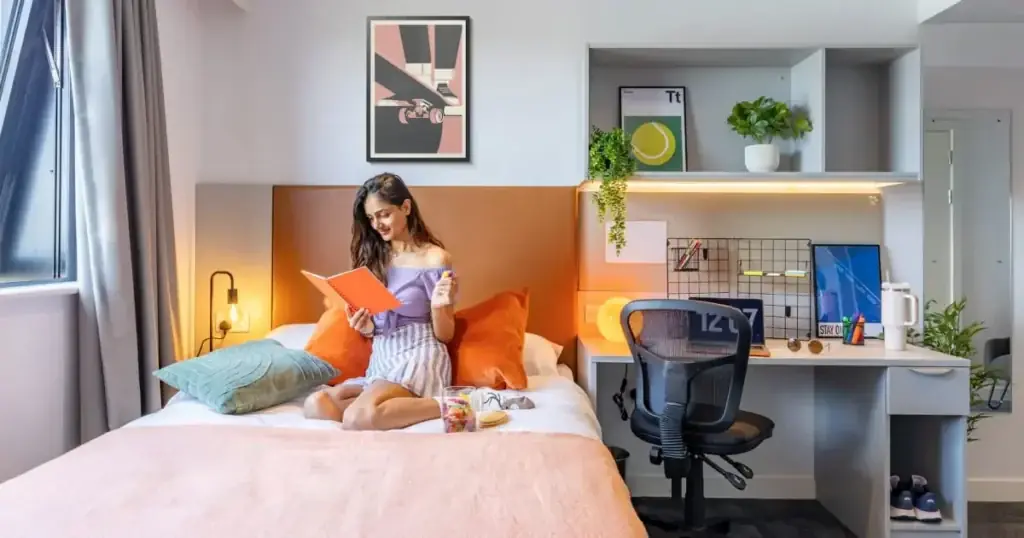
Evaluating the best boutique hotels for remote workers requires establishing a clear distinction between leisure-first hospitality and work-integrated accommodations. At its core, the term describes independent or small-inventory properties typically operating under 100 keys that deliberately integrate enterprise-level technical infrastructure with intentional spatial design to support deep, uninterrupted cognitive output alongside daily living.
A frequent misunderstanding in the hospitality marketplace is equating high luxury or aesthetic appeal with professional utility. A luxury property featuring historic furniture, ornate marble writing tables, and dim ambient lighting may project elegance, yet fail fundamental ergonomic and technical requirements. An antique writing desk often lacks proper knee clearance or cable passthrough channels; low-wattage decorative lamps induce severe eye strain during eight-hour screen sessions; and legacy stone or brick masonry in historic structures routinely attenuates wireless signals between guest rooms and corridors.
Oversimplification also occurs when properties rely on generic marketing descriptors like “nomad friendly” or “workcation ready” without backing those claims up with verifiable operational standards. True structural alignment requires verified symmetric network speeds, low latency, acoustic isolation, adjustable task seating, and service schedules calibrated to conflicting international time zones. Without these core elements, a property remains a leisure hotel with surface-level marketing additions rather than a functional remote work base.
Deep Contextual Background
The evolution of work-integrated boutique hospitality traces a line alongside the transition from physical office real estate to distributed, cloud-based architectures. Historically, corporate travel was dominated by standardized hotel chains engineered for high turnover predictability. These properties operated under the assumption that guests performed their primary labor off-site—at regional corporate headquarters, client offices, or event venues—and returned to their rooms solely for rest, room service, and brief email check-ins.
As mobile computing, video conferencing platforms, and asynchronous collaboration tools matured, knowledge workers began unbundling their geographic ties. Initially, location-independent professionals gravitated toward urban coffee shops, public libraries, and shared co-working spaces while staying in budget accommodations. However, the friction of this fragmented approach quickly became apparent. Daily equipment transit, unreliable public networks, security risks on unencrypted Wi-Fi connections, and erratic acoustic environments created substantial operational drag.
Boutique hoteliers recognized this emerging structural gap earlier than major corporate chains. Unencumbered by rigid corporate brand standards, independent operators began retrofitting guest rooms with ergonomic task chairs, upgrading back-of-house internet infrastructure, and redesigning lobby spaces into multi-functional work lounges with accessible power distribution and quiet zones. Over time, this ad-hoc retrofitting matured into a deliberate architectural and operational movement, establishing a distinct sub-category within boutique hospitality designed specifically for sustained, multi-week professional stays.
Conceptual Frameworks and Mental Models
To systematically evaluate whether a boutique hotel can support intensive remote work, four distinct operational frameworks offer structured guidance.
1. The Ergonomic-Environmental Matrix
This framework evaluates a guest room or public space across two primary vectors: physical support and environmental control.
-
High Ergonomics + High Control (Optimal Workspace): Features adjustable task seating, deep working surfaces, glare-free task lighting, stable climate control, and low acoustic interference.
-
Low Ergonomics + High Control (Quiet Library Model): Silent and temperature-controlled environment, but lacks proper desk depth or lumbar support, forcing physical strain during extended calls.
-
High Ergonomics + Low Control (Unfocused Lounge): Excellent seating and power accessibility, but high guest foot traffic, surface glare, and unpredictable background noise.
-
Low Ergonomics + Low Control (Sub-Optimal Base): Uncomfortable decorative furniture combined with dim lighting and continuous corridor noise.
2. The Network Resilience Pyramid
Connectivity failure represents a primary operational risk for location-independent professionals. This pyramid ranks a property’s digital architecture into three functional tiers:
-
Individual Backup (Failover Layer): Redundant mobile hotspots, local cellular data SIMs, and portable power stations carried directly by the professional.
-
Enterprise Network Core: Symmetric fiber-optic lines, load-balancing routers, dedicated guest VLANs, and Quality of Service (QoS) configurations prioritizing VoIP and video traffic.
-
Baseline Hardware Setup: High-density Wi-Fi 6 access points distributed systematically across guest corridors to eliminate dead zones caused by thick interior walls.
3. The Temporal-Spatial Friction Model
This model measures the time and cognitive energy required to transition between different daily modes: deep focus work, physical movement, nutritional intake, and psychological recovery. Properties with low spatial friction integrate on-site or adjacent healthy dining, quiet common areas, direct access to green spaces or fitness facilities, and streamlined administrative support. High-friction properties require guests to travel off-site for necessities, fragmenting the workday and draining mental energy.
4. The Cognitive Context-Switching Taxonomy
Work environments directly influence a remote worker’s mental state. This taxonomy divides property workspaces into three zones:
-
Micro-Zones (In-Room): Private, acoustically insulated zones designed for confidential communications, deep analytical drafting, or high-stakes video calls.
-
Meso-Zones (Property Lounges & Libraries): Shared semi-quiet areas suitable for asynchronous administrative tasks, light code reviewing, or casual reading.
-
Macro-Zones (Communal Dining & Courtyards): High-energy social environments intended for collaborative brainstorming, networking, or relaxation.
Key Categories or Variations
Boutique hotels catering to remote workers generally fall into six major architectural and operational typologies. Each model presents distinct advantages alongside specific operational trade-offs.
| Category Typology | Key Spatial Focus | Ideal Professional Profile | Primary Trade-Off / Limitation |
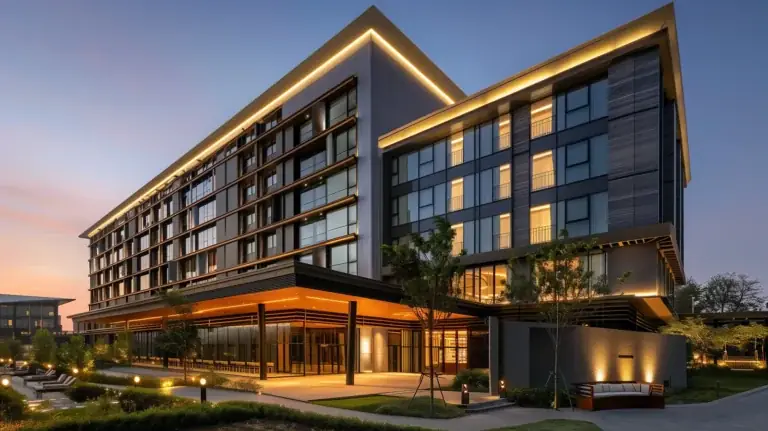
| Urban Design Boutiques | High-density central locations, compact rooms, integrated lobby lounges | Consultants, software engineers, and executives needing central urban access | Higher ambient street noise and smaller room square footage |
| Eco-Luxury Rural Retreats | Expansive natural settings, private cabins/villas, quiet communal grounds | Writers, researchers, and creative directors requiring extended focus | Distance from urban services, public transport, and hardware repair shops |
| Hybrid Coliving Boutiques | Shared co-working lounges, organized networking, private rooms | Solo founders, freelancers, and early-career remote workers seeking connection | Reduced personal privacy in public spaces; variable noise levels |
| Historic Heritage Conversions | Thick stone masonry, restored architecture, unique room layouts | Academics, legal consultants, and authors preferring quiet character | Irregular electrical outlet placement and potential Wi-Fi signal damping |
| Aparthotel Collectives | In-suite kitchenettes, separated work/living zones, extended-stay pricing | Long-stay remote workers, couples, or project teams needing self-sufficiency | Reduced traditional hotel services like daily housekeeping or 24/7 front desk |
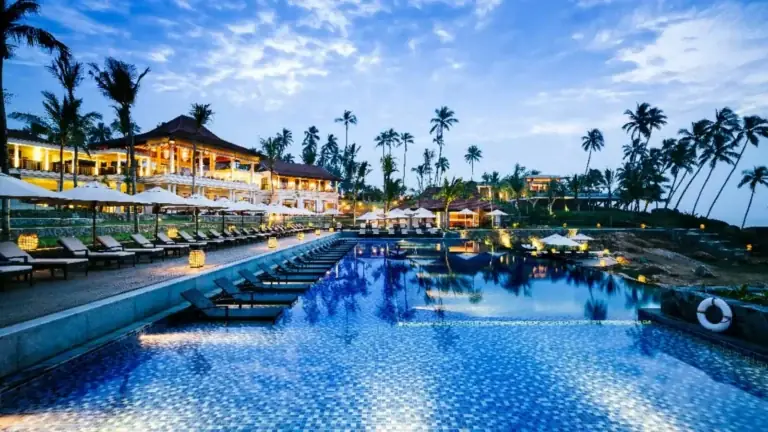
| Coastal Resort Boutiques | Indoor-outdoor integration, breezy workspaces, wellness amenities | Product designers, marketers, and flexible-schedule creators balancing work and lifestyle | High seasonal pricing volatility and ambient outdoor distractions |
Decision Logic for Property Selection
Selecting the appropriate property category requires evaluating specific project demands against operational strengths:
-
High Video Meeting Volume: Prioritize Urban Design Boutiques or Aparthotel Collectives that feature private soundproofed phone booths or heavy interior doors separating guest workspaces from common corridors.
-
Asynchronous Deep Focus: Target Eco-Luxury Rural Retreats or Historic Heritage Conversions where low guest density and serene surroundings support sustained concentration.
-
Long-Term Budget Optimization: Focus on Aparthotel Collectives or Hybrid Coliving Boutiques that offer tiered pricing models for 14-day or 30-day stays, substantially lowering the average nightly cost.
Detailed Real-World Scenarios
Evaluating how these properties function in practice requires examining realistic operational scenarios across different professional disciplines.
The Systems Architect Managing a Cloud Migration
-
Context: A senior infrastructure architect requires seven days of uninterrupted concentration to coordinate a multi-region cloud server migration across conflicting time zones.
-
Constraints: Zero tolerance for packet loss or bandwidth throttling; mandatory requirement for low-latency Wi-Fi 6 or wired connection; need for a quiet workspace between 01:00 and 05:00 local time.
-
Decision Points: The architect selects an Urban Design Boutique that guarantees symmetric 100 Mbps fiber connectivity and offers 24-hour keycard access to a quiet library space equipped with ergonomic seating and backup power systems.
-
Failure Modes & Mitigations: An unexpected late-night ISP maintenance outage threatens the deployment. Because the architect pre-screened the property’s secondary WAN failover capabilities and carried a portable 5G mobile hotspot, connection loss is avoided entirely.
-
Second-Order Effects: Completing the migration ahead of schedule reinforces the value of verifying network parameters prior to arrival, establishing a repeatable template for future technical stays.
The Creative Director Finalizing a Brand Launch
-
Context: A creative director leads a distributed design team drafting visual identity assets for a major client pitch over two weeks
-
Constraints: High volume of large vector and media file transfers; need for high-color-accuracy task lighting and non-glare work surfaces; reliance on frequent voice check-ins.
-
Decision Points: The director selects an Aparthotel Collective offering a multi-room suite with direct natural north-facing light, a spacious dining/work table, and an in-suite kitchenette.
-
Failure Modes & Mitigations: Nearby street construction begins on day three. The director deploys real-time noise-canceling software paired with a directional microphone while shifting asset generation to early morning hours.
-
Second-Order Effects: The suite layout allows work materials to remain laid out permanently on the primary desk surface without needing to clear the space for meals, preserving cognitive momentum.
The Independent Legal Consultant Conducting Due Diligence
-
Context: A corporate legal consultant spends three weeks reviewing complex acquisition documents, requiring absolute data privacy and confidential communication channels.
-
Constraints: Strict non-disclosure obligations; requirement for private physical spaces when taking sensitive client calls; need for reliable document printing services.
-
Decision Points: The consultant chooses a Historic Heritage Conversion featuring small guest key counts, solid wood doors, sound-insulated masonry walls, and a secure private executive lounge.
-
Failure Modes & Mitigations: Public lobby Wi-Fi is unencrypted. The consultant operates exclusively through a personal travel hardware router configured with an encrypted VPN tunnel, bypassing public network risks.
-
Second-Order Effects: The secure, quiet environment prevents privacy breaches and supports long hours of detailed document review without physical or mental strain.
The Startup Founder Pitching Venture Investors
-
Context: A founder conducts a four-day virtual pitch roadshow, holding 15 back-to-back video calls with cross-border investor groups.
-
Constraints: High video stability requirements; professional, clutter-free background aesthetic; controllable indoor climate to prevent overheating during multi-hour presentations.
-
Decision Points: The founder books a business-oriented boutique property offering dedicated video-conferencing booths with pre-configured neutral backdrops and studio task lighting.
-
Failure Modes & Mitigations: Midday sun creates severe lens glare in the primary booth. The founder switches to an alternate quiet meeting room reserved in advance via the front desk.
-
Second-Order Effects: Professional presentation optics and seamless call quality enhance investor confidence, contributing directly to funding milestone success.
Planning, Cost, and Resource Dynamics
Budgeting for an extended stay at a work-ready boutique hotel requires assessing both direct room rates and indirect operational expenses. Unanticipated costs can inflate travel expenditures if not factored into the initial planning phase.
Direct vs. Indirect Cost Breakdown
-
Direct Accommodation Costs: Base room rate, regional tourist taxes, facility fees, and optional room upgrade surcharges.
-
Connectivity and Hardware Fees: Premium bandwidth charges (if applicable), private meeting room rental rates, administrative printing costs, and adapter deposits.
-
Sustenance and Lifestyle Expenses: On-site restaurant pricing versus local market grocery options, laundry service fees, and gym or wellness facility access charges.
-
Opportunity Costs: Lost billable time resulting from unexpected network dropouts, poor desk ergonomics causing physical strain, or noisy environments disrupting client calls.
Estimated Expense Profiles Across Property Tiers
| Cost Component | Budget Hybrid Coliving | Mid-Tier Urban Boutique | Premium Eco-Luxury Retreat |
| Nightly Rate Range (14+ Days) | $60 – $120 / night | $150 – $300 / night | $350 – $750+ / night |
| High-Speed Internet Access | Included in base rate | Included (Tier 1/2) | Included (often via Starlink) |
| Dedicated Meeting Space | Shared / Hourly booking | On-site lounge / Daily fee | Private villa / In-room |
| Sustenance Flexibility | Communal kitchen access | On-site restaurant / Cafe | Full-service dining on-site |
| Laundry & Housekeeping | Self-service on-site | Bi-weekly or daily included | Full daily housekeeping included |
Seasonality and Contract Negotiation
Boutique properties rely on dynamic pricing algorithms that respond to local tourist demand. Remote workers can optimize accommodation costs by targeting shoulder seasons—the weeks bridging peak and off-peak periods—when weather remains favorable but tourist occupancy drops. Furthermore, contacting property managers directly rather than booking via third-party online travel agencies (OTAs) often unlocks unlisted extended-stay discounts, complimentary room upgrades to suites with larger workspaces, or waived facility fees.
Tools, Strategies, and Support Systems
Operating productively from a boutique hotel requires combining portable hardware, software utilities, and proactive communication strategies.
1. Hardware & Physical Infrastructure
-
Portable Secondary Display: A lightweight 15.6-inch USB-C external monitor expands screen real estate, allowing workers to maintain multi-window workflows without relying on restrictive laptop screens.
-
Active Noise-Canceling (ANC) Headset: High-quality headsets equipped with beamforming microphones isolate voice transmission, neutralizing ambient lobby chatter or HVAC noise during video calls.
-
Ergonomic Travel Accessories: A compact, height-adjustable laptop stand paired with a wireless keyboard and mouse allows workers to set up an ergonomically sound workstation on any hotel table.
-
Compact Travel Router: A portable router enables users to create a private, encrypted local network for all personal devices, simplifying connection management and adding a security layer over public hotel Wi-Fi.
-
Multi-Port GaN Charger & Universal Adapter: High-wattage Gallium Nitride chargers reduce packing weight while powering laptops, phones, and peripheral devices simultaneously from a single wall outlet.
2. Software & Digital Protocols
-
Network Performance Benchmarking: Run independent speed, jitter, and packet-loss diagnostic tests immediately upon arrival to identify optimal working locations within the property.
-
Active Noise Suppression Utilities: Deploy system-level software to filter background noise from both incoming and outgoing audio streams during video calls.
-
Pre-Arrival Property Vetting: Send a structured inquiry to the hotel front desk prior to booking, requesting specific details regarding network bandwidth (upload/download speeds), desk dimensions, and power outlet proximity to working surfaces.
Risk Landscape and Failure Modes
Remote work stays at boutique properties carry specific risks that can interrupt professional operations if unaddressed. Identifying these vulnerability points early allows for clear contingency planning.
The Vulnerability Cascade in Hotel Stays
-
Primary Risk (Infrastructure Breakdown): Regional power outage, ISP fiber line disruption, or unannounced building maintenance.
-
Secondary Impact (Communication Breakdown): Dropped calls during client presentations, corrupted cloud file syncs, or inability to access remote servers.
-
Tertiary Impact (Professional Damage): Missed deliverable deadlines, loss of client trust, and emergency hotel relocation costs.
Taxonomy of Common Failure Modes
-
Bandwidth Throttling and Congestion: Hotels often cap per-device bandwidth to maintain network balance across all guests. While sufficient for HD video streaming, low bandwidth caps hinder uploading large media files or executing code deployments.
-
Ergonomic Instability: Stylish but non-adjustable seating, glass-topped tables that reflect task lighting, or desks positioned far from electrical outlets cause physical discomfort within days.
-
Acoustic Intrusion: Thin interior walls, unsealed corridor doors, adjacent housekeeping storage hubs, or courtyard social spaces can introduce unpredictable noise during core working hours.
-
Power Grid Unreliability: In specific regional destinations, local electrical grids may experience periodic load-shedding or storm-related outages. Without on-site backup generators, power losses disable local Wi-Fi equipment and drain device batteries.
-
Administrative Misalignment: Housekeeping staff entering guest rooms during scheduled client meetings or failing to respect “Do Not Disturb” indications can disrupt focus and compromise privacy.
Governance, Maintenance, and Long-Term Adaptation
Maintaining high productivity over sequential hotel stays requires establishing clear personal routines and ongoing evaluation protocols.
Ongoing Monitoring and Review Protocols
Instead of adapting passively to an uncomfortable workspace, remote workers should run a structured evaluation within the first two hours of checking in:
-
Ergonomic Safety Check. Test desk height, seat comfort, lighting angles, and power outlet accessibility. Request immediate physical adjustments (e.g., extra seating cushions, extension cords, or additional task lamps) from hotel staff if needed.
-
Network Throughput Test. Perform speed tests across multiple areas of the property (guest room desk, bed, lobby lounge, outdoor terraces) to map high-performance work zones.
-
Acoustic Baseline Test. Assess ambient sound levels during key meeting windows to determine whether in-room setups or designated quiet zones are better suited for client interactions.
Property Relocation Triggers
Establish clear operational boundaries that dictate when to request a room move or change properties entirely:
-
Trigger A: Network bandwidth drops consistently below 15 Mbps download / 5 Mbps upload during core working hours despite management intervention.
-
Trigger B: Unannounced property renovation or nearby construction noise exceeds acceptable levels during key call windows.
-
Trigger C: Unresolved ergonomic issues cause physical fatigue or pain that cannot be corrected with available furniture adjustments.
Measurement, Tracking, and Evaluation
Quantifying the effectiveness of a remote work environment helps ensure that property selections support professional goals.
Qualitative vs. Quantitative Signals
-
Quantitative Performance Metrics: Daily billable hours logged, velocity of task completion, volume of network drops recorded, and total accommodation cost per productive work day.
-
Qualitative Comfort Signals: Subjective energy levels at the end of the workday, overall sleep quality, mental focus during complex tasks, and satisfaction with the surrounding environment.
Reference Field Audit Template
1. Network Performance Metrics
-
Measured Download Speed: Target 50+ Mbps
-
Measured Upload Speed: Target 15+ Mbps
-
Latency / Jitter: Target <30 ms
-
Connection Stability Score: 1 to 5 scale
2. Ergonomic & Lighting Assessment
-
Chair Adjustment Capabilities: Excellent / Fair / Poor
-
Desk Surface Depth & Height: Adequate / Constrained
-
Outlet Proximity to Desk: Direct / Cord Required
3. Acoustic & Environmental Control
-
Hallway / Corridor Isolation: Silent / Moderate Noise
-
HVAC Noise Impact: Minimal / Distracting
-
Natural Light Quality: Bright / Low Light
4. Decision Threshold
-
If total score falls below acceptable baseline on Day 1, request an immediate room swap or trigger backup co-working location protocol.
Common Misconceptions and Oversimplifications
-
Misconception 1: “High-speed Wi-Fi” guarantees a connection suitable for video conferencing.
-
Correction: High download speeds do not prevent high latency or jitter, which disrupt real-time video calls. Symmetrical upload/download ratios and low latency are critical for video platforms.
-
-
Misconception 2: Expensive luxury hotels offer superior working conditions compared to boutique properties.
-
Correction: Luxury properties often prioritize relaxation, ambient lighting, and high-end design over functional workspaces, proper desk heights, or easily accessible power outlets.
-
-
Misconception 3: Working from lobby lounges or hotel cafes is sustainable for full workdays.
-
Correction: Public lounges present unpredictable sound levels, visual distractions, non-ergonomic seating, and security risks when stepping away from equipment. They are best used as secondary workspaces for light tasks.
-
-
Misconception 4: Dedicated co-working spaces are always necessary when staying at a hotel.
-
Correction: A well-designed boutique room featuring proper ergonomics and high-speed connectivity often provides a quieter and more productive environment than a busy shared co-working hub.
-
-
Misconception 5: Hotel staff can easily resolve hardware or network performance issues on demand.
-
Correction: Front desk personnel rarely have administrative control over network infrastructure or third-party managed ISPs. Relying on personal hardware redundancy is essential.
-
-
Misconception 6: All boutique hotels offer flexible extended-stay pricing structures.
-
Correction: Many boutique hotels prioritize high-turnover leisure guests and do not offer discounted extended-stay packages unless negotiated directly with management.
-
Ethical, Practical, or Contextual Considerations
Operating as a location-independent worker from boutique properties requires balancing personal convenience with respect for local host communities. Extended stays in smaller destinations can place demands on regional utility grids, public transport, and residential housing markets. Choosing properties that implement sustainable water management, energy-efficient HVAC systems, and fair-wage labor practices ensures that long-term stays support the local economy rather than straining infrastructure.
Additionally, managing personal data security on shared networks is both a practical necessity and a professional duty. Using encrypted virtual private networks, multi-factor authentication, and privacy screen filters when working in public hotel areas protects client data and maintains compliance with privacy standards regardless of destination.
Conclusion
Finding the best boutique hotels for remote workers involves shifting perspective from leisure travel to objective workspace selection. Surface-level aesthetics, trendy lounge spaces, and generic marketing terms are no substitute for functional workspace ergonomics, low-latency network resilience, and intentional acoustic control. By applying structured evaluation frameworks, maintaining portable hardware redundancy, and selecting properties tailored to specific operational requirements, mobile professionals can establish stable, high-performing workspaces anywhere in the world. In an increasingly distributed labor market, the goal is not simply to travel while working, but to build an intentional, sustainable operational baseline that preserves professional output, physical well-being, and peace of mind.