Top Urban Boutique Hotel Escapes in America: Architecture & Guide
The metropolitan hospitality sector designed for low-density urban lodging operates at a demanding intersection of historic architectural preservation, rigorous acoustic engineering, high fixed land economics, and yield-managed inventory scarcity. Unlike sprawling master-planned suburban resorts or convention-anchored glass towers that rely on standardized floor plates and high-volume corporate contracts, elite urban boutique properties derive their market defensibility from architectural provenance, localized neighborhood immersion, and hyper-personalized service velocity. From converted nineteenth-century cast-iron warehouses in Manhattan and historic brownstones in Boston to restored jazz-age landmarks in New Orleans and modernist brick conversions in Chicago, these properties represent an asset class where every spatial and operational variable behaves differently than conventional chain hospitality.
Evaluating high-performing metropolitan properties requires looking past curated interior photography, artisanal minibars, and subjective design magazine awards. A property’s true operational viability depends on how its historic structural envelopes insulate sleeping quarters from subterranean subway vibrations and street-level siren corridors, whether its vertical distribution preserves historic elevator shafts without sacrificing service efficiency, and how its distribution strategy protects rate integrity without relying on volume-driven online travel agencies. When room counts sit between twenty and eighty keys, a single street-front renovation project, local zoning restriction, or unvetted acoustic room disparity alters the guest experience immediately.
Understanding these structural mechanics is essential for hospitality asset managers, real estate analysts, executive travel directors, and discerning travelers seeking genuine psychological decompression and architectural authenticity amid dense urban environments. What appears on booking portals as effortless metropolitan chic frequently conceals complex civil engineering feats, stringent landmark preservation covenants, high staff-to-guest ratios, and multi-month reservation lead times. Examining the operational, architectural, and financial dimensions of top urban boutique hotel escapes in America provides a rigorous framework for navigating premier high-density properties across major North American cities.
Understanding “top urban boutique hotel escapes in America.”
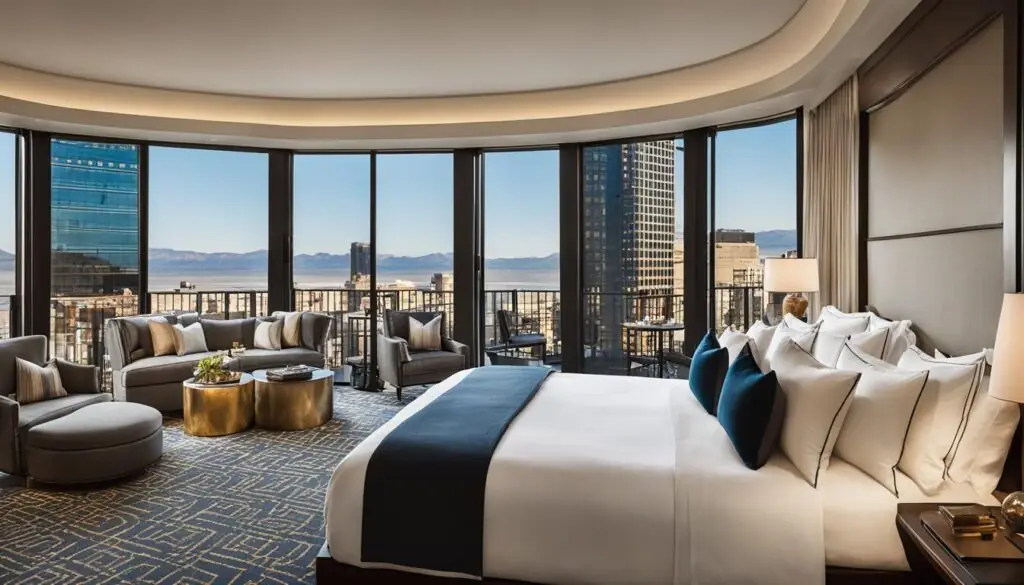
Evaluating the market of top urban boutique hotel escapes in America requires separating superficial aesthetic styling from measurable architectural, acoustic, and operational performance. Mainstream travel journalism routinely assigns the boutique label to any hotel featuring exposed brick walls, velvet upholstery, or craft cocktail lounges. From an asset management and hospitality engineering perspective, however, a true urban boutique hotel is defined by the convergence of four structural criteria: low physical key count (typically between 15 and 75 accommodations), historic adaptive-reuse or site-specific architectural integration, high staff-to-guest ratios designed for discretionary service delivery, and strategic neighborhood buffering that insulates guests from metropolitan chaos.
Core Structural Audit Layers
Systematically auditing metropolitan boutique performance requires analyzing three core structural layers:
-
Acoustic Glazing and Vibration Mitigation: Evaluating whether building envelopes utilize laminated double- or triple-pane acoustic glazing, floating floor assemblies, and isolated masonry walls to eliminate urban noise pollution and subterranean transit vibrations without compromising historic facade preservation.
-
Vertical Logistics and Floor-Plate Geometry: Assessing how properties navigate non-standard historic floor plates, compact elevator capacities, and vertical service pathways to ensure seamless housekeeping, luggage handling, and room-service delivery across multi-level townhouses or warehouses.
-
Neighborhood Provenance and Public Permeability: Examining how properties balance intimate residential sanctuary with popular ground-floor restaurants and cocktail bars, ensuring that external public foot traffic does not compromise overnight guest privacy.
Common Procurement Oversights
A pervasive mistake in urban travel procurement is assuming that high nightly rates and fashionable zip codes automatically guarantee quietude and structural comfort. A 40-room property located in a vibrant nightlife district can experience severe late-night street noise, early-morning delivery truck vibration, and lobby crowding from non-overnight lounge patrons despite top-tier room pricing. Conversely, a property tucked into a residential side-street alcove with dedicated sound-mitigation vestibules delivers absolute acoustic and visual seclusion.
Navigating a comprehensive assessment of the domestic urban sector requires looking beneath interior design styling to examine building physics, historic zoning safeguards, and total stay cost structures.
Deep Contextual Background: From Grand Railway Hotels to Warehouse Conversions
The architecture of American urban hospitality evolved through distinct industrial, cultural, and real estate phases over the past century and a half. In the late nineteenth and early twentieth centuries, urban expansion was anchored by monumental “Grand Hotels” built near central railway terminals. These towering masonry structures offered standardized luxury to business travelers and railway elites, establishing urban lodging as an imposing, high-volume commercial enterprise.
During the mid-twentieth century, suburbanization and the rise of the interstate highway system shifted metropolitan development toward standardized downtown motor inns and massive convention hotels. By the late 1980s and 1990s, however, pioneering hoteliers such as Ian Schrager and Bill Kimpton spearheaded a radical counter-movement. They recognized that urban travelers increasingly desired design-led, intimate environments that reflected the creative energy of specific neighborhoods. By converting derelict warehouses in SoHo, Victorian townhouses in San Francisco, and historic loft buildings in Chicago, these visionaries proved that small-footprint urban properties could command premium rates through cultural provenance and interior drama.
In recent decades, rising demand for authentic neighborhood immersion has accelerated the adaptive reuse of historic urban architecture. Boutique hotel groups and luxury soft brands have transformed former printing plants, banks, soap factories, and shoe warehouses into high-design metropolitan sanctuaries. Today, identifying premier urban boutique properties requires navigating a diverse ecosystem spanning restored brownstones, industrial loft conversions, and modernist downtown infill developments.
Conceptual Frameworks and Mental Models for Urban Boutique Evaluation
Objective comparison of premier urban boutique properties requires analytical models that isolate acoustic resilience, spatial privacy, and operational logistics.
1. The Urban Acoustic Isolation Index (UAII)
This framework measures how effectively a property’s building envelope and interior layout insulate guest rooms from external street noise, emergency sirens, and internal corridor activity. High-UAII properties deploy acoustic vestibules, heavy solid-core doors, and specialized window glazing to maintain interior decibel levels below 35 dB, ensuring restorative sleep in dense metropolitan cores.
2. The Public-to-Resident Permeability Ratio (PRPR)
This model evaluates how much external, non-overnight foot traffic enters the hotel campus via popular ground-floor restaurants, rooftop bars, and public work spaces. Low-PRPR sanctuaries restrict lounge and amenity access to registered overnight guests, preserving residential calm. High-PRPR properties monetize local nightlife and dining traffic, trading away total acoustic seclusion for vibrant social energy.
3. The True Net Urban Stay Cost Metric (TNUSCM)
This model calculates the complete financial outlay of a metropolitan boutique stay by combining baseline suite tariffs, mandatory daily urban destination or amenity fees, automatic service charges, overnight valet parking ($60 to $100 per night in major markets), and localized dining outlays, minus bundled consortia credits.
Key Categories and Structural Variations in Metropolitan Hospitality
Premier small-scale urban properties fall into distinct regional and operational archetypes, each balancing architectural heritage, key count, and pricing models differently.
| Urban Boutique Archetype | Typical Key Count | Architectural & Environmental Profile | Revenue & Pricing Model | Primary Operational Trade-Off / Vulnerability |
| Cast-Iron & Industrial Loft Conversions | 25 – 60 keys | Exposed brick, timber beams, soaring ceilings, large iron-framed windows | High BAR pricing + destination cocktail lounge revenue | High street-noise transmission through historic single-pane glass |
| Historic Brownstone & Townhouse Inns | 12 – 30 keys | Multi-level historic townhouses, narrow staircases, residential blocks | High nightly ADR + intimate parlor breakfasts | No elevators in strict landmark buildings; compact room footprints |
| Mid-Century Modern Urban Retreats | 30 – 75 keys | Retro-design structures, courtyard pools, breeze-block detailing | Dynamic BAR pricing + vibrant pool/patio programming | Weekend crowd density in common social areas |
| Adaptive-Reuse Civic Landmarks | 40 – 90 keys | Former banks, courthouses, or newspaper offices with grand lobbies | High luxury ADR + fine-dining and spa integration | High fixed maintenance costs for historic stone and millwork |
| Neighborhood Brownstone Boutique Hotels | 20 – 45 keys | Residential tree-lined streets, localized art curation, quiet courtyards | Moderate-to-high ADR + neighborhood café partnerships | Limited on-site parking and loading infrastructure |
| Design-Forward Downtown Infill Suites | 35 – 80 keys | Contemporary steel-and-glass construction, minimalist interiors | Corporate weekday ADR + weekend leisure demand | Can lack historic character if architectural detailing is generic |
Realistic Decision Logic for Property Selection
When selecting among premier properties within top urban boutique hotel escapes in America, travelers must evaluate operational models against specific personal objectives:
-
Prioritizing Industrial Architectural Provenance & Nightlife Immersion: Select converted loft and warehouse hotels in design districts like SoHo, the West Loop, or arts districts, where soaring ceilings and vibrant dining scenes anchor the stay.
-
Seeking Residential Quietude & Brownstone Charm: Choose multi-townhouse inns on tree-lined neighborhood streets where residential zoning buffers the guest experience from commercial thoroughfares.
-
Targeting Civic Grandeur & Fine Dining Integration: Deploy restored landmark bank or civic buildings in central business districts, balancing historic architectural scale with top-tier culinary programs.
Detailed Real-World Realities and Operational Stress Testing
Examining how urban boutique stays behave under real-world operational stress exposes vulnerabilities unique to high-density metropolitan hospitality.
The Street-Front Infrastructure Renovation and Utility Vibration
-
Constraints: Travelers book a weekend stay at a historic loft hotel situated on a major cobblestone avenue undergoing municipal water-main construction.
-
Decision Points: Selecting properties with historic street frontage without verifying municipal infrastructure schedules.
-
Failure Modes: Heavy excavation equipment operating directly outside historic windows generates severe low-frequency vibration and noise starting at 7:00 AM.
-
Second-Order Effects: Guest sleep quality is severely compromised, demonstrating why sound-mitigation engineering and rear-facing courtyard room selections are critical in dense urban cores.
Ground-Floor Restaurant and Rooftop Bar Acoustic Spillover
-
Constraints: Guests reserve a room at an acclaimed design hotel celebrated for its bustling subterranean jazz bar and high-volume rooftop lounge.
-
Decision Points: Booking standard room categories directly above active hospitality venues without requesting upper-floor residential wings.
-
Failure Modes: Bass frequencies from evening music programming propagate through historic brick party walls and floor joists until 2:00 AM.
-
Second-Order Effects: Friction arises between sleep-seeking guests and property management, illustrating the operational friction inherent in high-PRPI urban properties.
Historic Elevator Outages in Multi-Level Townhouses
-
Constraints: Travelers with heavy luggage check into a historic 4-story townhouse hotel in Boston or Charleston where strict landmark preservation laws prohibit elevator expansion.
-
Decision Points: Assessing physical accessibility and vertical transport capabilities before booking historic properties.
-
Failure Modes: The single historic elevator experiences a mechanical fault during a busy check-in window, requiring manual luggage portering up narrow spiral staircases.
-
Second-Order Effects: Check-in delays test guest patience, emphasizing the operational fragility of non-standard historic floor plans.
Parking Scarcity and Valet Bottlenecks in Congested Districts
-
Constraints: An executive arrives via personal vehicle at a boutique hotel in downtown San Francisco or Manhattan during a rainy Friday evening rush.
-
Decision Points: Relying on hotel valet services without confirming off-site garage capacity and retrieval times.
-
Failure Modes: Congested city streets and remote parking garage operations cause 45-minute vehicle retrieval delays during peak departure windows.
-
Second-Order Effects: Business schedules are disrupted, highlighting the importance of utilizing rail transit or pre-arranged private car services when visiting dense urban cores.
Planning, Cost, and Resource Dynamics
Evaluating expenditure across elite metropolitan properties requires accounting for urban real estate costs, mandatory destination fees, and parking premiums.
Direct vs. Indirect Cost Architecture
Urban properties face unique cost structures, including high municipal real estate taxes, specialized historic preservation maintenance, steep valet labor overhead, and continuous acoustic remediation. Direct costs cover suite tariffs and bundled breakfast programs. Indirect costs frequently include mandatory daily urban destination fees ($30 to $70 per night), overnight valet parking ($55 to $95 per night), and high-end dining outlays.
| Cost Component | Cast-Iron Loft Conversion | Historic Townhouse Inn | Landmark Civic Conversion |
| Base Suite Rate (Per Night) | $550 – $1,400 | $400 – $950 | $650 – $1,800 |
| Mandatory Urban / Amenity Fees | $35 – $65 / night + tax | $25 – $50 / night + tax | $40 – $75 / night + tax |
| Overnight Valet Parking | $55 – $95 / night | $50 – $80 / night (If available) | $60 – $100 / night |
| On-Property Dining & Beverage | $150 – $350 / couple/day | $100 – $250 / couple/day | $200 – $500 / couple/day |
| Estimated 3-Night Couple Outlay | $2,300 – $5,900 | $1,700 – $4,200 | $2,800 – $7,500 |
Tools, Strategies, and Support Systems
Navigating premier metropolitan properties requires leveraging specialized tools and verification workflows to ensure optimal acoustic comfort and logistical ease.
-
Luxury Travel Advisor Preferred Partner Channels
-
Utility: Booking affiliated urban boutiques (such as Relais & Châteaux, Small Luxury Hotels of the World, or brand-preferred partner programs) through accredited luxury consortia secures daily breakfast, $100 property credits, and priority suite placement.
-
Limits: Upgrade availability is severely constrained at 20- to 50-key properties during peak business travel weeks.
-
-
Direct Front-Desk Acoustic & Floor-Plan Audits
-
Utility: Contacting the on-site front-desk manager prior to check-in to request courtyard-facing rooms, upper-floor placements, or non-connecting suites ensures superior acoustic isolation.
-
Limits: Hotels log specific room preferences in their PMS while retaining final operational assignment discretion.
-
-
Satellite & Street-Level Urban Density Verification
-
Utility: Inspecting street-view mapping confirms whether an urban hotel sits on a quiet residential side street or immediately adjacent to noisy bus corridors, construction sites, or subway ventilation grates.
-
Limits: Street-view imagery cannot capture interior acoustic glazing quality or future municipal street repair projects.
-
-
Shoulder-Season & Weekend Rate Arbitrage
-
Utility: Shifting stays to weekends in corporate financial capitals (like New York or Chicago) or mid-week in leisure-heavy urban centers (like New Orleans or Savannah) reduces nightly tariffs significantly while bypassing overcrowded dining rooms.
-
Limits: Certain business-district restaurants and executive amenities may operate on reduced weekend schedules.
-
-
Comprehensive Transit & Car-Service Pre-Planning
-
Utility: Arranging private airport transfers or utilizing subway and rideshare options eliminates reliance on expensive, bottlenecked hotel valet parking.
-
Limits: Sudden transit delays or strike actions can disrupt pre-planned ground transport.
-
-
Flexible Cancellation & Force-Majeure Policy Reviews
-
Utility: Reviewing strict non-refundable urban cancellation cutoffs prevents financial loss when unexpected business travel or flight delays occur.
-
Limits: Standard boutique cancellation rules remain binding unless covered by third-party trip insurance.
-
Risk Landscape, Failure Modes, and Compounding Disruption
High-density urban boutique hospitality carries distinct environmental, infrastructural, and operational risks that frequently compound during metropolitan disruptions.
Taxonomy of Urban Boutique Risk Factors
-
Municipal Utility & Infrastructure Failures: Main water line breaks, electrical grid brownouts, or subway construction delays disrupting immediate hotel access and services.
-
Historic Building Envelope Deterioration: Water intrusion through historic masonry joints, single-pane iron windows, or aging parapets during severe coastal or urban rainstorms.
-
Public Demonstration & Street Congestion Access Blocks: Civil demonstrations, marathon road closures, or parade routes blocking street access and delaying guest arrivals.
-
Staff Commute & Labor Disruption: Public transit strikes or severe traffic congestion delaying housekeeping and front-desk personnel, impacting service velocity.
Compounding failure cascades typically unfold when a water main break on a historic downtown avenue floods the street outside a boutique hotel, cutting off municipal water pressure and preventing valet vehicles from accessing the property during a heavy check-in window.
Governance, Maintenance, and Long-Term Adaptation
Protecting historic physical assets and ensuring uninterrupted guest comfort in dense urban environments requires executing disciplined maintenance and monitoring protocols.
Urban Property Maintenance Checklist
Execute these operational reviews quarterly to mitigate environmental wear and utility strain:
-
Façade & Masonry Inspection: Check historic brickwork, stone lintels, and cast-iron detailing for water infiltration and structural settling.
-
Acoustic Seal & Glazing Audit: Test window weatherstripping, acoustic door seals, and vibration-dampening mountings across all guest rooms.
-
Elevator & Vertical Shaft Servicing: Inspect historic cable systems, hydraulic controls, and safety brakes to prevent mechanical downtime.
-
HVAC & Air Filtration Maintenance: Replace HEPA filters and clean ductwork regularly to neutralize urban particulate pollution and maintain indoor air quality.
Measurement, Tracking, and Evaluation Frameworks
Assessing the true performance and sustainability of an urban boutique property requires tracking both quantitative efficiency metrics and qualitative guest signals.
Quantitative vs. Qualitative Evaluation Matrix
-
Quantitative Metrics: Urban Acoustic Isolation Index (UAII), RevPAR Performance Relative to Local Market, Staff-to-Key Service Ratio, and True Net Stay Cost Variance.
-
Qualitative Signals: Indoor Acoustic Calm, Neighborhood Immersion Authenticity, Anticipatory Staff Responsiveness, and Post-Stay Restorative Satisfaction.
-
Leading vs. Lagging Indicators: High UAII scores, strategic courtyard room allocations, and verified valet efficiency serve as leading indicators of a superior stay. Uninterrupted sleep, balanced indoor comfort, and effortless urban exploration represent lagging indicators of true property excellence.
Common Misconceptions and Oversimplifications
Mainstream travel media frequently perpetuates oversimplifications regarding metropolitan destinations that lead to misaligned expectations and booking errors.
- Myth 1: “All Urban Boutique Hotels Offer Quiet Residential Seclusion”
-
Correction: Many design-forward urban properties sit in vibrant, high-energy arts or nightlife districts where street noise and music bleed through historic windows unless rigorous acoustic engineering is present.
- Myth 2: “Historic Townhouse Hotels Feature Modern Elevator Access”
-
Correction: Strict historic preservation and landmark zoning laws frequently prohibit the installation of modern elevators in narrow 19th-century townhouses, requiring guests to navigate stairs.
- Myth 3: “Booking Through Third-Party OTAs Secures Identical Room Assignments”
-
Correction: Boutique urban hotels reserve their quiet courtyard-facing or upper-floor rooms for direct bookers and luxury consortia advisors, routing third-party users to lower-floor street-facing rooms.
- Myth 4: “Valet Parking Is Fast and Seamless in Dense Cities”
-
Correction: Congested downtown traffic and remote off-site garage storage can cause significant vehicle retrieval delays during peak departure hours.
- Myth 5: “Small Boutique Hotels Have Lower Operating Overhead Than Large Towers”
-
Correction: High staff-to-guest ratios, specialized historic maintenance, and prime urban real estate taxes drive up per-key operational overhead significantly.
- Myth 6: “Urban Weather Does Not Impact Boutique Hotel Operations”
-
Correction: Severe urban rainstorms, flash flooding, and extreme heatwaves test aging municipal drainage systems and historic building envelopes.
Ethical, Practical, and Contextual Considerations
Operating low-density luxury hospitality across dense urban neighborhoods carries profound architectural and community responsibilities. Sustainable metropolitan operators invest heavily in historic preservation stewardship, energy-efficient building retrofits, local artisan sourcing, and community-integrated cultural programming. Furthermore, supporting neighborhood micro-economies by partnering with nearby independent bakeries, roasters, and galleries ensures that tourism development enriches rather than displaces local urban culture.
Booking directly or through accredited luxury travel advisors ensures that revenues support local staff living wages, historic preservation funds, and authentic regional partnerships rather than leaking to third-party online travel agency commissions.
Conclusion
Evaluating options among top urban boutique hotel escapes in America requires looking past curated photographic styling, fashionable neighborhood branding, and generalized design magazine hype. Achieving genuine comfort, architectural authenticity, acoustic isolation, and financial predictability demands an analytical approach grounded in evaluating urban acoustic isolation indices, public-to-resident permeability ratios, historic spatial constraints, and all-in cost structures.
In final synthesis, navigating the top urban boutique hotel escapes in the American market demands a rigorous commitment to operational realism. By combining acoustic-aware room selection with historic envelope verification and direct booking relationships, travelers and hospitality analysts can ensure that a stay across America’s most dynamic metropolitan landscapes delivers enduring quietude, architectural craft, and profound connection.