Best Desert Boutique Hotels United States: Architecture & Guide
The arid expanses of the American Southwest and West stretch across the Mojave, Sonoran, Great Basin, and Chihuahuan deserts. They operate under a rigorous climatic and spatial logic that rejects traditional hospitality models. Unlike damp coastal environments or green valleys, the desert exposes structural vulnerabilities immediately. Landscape buffering cannot mask architectural errors there. Extreme temperature swings, intense solar radiation, fragile ecologies, and vast distances demand an entirely different approach to lodging. Hoteliers and architects have transformed abandoned homesteads, historic mineral springs, motor courts, and remote canyons into hyper-localized retreats. These properties rely on low-key density, vernacular materials, and thermal mass engineering to achieve market defensibility.
Evaluating high-performing small-scale desert properties requires looking past curated architectural photography, minimalist styling, and wellness slogans. A desert hotel’s operational viability depends on several key factors. How does its architecture manage solar heat gain and cooling loads? Do water sourcing and wastewater management follow sustainable principles? How do physical layouts buffer guests from winds and dust? Does the distribution strategy protect rate integrity across seasonal shifts? When room counts sit between ten and sixty keys, a single infrastructure failure or severe heatwave alters the guest experience immediately.
Understanding these mechanics is essential for analysts, travel directors, and discerning travelers. They seek genuine decompression rather than superficial desert styling. What appears as an effortless sun-drenched sanctuary often conceals complex utility logistics. Bookings may hide strict cancellation cutoffs, resort fees, and wide physical variations within identical rate tiers. Exploring the best desert boutique hotels in the United States requires a rigorous analytical framework. This framework helps audit, compare, and navigate properties across distinct arid landscapes.
Understanding “best desert boutique hotels United States.”
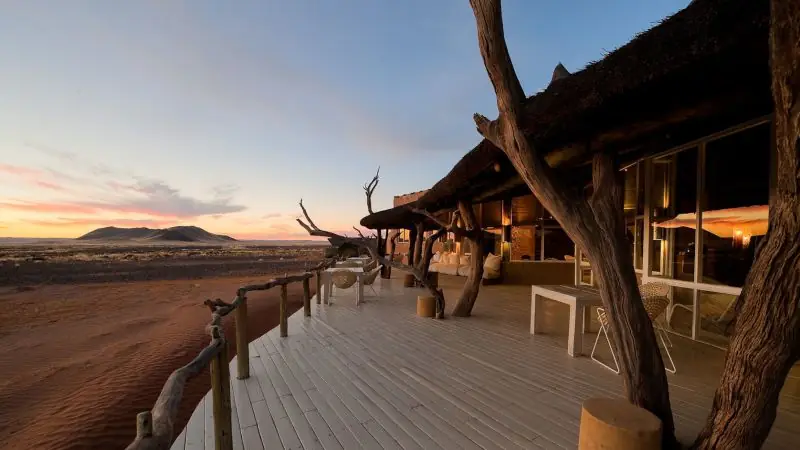
Evaluating the market requires separating aesthetic styling from measurable operational and architectural performance. Mainstream travel journalism routinely applies the boutique label to photogenic properties. These often feature rammed-earth walls, stock-tank pools, or mid-century modernism. From an operations standpoint, a true desert boutique hotel is defined by four structural criteria. Finally, it integrates strictly with fragile desert topographies.
Core Structural Audit Layers: Systematically auditing desert boutique performance requires analyzing three core structural layers:
-
Thermal Mass and Microclimate Design: Evaluate whether building envelopes use rammed earth, adobe, or shaded steel pergolas. These elements mitigate extreme diurnal temperature shifts and ensure interior comfort without excessive energy consumption.
-
Water and Utility Autonomy: Assess how properties manage scarce water resources, greywater recycling, and off-grid waste infrastructure. This applies to remote basins where municipal utilities do not extend.
-
Cultural and Topographical Provenance: Examine whether properties draw authentically from local indigenous, ranching, or mid-century design lineages. They should avoid generic, placeless desert clichés.
Common Procurement Oversight:s A pervasive mistake in desert travel assumes small room counts and high rates guarantee superior thermal comfort. A 30-room property along an open highway with uninsulated walls and single-pane glass suffers severe noise. It also experiences extreme heat gain during peak afternoon hours. Conversely, a property utilizing thick rammed-earth construction and deep setbacks delivers absolute quiet and stable indoor microclimates.
Navigating a comprehensive assessment requires looking beneath interior design styling. Analysts must examine building physics, utility infrastructure, and total stay cost structures.
Deep Contextual Background: From Adobe Outposts to Modernist Desert Minimalism.sm The architecture of American desert hospitality evolved through distinct phases over the past century. In the early twentieth century, travelers journeyed by rail and automobile to mineral springs in Palm Springs. They also visited sanatoriums in Tucson and trading posts across the Navajo Nation. These early outposts relied on traditional adobe construction and simple cabins designed to capture canyon breezes.
During the post-World War II era, Palm Springs emerged as the epicenter of American desert modernism. Architects such as Albert Frey, John Lautner, and E. Stewart Williams pioneered a new aesthetic. It featured floor-to-ceiling glass walls, cantilevered steel roofs, and breeze-block privacy walls. Shimmering turquoise pools completed the backdrop against barren mountains.
In recent decades, independent hoteliers shifted focus toward raw wilderness settings beyond urban oases. Properties such as Amangiri, 29 Palms Inn, and Castle Hot Springs proved their value. They demonstrated that low-density estates could command exceptional Average Daily Rates. They paired stark isolation with refined architecture.
Conceptual Frameworks and Mental Models for Desert Boutique Evaluation: An objective comparison of premier desert boutique properties requires analytical models that isolate thermal efficiency, spatial privacy, and operational resilience.
-
The Diurnal Thermal Efficiency Ratio (DTER): This framework measures how a property’s envelope manages extreme temperature swings. It tracks the shift between daytime solar peaks and nighttime desert lows. High-DTER properties use high-mass materials like rammed earth, adobe, or insulated concrete. These materials absorb solar heat slowly during the day and release it at night, minimizing cooling loads. Low-DTER structures rely entirely on high-draw HVAC units to counteract thin walls and expansive untreated glass.
-
The Arid Resource Footprint Index (ARFI): This model evaluates a property’s sustainability regarding scarce desert resources. It tracks water consumption per guest night, greywater recycling rates, and renewable energy generation. High-ARFI properties integrate closed-loop water systems, native xeriscaping, and solar microgrids, ensuring long-term ecological viability.
-
The True Net Desert Stay Cost Metric (TNDSC):) This model calculates the complete financial outlay of an arid-land retreat. It combines baseline tariffs, mandatory resort fees, and automatic service charges. It also accounts for high-mileage transfer costs and localized outlays, minus bundled credits.
Key Categories and Structural Variations in Desert Boutique Properties
Premier small-scale desert properties fall into distinct regional and operational archetypes, each balancing climate management, key count, and pricing models differently.
| Desert Boutique Archetype | Typical Key Count | Architectural & Environmental Profile | Revenue & Pricing Model | Primary Operational Trade-Off / Vulnerability |
| Mid-Century Oasis Motels | 15 – 40 keys | Restored 1950s motor lodges, breeze blocks, courtyard pools | Dynamic BAR + resort fees + beverage licensing | Pool noise spillover; limited interior square footage |
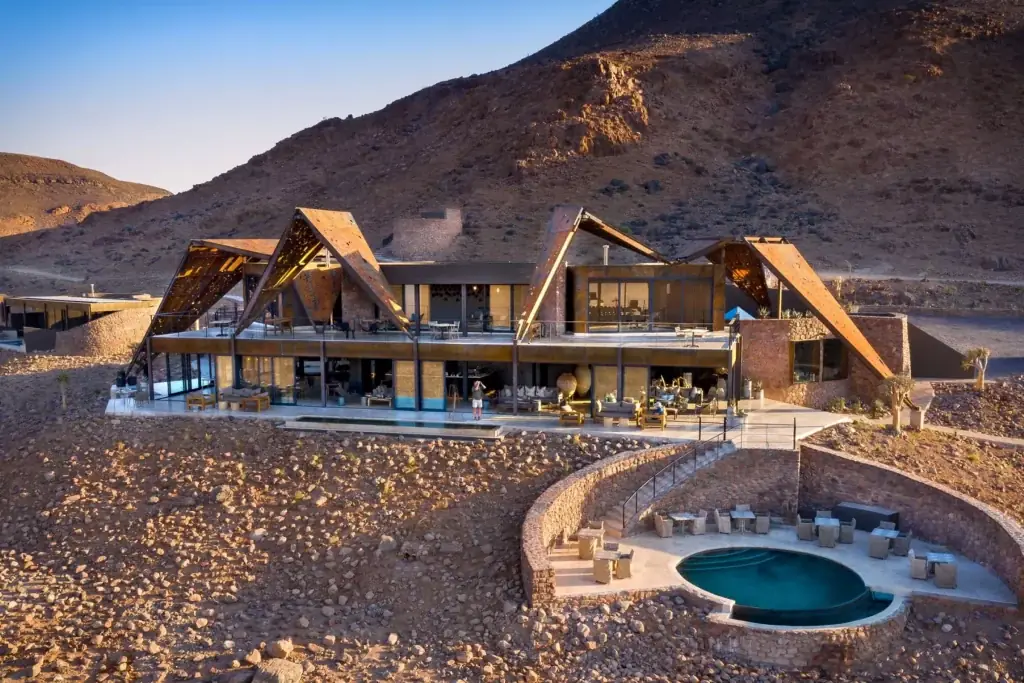
| Canyon Minimalist Pavilions | 25 – 45 keys | Concrete, steel & glass structures integrated into sandstone mesas | Ultra-luxury ADR or semi-inclusive adventure packages | Long regional airport transfers; extreme summer heat |
| Geothermal & Mineral Spring Retreats | 12 – 35 keys | Historic bungalows, private soaking tubs, natural hot springs | High seasonal ADR + wellness and farm-to-table dining | High humidity around springs; strict booking lead times |
| Historic Desert Ranches & Farms | 10 – 30 keys | Adobe casitas, working farm acreage, orchards, horse stables | All-inclusive or high European Plan tariffs | Isolation from urban medical and retail infrastructure |
| High-Desert Glamping & Tented Camps | 20 – 50 keys | Canvas-topped luxury pavilions, plunge pools, fire pits | Semi-inclusive adventure tariffs + seasonal weather windows | High seasonal wind vulnerability; winter temperature drops |
| Urban-Fringe Desert Sanctuaries | 30 – 75 keys | Spanish Revival, territorial style, walled botanical courtyards | High ADR + destination restaurant and spa revenues | Higher public-venue permeability and foot traffic |
Realistic Decision Logic for Property Selection
When selecting among the best desert boutique hotels, United States properties feature distinct operational profiles that align with specific traveler objectives:
-
Prioritizing Absolute Wilderness Isolation & Minimalist Design: Select Amangiri or Camp Sarika in Utah, or Ambiente in Sedona. Low-impact structures embedded directly into sandstone mesas or desert floors deliver unmatched visual solitude and dark-sky stargazing.
-
Seeking Historic Geothermal Soaking & Farm-to-Table Dining: Choose Castle Hot Springs in Morristown, Arizona, where natural thermal mineral springs and on-site agricultural acreage drive the daily guest experience.
-
Targeting Retro-Design, Pool Culture & Walkable Oasis Energy: Deploy Korakia Pensione or Sparrows Lodge in Palm Springs, or Pioneertown Motel near Joshua Tree, capturing architectural nostalgia and vibrant desert social pacing.
Detailed Real-World Scenarios and Operational Stress Testing
Examining how desert boutique stays behave under real-world operational stress exposes vulnerabilities unique to arid-land hospitality.
The July Afternoon HVAC Failure in Low-Thermal-Mass Desert Rooms
-
Constraints: Travelers book a mid-July stay at a design-forward desert property featuring extensive unshaded glass walls and lightweight framing.
-
Decision Points: Prioritizing aesthetic transparency over climate-responsive building physics.
-
Failure Modes: Ambient temperatures exceeding 110°F overwhelm standard HVAC units, causing mechanical failure and rapid interior heat gain.
-
Second-Order Effects: Guests experience severe thermal discomfort, while management scrambles for portable replacement units, demonstrating why high-mass construction is essential in the desert.
The Flash Flood and Highway Washout on Remote Desert Roads
-
Constraints: Guests reserve a winter or monsoon-season stay at an isolated canyon retreat accessed via unpaved desert washes.
-
Decision Points: Ignoring local meteorological flash-flood warnings or attempting to cross flowing water in standard rental vehicles.
-
Failure Modes: Sudden localized thunderstorms transform dry arroyos into raging torrents, cutting off property access and stranding travelers.
-
Second-Order Effects: Inbound arrivals face extended delays, highlighting the importance of all-weather access roads and property-managed emergency transfer protocols.
The Open-Air Glamping Dust Storm and Wind Mismatch
-
Constraints: A traveler books a luxury canvas tented camp during spring wind season in the Mojave or Sonoran high desert.
-
Decision Points: Selecting lightweight tented accommodations without auditing high-wind anchoring systems.
-
Failure Modes: Gusts exceeding 50 mph create intense fabric flapping, acoustic disruption, and fine particulate dust infiltration.
-
Second-Order Effects: Sleep is severely disrupted, proving that canvas structures require heavy-duty wind mitigation and sealed interior environments.
Public Pool and Restaurant Permeability in Urban Desert Oasis Hotels
-
Constraints: Guests check into a historic Palm Springs or Scottsdale boutique hotel expecting tranquil poolside seclusion, overlooking the property’s active day-pass and public restaurant program.
-
Decision Points: Auditing a property’s public-to-resident permeability before finalizing reservations.
-
Failure Modes: Non-overnight visitors crowd the pool deck and lounge spaces on weekends, transforming a boutique retreat into a lively daytime social club.
-
Second-Order Effects: Quiet relaxation is compromised, illustrating the tension between commercial monetization and guest privacy.
Planning, Cost, and Resource Dynamics
Evaluating expenditure across desert boutique properties requires accounting for climate-driven operational costs, utility management, and seasonal rate volatility.
Direct vs. Indirect Cost Architecture
Desert properties face unique cost pressures, including heavy energy demands for continuous cooling, intensive water management in arid basins, and specialized landscaping maintenance to control dust and preserve native xeriscaping. Direct costs cover suite tariffs and bundled meal plans. Indirect costs frequently include mandatory daily resort fees ($35 to $90 per night), high-mileage private SUV or regional air transfer costs ($300 to $900), and specialized desert touring outlays.
| Cost Component | Mid-Century Oasis Motel | Canyon Minimalist Pavilion | Geothermal & Farm Sanctuary |
| Base Suite / Cottage Rate (Per Night) | $350 – $750 | $1,500 – $3,800 | $1,100 – $2,600 |
| Mandatory Resort / Utility Fees | $30 – $60 / night + tax | $75 – $120 / night + tax | $50 – $90 / night + tax |
| Private Regional Transfers | Rental car or rideshare | $350 – $900 round-trip SUV | $200 – $500 regional transfer |
| On-Property Dining & Beverage | $150 – $300 / couple/day | $300 – $600 / couple/day | Built-in or $250–$500 / day |
| Estimated 3-Night Couple Outlay | $1,400 – $3,300 | $5,200 – $13,500 | $4,100 – $9,800 |
Tools, Strategies, and Support Systems
Navigating premier desert properties requires leveraging specialized tools and verification workflows to ensure optimal thermal comfort and logistical ease.
-
Luxury Travel Advisor Preferred Partner Channels
-
Utility: Booking affiliated desert sanctuaries (such as Amangiri, Castle Hot Springs, or luxury resorts in Sedona and Palm Springs) through accredited luxury consortia (Virtuoso, Amex FHR, Relais & Châteaux) secures direct BAR rates alongside daily breakfast, $100 property credits, and priority suite placement.
-
Limits: Upgrade availability is constrained at 15- to 45-key properties where premier suites sell out months in advance.
-
-
Microclimate Seasonal Temperature Auditing
-
Utility: Reviewing regional temperature norms ensures travel occurs during ideal windows (October through April for the Mojave and Sonoran deserts; shoulder seasons for high-desert Utah and New Mexico), avoiding extreme summer heat peaks.
-
Limits: Climate anomalies can still trigger unseasonal heatwaves or cold snaps.
-
-
Direct Engineering & HVAC Infrastructure Inquiries
-
Utility: Contacting the on-site management team to confirm that guest rooms feature high-mass construction or modern, quiet multi-zone HVAC systems prevents uncomfortable acoustic or thermal surprises.
-
Limits: Hotels rarely disclose granular equipment specifications over standard booking chats.
-
-
Satellite Topography & Setback Verification
-
Utility: Inspecting satellite imagery confirms whether a desert property sits within a protected natural canyon basin or directly against a dusty highway corridor.
-
Limits: Satellite views cannot capture interior acoustic insulation or localized dust levels.
-
-
Shoulder-Season Booking Shifts
-
Utility: Shifting stays to late autumn or early spring reduces nightly tariffs by 20 to 35 percent while bypassing extreme summer temperatures and winter freeze events.
-
Limits: Desert evenings during shoulder months require reliable outdoor heating infrastructure.
-
-
Comprehensive Weather-Interruption Insurance
-
Utility: Pairing bookings with travel insurance protects non-refundable deposits against unexpected regional flash floods, highway washouts, or wildfire smoke disruptions.
-
Limits: Standard policies require verified meteorological triggers rather than casual travel hesitation.
-
Risk Landscape, Failure Modes, and Compounding Disruption
Arid-land boutique hospitality carries distinct environmental, infrastructural, and operational risks that frequently compound during extreme weather events.
Taxonomy of Desert Boutique Risk Factors
-
Grid & Utility Instability: Extended power outages during peak heatwaves overload regional electrical grids, testing backup generator capacity.
-
Extreme Thermal & UV Degradation: Rapid weathering of exterior wood, paint, fabric shades, and pool equipment under intense desert sun and blowing sand.
-
Flash Flood & Washout Isolation: Sudden summer monsoon storms cutting off access roads to remote canyon or desert properties.
-
Key-Person Staffing Constraints: Difficulty retaining specialized hospitality talent in isolated desert regions, impacting service consistency.
Compounding failure cascades typically unfold when a remote desert property experiences a grid power failure during a 115°F afternoon, straining backup generators and compromising guest comfort before emergency maintenance can intervene.
Governance, Maintenance, and Long-Term Adaptation
Protecting physical assets and ensuring uninterrupted guest comfort in harsh arid environments requires executing disciplined maintenance and monitoring protocols.
Desert Property Maintenance Checklist
Execute these operational reviews quarterly to mitigate environmental wear and utility strain:
-
HVAC & Thermal Envelope Audit: Inspect weatherstripping, double-glazed window seals, and cooling compressor efficiency across all guest accommodations.
-
Water & Greywater System Testing: Verify filtration purity, well pump integrity, and drip-irrigation line performance to prevent water loss in arid soils.
-
Dust & Sand Mitigation Review: Check door sweeps, air filtration units, and outdoor canvas tensioning to minimize particulate accumulation.
-
Emergency Power & Communication Check: Test backup diesel generators, satellite internet redundancy, and emergency supply stock levels.
Measurement, Tracking, and Evaluation Frameworks
Assessing the true performance and sustainability of a desert boutique property requires tracking both quantitative efficiency metrics and qualitative guest signals.
Quantitative vs. Qualitative Evaluation Matrix
-
Quantitative Metrics: Diurnal Thermal Efficiency Ratio (DTER), Arid Resource Footprint Index (Water Use Per Guest Night), Energy Independence Percentage, and True Net Stay Cost Variance.
-
Qualitative Signals: Indoor Acoustic Calm, Thermal Stability Across Day and Night, Native Landscaping Integration, and Staff Responsiveness in Remote Settings.
-
Leading vs. Lagging Indicators: High thermal mass architecture, closed-loop water recycling, and confirmed microclimate alignment serve as leading indicators of a superior stay. Uninterrupted sleep, balanced indoor temperatures, and effortless outdoor enjoyment represent lagging indicators of true property excellence.
Common Misconceptions and Oversimplifications
Mainstream travel media frequently perpetuates oversimplifications regarding arid-land destinations that lead to misaligned expectations and booking errors.
- Myth 1: “All Deserts Maintain Warm, Sunny Weather Year-Round”
-
Correction: High-desert regions (such as Santa Fe, Joshua Tree, and southern Utah) sit at high elevations and experience freezing winter temperatures, snowfall, and brisk sub-freezing nights.
- Myth 2: “Mid-Century Glass Pavilion Architecture Is Energy-Efficient in the Desert”
-
Correction: Unshaded floor-to-ceiling glass walls require massive mechanical cooling loads to counteract solar gain, making historical glass structures far less thermally stable than high-mass adobe or rammed earth.
- Myth 3: “Small Desert Hotels Enjoy Unlimited Groundwater Access”
-
Correction: Desert water tables are strictly constrained; responsible boutique properties must rely on strict conservation, hauled water, or advanced greywater recycling.
Ethical, Practical, and Contextual Considerations
Operating low-density luxury hospitality across fragile arid ecosystems carries profound environmental and cultural responsibilities. Sustainable desert operators invest heavily in water stewardship, native habitat restoration, and strict dark-sky lighting ordinances that protect nocturnal wildlife and preserve pristine stargazing visibility. Furthermore, honoring the indigenous heritage and ranching history of the American West ensures that tourism development respects the cultural provenance of these historic desert landscapes.
Booking directly or through accredited luxury travel advisors ensures that revenues support local staff housing, conservation initiatives, and authentic regional artisans rather than leaking to third-party commissions.
Conclusion
Evaluating options among the best desert boutique hotels in the United States requires looking past curated photographic styling, minimalist fire pits, and generalized wellness marketing. Achieving genuine comfort, architectural authenticity, thermal stability, and financial predictability demands an analytical approach grounded in evaluating diurnal thermal efficiency, arid resource footprints, microclimate alignment, and all-in cost structures.
In final synthesis, navigating the best desert boutique hotels in the United States market demands a rigorous commitment to operational realism. By combining climate-aware scheduling with physical envelope verification and direct booking relationships, travelers and hospitality analysts can ensure that a stay across America’s most arresting arid landscapes delivers enduring quietude, architectural craft, and profound connection.