Luxury Boutique Hotel Hideaways in the United States: Guide
The geography of American luxury hospitality has undergone a structural transformation over the past two decades. Rather than gravitating toward high-density convention towers or standardized highway properties, discerning travelers increasingly seek seclusion within low-impact, highly individualized environments. These properties—ranging from restored coastal lighthouses and historic Blue Ridge farmsteads to desert canyon pavilions and isolated alpine chalets—operate far outside the predictable frameworks of corporate multinational brands. They demand a completely different set of architectural, logistical, and financial evaluations from both asset owners and long-term patrons.
Evaluating these isolated sanctuaries requires stripping away the polished visual language of lifestyle marketing. A truly secluded retreat depends entirely on structural envelope integrity, strict zoning compliance, resilient off-grid utility management, and disciplined asset stewardship. Because physical key counts are strictly constrained to maintain spatial intimacy, a single unvetted acoustic intrusion, a deferred mechanical maintenance cycle, or an infrastructure bottleneck can entirely compromise the guest experience. Understanding the complex mechanics governing these properties is essential for hospitality investors, real estate analysts, and travelers seeking authentic privacy.
Navigating this specialized sector involves balancing aesthetic provenance against heavy operational realities. What appears in travel publications as effortless rustic charm or minimalist modernism usually conceals complex engineering feats, exceptionally high staff-to-guest ratios, and rigorous environmental conservation mandates. Examining the structural, historical, and economic dimensions of these properties provides a comprehensive framework for assessing high-end independent lodging across North America.
Understanding “luxury boutique hotel hideaways united states.”
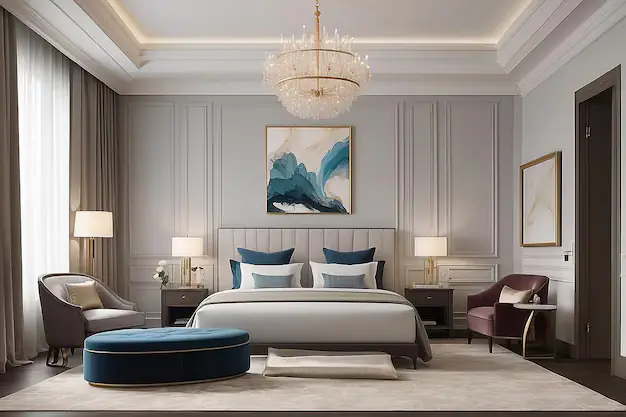
Evaluating the market for luxury boutique hotel hideaways in the United States requires separating superficial visual styling from measurable architectural, acoustic, and operational performance. Mainstream travel media frequently applies the boutique or hideaway label to any property featuring exposed wood beams, localized art pieces, or fewer than 100 rooms. From an engineering and asset management perspective, however, a true luxury seclusion property meets four structural criteria. First, it maintains a low physical key count, typically between 10 and 40 accommodations. Second, it features site-specific architecture rooted in adaptive reuse or regional vernacular topography. Third, it employs high staff-to-guest ratios to support bespoke, unscripted service delivery. Fourth, it utilizes strategic spatial buffering that insulates guests from external roadways, neighboring commercial agriculture, and public foot traffic.
Core Structural Audit Layers
Systematically auditing elite independent hideaways requires analyzing three core structural layers:
-
Acoustic Isolation and Terrain Buffering: Evaluating whether property boundaries maintain adequate natural topography, elevation change, or vegetative density to neutralize highway noise, aviation paths, and neighboring activity.
-
Key Density and Acreage-to-Room Ratios: Assessing the ratio of guest accommodations to total estate acreage, ensuring that standalone cottages, valley-view suites, or forest pavilions provide genuine privacy rather than compressed courtyard proximity.
-
Off-Grid Utility Redundancy: Examining whether the property maintains independent well-water filtration, heavy-duty backup electrical generation, and advanced wastewater treatment systems capable of sustaining operations during remote utility failures.
Common Procurement Oversights
A pervasive mistake in luxury travel procurement is assuming that high nightly rates and remote wilderness settings automatically guarantee quietude, spacious layouts, and structural comfort. A 20-room historic property located adjacent to a heavily trafficked two-lane rural highway or a major state park access point can experience severe morning truck vibration, delivery noise, and heavy visitor dust during peak travel seasons despite top-tier room pricing. Conversely, a property tucked into a secluded canyon benchland or spread across private timber acreage delivers absolute acoustic and visual seclusion.
Deep Contextual Background: From Frontier Outposts to Modern Rural Sanctuaries
The architecture of American rural hospitality evolved through distinct agricultural, industrial, and real estate phases over the past century and a half. In the late nineteenth and early twentieth centuries, emerging wilderness and coastal destinations were anchored by functional logging camps, mining-town rooming houses, and rudimentary stagecoach stops. These utilitarian buildings offered shelter to seasonal laborers, prospectors, and agrarian merchants, establishing lodging as a secondary, highly practical enterprise tied strictly to regional resource extraction.
During the mid-twentieth century, post-war economic expansion and the proliferation of the national highway system shifted regional development toward roadside motels, standardized motor lodges, and commercial tourist strips. By the late 1980s and 1990s, pioneering hoteliers spearheaded a radical counter-movement, transforming historic estate houses, abandoned mills, and rustic ranches into design-forward retreats. They recognized that affluent travelers increasingly desired deep immersion in untamed landscapes paired with urban-level culinary and architectural sophistication.
In recent decades, surging demand for hyper-local wellness and digital detox culture has accelerated the adaptive reuse of historic structures and the development of low-impact rural sanctuaries across diverse domestic geographies. Boutique hotel groups and luxury operators have converted former apple orchards, coastal lifesaving stations, timber mills, and historic cattle ranches into high-design hideaway destinations. Today, identifying premier properties across the luxury boutique hotel hideaways United States landscape requires navigating a diverse ecosystem spanning restored New England coastal compounds, Appalachian mountain cabins, Texas Hill Country limestone retreats, and Pacific Northwest rainforest treehouses.
Conceptual Frameworks and Mental Models for Secluded Hospitality Evaluation
Objective comparison of premier independent seclusion properties requires analytical models that isolate acoustic resilience, geographic isolation, and operational logistics.
1. The Fixed-Overhead Dilution Ratio (FODR)
Because independent luxury hideaways operate with small room inventories, fixed operational costs—such as resident estate chefs, wellness directors, grounds maintenance crews, and specialized utility technicians—must be amortized across far fewer keys than in a 350-room commercial resort. High-FODR properties either command ultra-high nightly tariffs to fund deep staffing benches or adopt lean, cross-trained service models. Properties caught in the middle, charging mid-tier luxury rates while attempting full-scale amenity breadth, frequently experience service bottlenecks.
2. The Isolation-to-Access Permeability Index (IAPI)
This model evaluates how external public access, regional utility lines, and emergency service proximity affect the private guest experience across different seasons. Low-IAPI sanctuaries feature deep topographical separation from public highways and tourist corridors, ensuring complete tranquility year-round. High-IAPI properties offer immediate paved-road access, trading absolute wilderness seclusion for travel convenience.
3. The True Net Seclusion Stay Cost Metric (TNSSCM)
This model calculates the complete financial outlay of an upscale secluded stay by combining baseline suite tariffs, mandatory daily resort fees, automatic service charges, mandatory private airport transfers or rental vehicle upgrades, and localized dining outlays, minus bundled consortia credits.
Key Categories and Structural Variations in Independent American Hideaways
Premier small-scale independent properties in American rural and remote regions fall into distinct architectural archetypes. Each balances geographic heritage, key count, and pricing models differently.
| Hideaway Retreat Archetype | Typical Key Count | Architectural & Environmental Profile | Revenue & Pricing Model | Primary Operational Trade-Off / Vulnerability |
| Coastal Cliffside Compounds | 10 – 25 keys | Weathered cedar shingles, expansive glass viewing walls, sea-facing decks | High nightly ADR + all-inclusive dining packages | Severe marine corrosion requiring frequent exterior maintenance |
| Mountain Forest Pavilions | 15 – 35 keys | Heavy timber framing, floor-to-ceiling stone fireplaces, elevated walkways | Ultra-luxury ADR + wellness and outdoor guiding programs | Winter weather isolation and seasonal road closures |
| Desert Canyon Sanctuaries | 12 – 30 keys | Rammed-earth walls, private plunge pools, shaded interior courtyards | Premium ADR + private stargazing and desert excursion fees | Extreme thermal swings and intense solar wear on materials |
| Historic Farmland Estates | 10 – 25 keys | Restored nineteenth-century farmhouses, converted barns, heritage orchards | High ADR + farm-to-table culinary programming | Proximity to rural county roads can introduce traffic noise |
| Island & Archipelagic Lodges | 8 – 20 keys | Low-profile maritime architecture accessible only by boat or seaplane | Exclusive buyout pricing + full-board packages | Complex logistics for supply chain delivery and waste removal |
| Canyon Ranch Outposts | 20 – 45 keys | Adobe masonry, exposed log vigas, sweeping valley viewing terraces | High BAR pricing + equine and wilderness activities | High water consumption in arid regional microclimates |
Realistic Decision Logic for Property Selection
When selecting among premier properties representing luxury boutique hotel hideaways in the United States, travelers must evaluate operational models against specific personal objectives:
-
Prioritizing Absolute Wilderness Seclusion: Select standalone forest or mountain pavilions where private decks look out over untamed acreage with zero public foot traffic.
-
Seeking Maritime Heritage & Coastal Privacy: Choose weathered cedar shingle compounds perched on private New England or Pacific Northwest sea bluffs.
-
Targeting Arid Silence & Thermal Sanctuary: Deploy desert canyon rammed-earth hideaways featuring private plunge pools and expansive stargazing terraces.
Detailed Real-World Scenarios and Operational Stress Testing
Examining how independent luxury hideaways behave under real-world operational stress exposes vulnerabilities unique to small-footprint remote properties.
The Winter Storm Grid Failure and Isolation
-
Constraints: Travelers book a remote mountain forest pavilion for a quiet winter weekend, expecting seamless luxury amenities.
-
Decision Points: Selecting an isolated alpine property without verifying primary heating redundancies or backup generation capacity.
-
Failure Modes: Heavy wet snow downs primary regional transmission lines, cutting off grid electricity. While backup generators activate, extreme sub-zero temperatures strain the heating circulation pumps in distant standalone cabins.
-
Second-Order Effects: Interior temperatures drop temporarily in peripheral suites, illustrating why assessing backup micro-grid resilience is vital for winter mountain travel.
Island Supply Chain Disruption and Dining Limitations
-
Constraints: Guests reserve an archipelago lodge accessible only by a scheduled afternoon ferry during peak autumn storm season.
-
Decision Points: Booking a remote maritime hideaway without accounting for regional marine transport schedules.
-
Failure Modes: Gale-force winds suspend all ferry and seaplane operations for 48 hours, preventing the scheduled delivery of fresh culinary provisions and incoming housekeeping staff.
-
Second-Order Effects: The lodge transitions to emergency larder menus, demonstrating the inherent logistical vulnerability of island and archipelagic properties.
Extreme Heat Wave and Well-Water Capacity Strain
-
Constraints: Guests check into a desert canyon sanctuary during an unprecedented mid-summer heat dome with temperatures exceeding 115 degrees Fahrenheit.
-
Decision Points: Choosing an isolated desert retreat relying on local well extraction rather than municipal water feeds.
-
Failure Modes: Surging guest demand for air conditioning and continuous pool filtration lowers local water table pressure, triggering automatic water conservation protocols across the property.
-
Second-Order Effects: Non-essential water features are temporarily shut down, highlighting the resource management challenges facing arid luxury properties.
Wildlife Interface and Perimeter Security Challenges
-
Constraints: Travelers book a historic Blue Ridge mountain estate known for immersive wilderness integration.
-
Decision Points: Prioritizing open-air architectural landscaping over physical perimeter controls.
-
Failure Modes: Unsecured outdoor dining waste attracts local black bears onto the guest veranda during the evening hours, disrupting outdoor lounge access.
-
Second-Order Effects: Property management implements mandatory wildlife-proof containment protocols, altering the casual outdoor dining experience.
Planning, Cost, and Resource Dynamics
Evaluating expenditure across elite independent luxury hideaways requires accounting for labor-intensive culinary programs, mandatory resort fees, and specialized private transport outlays.
Direct vs. Indirect Cost Architecture
Independent rural hideaways face unique cost structures, including high staff-to-guest ratios, remote supply chain logistics, and specialized property maintenance. Direct costs cover suite tariffs and baseline breakfast inclusions. Indirect costs frequently include mandatory daily resort fees, private backcountry transfers, and curated wilderness excursion fees.
| Cost Component | Coastal Cliffside Compound | Mountain Forest Pavilion | Desert Canyon Sanctuary |
| Base Suite Rate (Per Night) | $800 – $1,600 | $700 – $1,400 | $900 – $2,000 |
| Mandatory Resort / Destination Fees | $50 – $90 / night + tax | $45 – $85 / night + tax | $60 – $100 / night + tax |
| Private Backcountry / Marine Transfer | $200 – $500 roundtrip | $150 – $350 roundtrip | $180 – $400 roundtrip |
| Curated Wilderness Excursions | $200 – $600 / person | $150 – $500 / person | $250 – $700 / person |
| Estimated 3-Night Couple Outlay | $3,500 – $7,500 | $3,000 – $6,500 | $4,000 – $9,500 |
Tools, Strategies, and Support Systems
Navigating premier independent luxury hideaways requires leveraging specialized tools and verification workflows to ensure optimal comfort, weather resilience, and dining exclusivity.
-
Direct Estate Concierge & Logistics Pre-Planning
-
Utility: Engaging the property’s resident experience manager weeks before arrival ensures seamless private transfers, dietary coordination, and customized wilderness itineraries.
-
Limits: Remote properties depend heavily on regional weather forecasts, making advance itinerary planning subject to last-minute adjustments.
-
-
Luxury Travel Advisor Preferred Partner Channels
-
Utility: Booking affiliated wilderness and coastal hideaways through accredited luxury consortia secures direct best available rates alongside daily gourmet breakfast, property credits, and priority suite placement.
-
Limits: Upgrade availability is tightly constrained at small-key properties where premier view suites sell out months in advance.
-
-
Topographic Microclimate & Solar Exposure Analysis
-
Utility: Inspecting regional topographical maps confirms whether a property sits in a damp, shaded mountain hollow or an exposed, sun-drenched coastal bluff.
-
Limits: Topographic maps cannot capture localized wind tunnels or sudden marine fog inversions.
-
-
Shoulder-Season Weather Shifting
-
Utility: Shifting travel dates to late spring or early autumn reduces nightly tariffs while bypassing crowded regional travel corridors and extreme weather extremes.
-
Limits: Certain seasonal outdoor guiding programs and coastal ferry routes operate on restricted schedules outside peak summer months.
-
-
Accredited Private Aviation & Transfer Coordination
-
Utility: Pre-booking private charter flights or specialized four-wheel-drive ground transfers ensures safe navigation to remote mountain or desert properties.
-
Limits: Private airstrips and rugged mountain access roads are vulnerable to sudden high-wind or heavy precipitation closures.
-
-
Allergen & Environmental Sensitivity Audits
-
Utility: Checking regional pollen counts and smoke advisory networks helps guests with respiratory sensitivities avoid peak wildfire or agricultural burning seasons.
-
Limits: Wildfire smoke patterns are highly dynamic and difficult to predict weeks in advance.
-
Risk Landscape and Failure Modes
Independent luxury hideaways carry distinct environmental, geographic, and operational risks that frequently compound during regional disruptions.
Taxonomy of Rural Hospitality Risk Factors
-
Severe Weather & Climate Disruption Risk: Wildfire smoke intrusion, flash flooding in desert slot canyons, heavy winter snow isolation, and coastal storm surges.
-
Remote Infrastructure & Grid Vulnerability: Extended power outages impacting well-water pumps, sewage ejector systems, and satellite internet connectivity.
-
Strict Environmental Zoning Restrictions: Municipal conservation mandates prohibiting exterior lighting modifications, generator placements, or physical expansion.
-
Specialized Labor Retention in Isolated Enclaves: Severe housing shortages in rural tourist towns make it difficult to house skilled culinary and engineering staff, impacting service consistency.
Compounding failure cascades typically unfold when an intense winter blizzard triggers a regional power failure, cutting off municipal electricity while heavy snow loads block secondary access roads, forcing on-site engineering teams to rely entirely on local fuel reserves and satellite communications.
Governance, Maintenance, and Long-Term Adaptation
Protecting delicate coastal, desert, or mountain ecosystems while ensuring uninterrupted guest comfort requires executing disciplined maintenance and monitoring protocols.
Rural Property Maintenance Checklist
Execute these operational reviews quarterly to mitigate environmental wear, material degradation, and utility strain:
-
Generator & Micro-Grid Load Testing: Perform monthly load-bank tests on backup diesel and propane generators, ensuring sufficient fuel reserves for multi-day grid isolation.
-
Water Filtration & UV Sterilization Audits: Inspect well-water particulate filters, reverse osmosis membranes, and ultraviolet disinfection lamps to guarantee pristine water quality.
-
Wildfire Defense & Brush Clearance: Maintain required defensible space clearing around all guest cabins, clearing combustible brush and inspecting ember-resistant roof mesh.
-
Marine & Weatherproofing Envelope Inspections: Check exterior timber sealants, window weather-stripping, and slate or shingle roof integrity against driving rain and high winds.
Measurement, Tracking, and Evaluation Frameworks
Assessing the true performance and sustainability of an independent luxury hideaway requires tracking both quantitative efficiency metrics and qualitative guest signals.
Quantitative vs. Qualitative Evaluation Matrix
-
Quantitative Metrics: Fixed-Overhead Dilution Ratio (FODR), Isolation-to-Access Permeability Index (IAPI), Staff-to-Key Service Ratio, and True Net Seclusion Stay Cost Variance.
-
Qualitative Signals: Acoustic Serenity and Wilderness Privacy, Culinary Provenance and Chef Adaptability, Unscripted Staff Anticipatory Care, and Post-Stay Restorative Satisfaction.
-
Leading vs. Lagging Indicators: Low key density, natural acoustic buffers, and robust utility redundancy serve as leading indicators of a superior stay. Deep uninterrupted sleep, stable indoor climate comfort, and frictionless transfer logistics represent lagging indicators of true property excellence.
Common Misconceptions and Oversimplifications
Mainstream travel media frequently perpetuates oversimplifications regarding independent luxury retreats that lead to misaligned expectations and booking errors.
- Myth 1: “All Wilderness Hideaways Offer Absolute Digital Disconnection and Silence”
-
Correction: Many properties maintain high-speed satellite internet for executive travelers, and properties located near federal highways or air corridors may experience intermittent ambient noise.
- Myth 2: “Historic Rural Inns Feature Modern Elevator Access and Expansive Suite Layouts”
-
Correction: Strict historic preservation and environmental zoning laws frequently prohibit the addition of elevators or structural expansions in converted farmhouses and heritage lodges.
- Myth 3: “Booking Through Standard Online Travel Agencies Secures Exclusive Wilderness Guiding Access”
-
Correction: Boutique hideaways reserve their most intimate private wilderness guides and custom excursion allocations for direct bookers and specialized luxury consortia advisors.
- Myth 4: “All Rural Boutique Hotels Operate Year-Round Without Interruption”
-
Correction: Many high-altitude mountain properties and remote island lodges close entirely for seasonal maintenance during severe winter or hurricane windows.
- Myth 5: “Standard Rental Vehicles Can Access Any Remote Luxury Outpost”
-
Correction: Rugged mountain passes, unpaved desert tracks, and remote coastal driveways frequently require high-clearance four-wheel-drive vehicles rather than standard compact sedans.
- Myth 6: “Peak Summer and Autumn Seasons Always Deliver the Ideal Secluded Experience”
-
Correction: While visually stunning, peak travel seasons represent the busiest and most congested periods, often requiring months of planning and reducing wilderness solitude.
Ethical, Practical, and Contextual Considerations
Operating low-density luxury hospitality across fragile wilderness and coastal ecosystems carries profound environmental and community responsibilities. Sustainable independent operators invest heavily in renewable solar micro-grids, greywater recycling technology, native habitat restoration, and strict dark-sky lighting compliance to protect local nocturnal wildlife. Furthermore, supporting local rural economies by partnering with nearby independent craftsmen, organic farmers, and regional wilderness guides ensures that tourism development enriches rather than displaces local communities.
Booking directly or through accredited luxury travel advisors ensures that revenues support local staff living wages, environmental conservation funds, and authentic regional partnerships rather than leaking to third-party online travel agency commissions.
Conclusion
Evaluating options across the luxury boutique hotel hideaways United States market requires looking past curated photographic styling, fashionable remote branding, and generalized lifestyle hype. Achieving genuine comfort, architectural authenticity, acoustic isolation, and operational resilience demands an analytical approach grounded in evaluating fixed-overhead dilution ratios, isolation-to-access permeability indices, spatial constraints, and all-in cost structures.
In final synthesis, navigating the American rural luxury boutique hotel market demands a rigorous commitment to operational realism. By combining climate-aware seasonal scheduling with utility redundancy verification and direct booking relationships, travelers and hospitality analysts can ensure that a stay across America’s most arresting independent sanctuaries delivers enduring quietude, environmental harmony, and profound restorative connection.