Romantic Boutique Hotel Destinations USA: Definitive Evaluation Guide
The domestic small-footprint hospitality sector engineered for couples operates at a specialized intersection. It balances acoustic zoning, spatial geometry, culinary intimacy, and scarce inventory. Unlike urban convention towers built for business volume, or sprawling family resorts organized around multi-generational play, intimate properties thrive on low-key density, architectural containment, and unhurried service. From cliffside sanctuaries along California’s Highway 1 and Napa Valley estates to historic Charleston carriage houses and alpine lodges, these properties follow operational rules that differ sharply from chain hotels.
Evaluating top retreats for couples requires looking past rose-petal clichés, staged photography, and lifestyle rankings. True operational quality depends on specific physical and policy factors. Does the architecture isolate private terraces from public paths? Do age policies prevent family pool noise during school holidays? Do dining venues balance two-top table intimacy against local foot traffic? Finally, do cancellation rules protect rate integrity across small room counts? Two properties advertising identical “couples escape” packages can deliver vastly different realities. One may sit on a busy highway with thin plaster walls, while another offers detached stone cottages across private acres.
Understanding these mechanics is essential for travel directors, asset analysts, and discerning couples. Promotional portals often promise an effortless getaway. In reality, they conceal strict deposit cutoffs, unbundled resort and valet fees, weekend minimums, and wide physical differences within identical room tiers. Exploring the romantic boutique hotel destinations USA offers requires a rigorous analytical framework to audit and compare premier small-scale retreats.
Understanding “romantic boutique hotel destinations USA.”
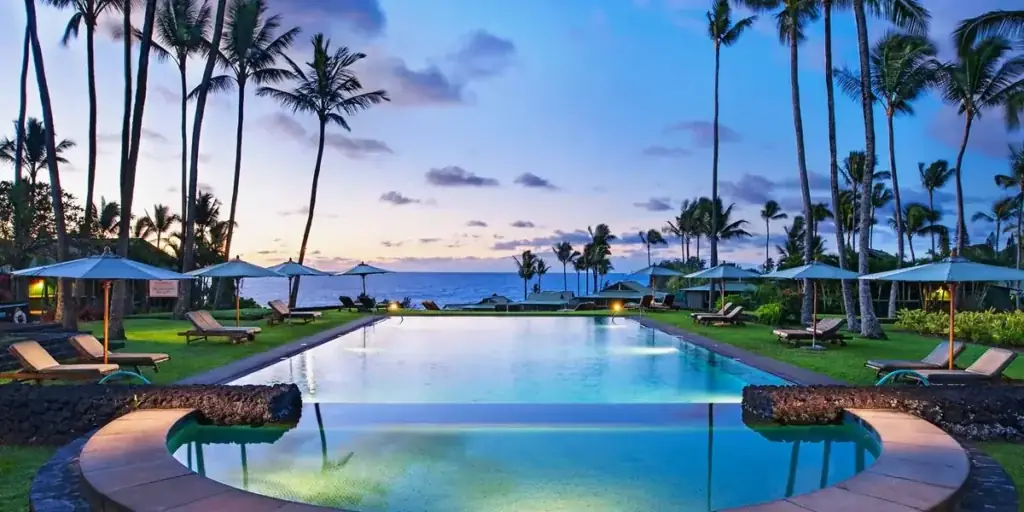
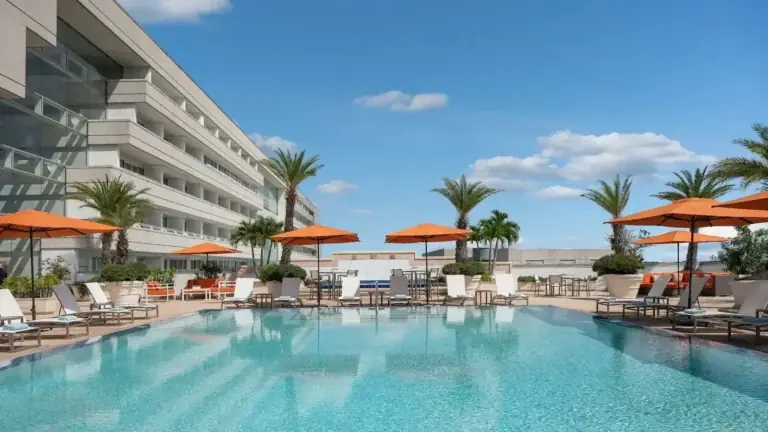
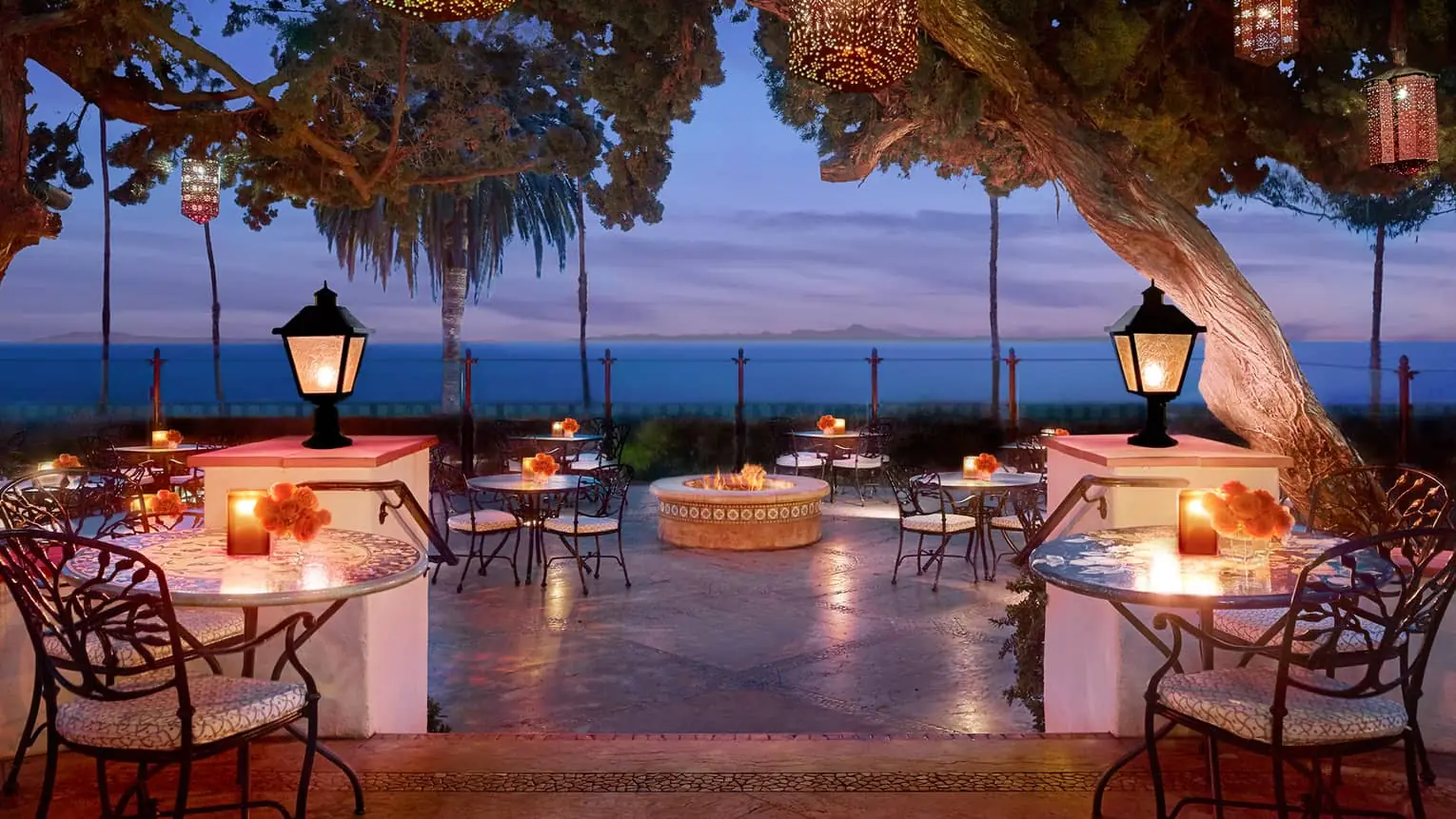
Evaluating the landscape of romantic boutique hotel destinations in the USA requires separating emotional marketing from measurable performance. Travel journalism routinely applies the romantic label to any charming inn with four-poster beds, fireplaces, or coastal views. From an operations standpoint, however, a premier couples boutique destination meets four structural criteria: low physical key count (typically 10 to 75 rooms), high acoustic and visual separation, demographic tranquility (via adults-only covenants or low-density zoning), and culinary and spa facilities built for two-person pacing.
Core Structural Audit Layers
Systematically auditing intimate boutique destinations requires analyzing three core structural layers:
-
Acoustic Isolation and Sightline Privacy: Evaluate the physical distance between guest suites, plunge pools, and soaking tubs. Assess whether standalone cottages, cliffside pavilions, or thick masonry walls block neighboring conversations and hallway foot traffic.
-
Demographic Containment and Venue Permeability: Determine whether the property enforces a strict minimum age policy (such as 18+ or 21+) or maintains adult-only pools and dining rooms. Examine how much external foot traffic enters via public restaurants, bars, or weekend weddings.
-
Temporal Autonomy and Culinary Intimacy: Assess whether daily rhythms like extended breakfast hours, private dining, and couples spa suites allow two people to set their own pace without rigid schedules.
Common Procurement Oversights
A common mistake in couples travel planning is equating high nightly rates or “couples packages” with true privacy. A 30-room inn beside a busy wine-tasting corridor or public boardwalk experiences constant ambient noise despite luxury linens and welcome champagne. Conversely, a well-zoned estate with detached cottages and gated gardens delivers complete seclusion near major coastal or urban hubs.
Assessing domestic couples retreats seriously requires looking beneath decorative styling. Analysts must examine spatial buffers, age-policy enforcement, restaurant seat ratios, and all-in stay costs.
Deep Contextual Background: From Mid-Century Novelty to Architectural Seclusion
American romantic boutique hospitality evolved through distinct cultural, design, and economic phases over the past seventy years. In the 1950s and 1960s, couples travel gained national visibility through pioneering resorts in Pennsylvania’s Pocono Mountains. These mid-century properties introduced theatrical novelties: circular beds, heart-shaped tubs, and mirrored ceilings that prioritized playful escapism over architectural refinement.
During the 1980s and 1990s, independent hoteliers and architects rejected mid-century kitsch in favor of minimalist luxury, regional character, and nature immersion. Properties such as Post Ranch Inn in Big Sur, San Ysidro Ranch in Montecito, Auberge du Soleil in Napa Valley, and Twin Farms in Vermont redefined the category. Instead of gimmicks, they offered standalone redwood or stone cottages, private outdoor soaking tubs, hyper-local dining, and strict limits on room counts and outside visitors.
Over the past twenty years, digital over-stimulation and demanding urban careers accelerated demand for disconnection and restorative intimacy. Independent groups and luxury soft brands such as Auberge Resorts Collection, Palisociety, Bunkhouse, and Relais & Châteaux expanded intimate retreats into historic Southern cities, desert canyonlands, New England harbors, and mountain towns.
Today, identifying the romantic boutique hotel destinations USA travelers value most requires navigating a mature market. It spans ultra-private rural estates, historic carriage-house inns, cliffside coastal sanctuaries, and design-forward desert pavilions.
Conceptual Frameworks and Mental Models for Intimate Destination Evaluation
Objective comparison of premier couples retreats requires analytical models that isolate spatial seclusion, demographic calm, and net financial outlay.
1. The Sightline and Acoustic Containment Index (SACI)
This framework measures how well a property protects private indoor and outdoor spaces from visual and noise intrusion. High-SACI properties use detached cottages, mature hedging, cliffside elevation, or heavy masonry so guests cannot see or hear neighbors from private decks. Low-SACI properties cluster rooms around shared courtyards or thin-walled historic hallways.
2. The Public-to-Resident Permeability Ratio (PRPR)
This model evaluates how much external, non-overnight traffic enters the campus via public restaurants, rooftop bars, day spas, or weekend weddings. Low-PRPR sanctuaries restrict grounds, pools, and dining exclusively to overnight guests, preserving undisturbed intimacy. High-PRPR hotels monetize local dining and nightlife traffic, creating lively social energy alongside higher courtyard noise.
3. The True Net Romantic Stay Cost Metric (TNRSCM)
This model calculates the total financial outlay of a couples retreat. It combines baseline suite tariffs, daily estate or urban fees, automatic service charges, valet parking or regional transfers, and couples spa or tasting costs, minus bundled consortia credits.
Key Categories and Structural Variations in Romantic Boutique Destinations
Premier couples-oriented boutique destinations across the United States fall into distinct geographical and operational archetypes, each balancing privacy, culinary depth, and seasonality differently.
| Destination Archetype | Flagship US Regions | Spatial & Architectural Profile | Culinary & Experiential Focus | Primary Operational Trade-Off / Vulnerability |
| Cliffside Coastal & Redwood Sanctuaries | Big Sur, Carmel, Mendocino (CA) | 20–45 keys; detached wood/glass cliff suites, outdoor soaking tubs | Farm-to-coast fine dining, coastal hiking, marine vistas | Cold Pacific surf; Highway 1 landslides; summer morning marine fog |
| Wine Country Vineyard Estates | Napa Valley, Sonoma (CA), Willamette Valley (OR) | 20–60 keys; hillside cottages, olive groves, private vineyard terraces | Michelin-starred dining, cellar pairings, private estate tastings | Peak autumn harvest tariffs; heavy weekend tasting-room traffic |
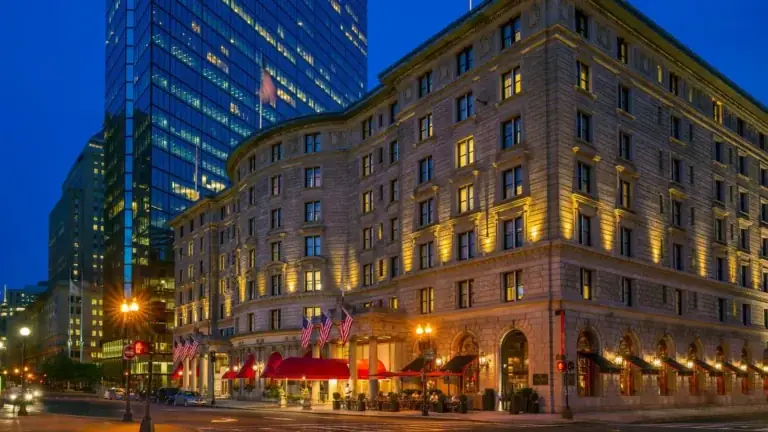
| Historic Southern & Coastal Carriage Inns | Charleston (SC), Savannah (GA), St. Michaels (MD) | 12–45 keys; restored 19th-century mansions, walled brick courtyards | Lowcountry gastronomy, artisan cocktail lounges, walkable history | Thin historic walls in main houses; summer heat and humidity |
| Desert & Red-Rock Minimalist Retreats | Sedona (AZ), Southern Utah, Palm Springs (CA) | 25–45 keys; low-impact stone/glass casitas, private plunge pools | Dark-sky stargazing, desert spa rituals, canyon guiding | Extreme summer afternoon heat; long regional airport transfers |
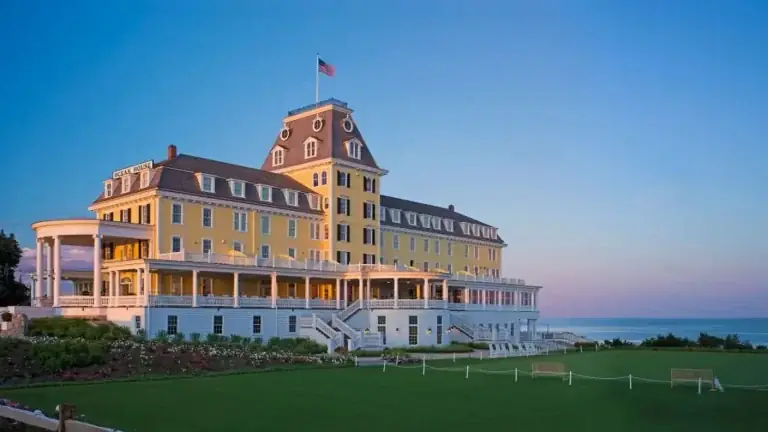
| New England Maritime Harbors & Rural Estates | Kennebunkport (ME), Barnard (VT), Newport (RI) | 15–40 keys; clapboard cottages, Gilded Age mansions, wooded estates | Cold-water seafood, hearthside dining, autumn foliage & sailing | Short peak summer/autumn window; winter closures in coastal towns |
| Subtropical Island & Riviera Hideaways | Florida Keys, Montecito, Laguna Beach (CA) | 25–55 keys; oceanfront bungalows, botanical canyon cottages | Seaside dining, yacht charters, year-round outdoor lounging | August–October hurricane risk in FL; strict weekend minimums |
Exemplary Romantic Boutique Destinations and Flagship Properties
Examining representative properties across these categories illustrates how regional landscape, room geometry, and privacy governance shape the couples’ experience among the romantic boutique hotel destinations the USA offers:
1. Big Sur & Carmel-by-the-Sea, California
Protected by stringent coastal conservation laws that ban chain hotels and billboards, Big Sur’s dramatic coastline is anchored by Post Ranch Inn (40 adults-only cliffside suites and treehouses free of televisions) and Alila Ventana Big Sur (an adults-only redwood canyon sanctuary). Thirty miles north, walkable Carmel-by-the-Sea offers storybook cottages, white-sand crescent beaches, and intimate micro-inns such as Le Petit Pali at 8th Ave and Villa Mara Carmel.
-
Strengths: Unmatched coastal drama, strict guest-only sanctuary containment at top properties, and world-class farm-to-coast dining.
-
Trade-Offs: Brisk coastal winds, summer morning marine fog, and high baseline nightly tariffs.
2. Napa Valley & Sonoma County, California
Northern California’s premier wine regions blend Mediterranean hillside topography with world-renowned gastronomy. Flagship couples retreats include Auberge du Soleil (a 50-room adults-only hillside sanctuary in Rutherford overlooking valley vineyards), Meadowood Napa Valley, and SingleThread Inn in Healdsburg (featuring just five bespoke guest rooms above a three-Michelin-starred farm-driven restaurant).
-
Strengths: Seamless integration of private vineyard tastings, Michelin-caliber dining, and sun-drenched hillside terraces.
-
Trade-Offs: Steep peak harvest rates from August through October and strict 30- to 45-day cancellation policies.
3. Montecito & Santa Barbara, California
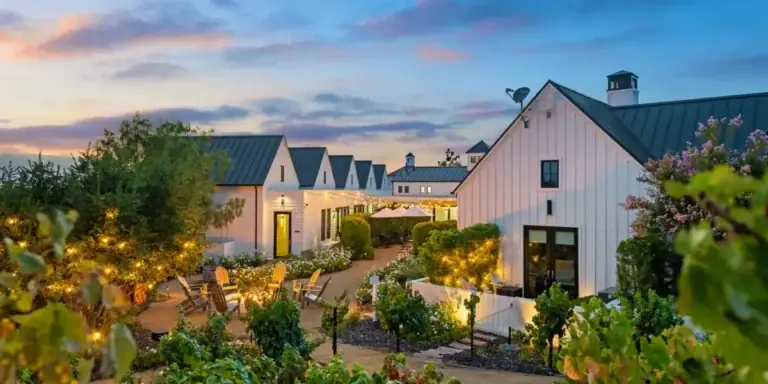
Nestled between the Santa Ynez Mountains and the Pacific Ocean, Montecito pairs mild year-round coastal weather with botanical privacy—exemplified by San Ysidro Ranch (38 private stone-and-board-and-batten cottages surrounded by gated lavender gardens and outdoor rain showers) and Rosewood Miramar Beach.
-
Strengths: Reliable year-round sunshine, walkable coastal villages, and detached cottage layouts engineered for celebrity-level discretion.
-
Trade-Offs: High nightly tariffs and multi-night weekend minimums throughout the year.
4. Charleston, South Carolina & Savannah, Georgia
For couples drawn to historic architecture, gaslit streets, and acclaimed Southern gastronomy, Charleston and Savannah offer intimate adaptive-reuse boutique inns such as Zero George (16 rooms across restored 1804 residences and carriage houses in Charleston), The Restoration, and Perry Lane Hotel in Savannah.
-
Strengths: Highly walkable historic districts, walled courtyard dining, and vibrant culinary and cocktail scenes.
-
Trade-Offs: Historic timber-frame buildings carry higher ambient street and hallway sound transmission than modern concrete structures.
5. Sedona, Arizona & Canyon Point, Utah
The American Southwest delivers dramatic geological isolation and dark-sky stargazing at architectural retreats such as Ambiente, A Landscape Hotel in Sedona (40 adults-only bronze-tinted glass cubes elevated on steel piers with private rooftop decks) and Amangiri in southern Utah (34 minimalist sandstone suites across 600 private acres).
-
Strengths: Striking desert canyon sightlines, private rooftop fire pits or plunge pools, and restorative desert spa programs.
-
Trade-Offs: Intense summer daytime temperatures between June and August and longer regional transit times.
6. Kennebunkport, Maine & Barnard, Vermont
New England pairs rocky maritime harbors with forested rural estates. In coastal Maine, White Barn Inn, Auberge Resorts Collection offers 27 classic rooms and riverfront cottages paired with fine dining in a restored 19th-century barn. Inland in Vermont, Twin Farms spans 300 private acres with 28 adults-only all-inclusive cottages and treehouses.
-
Strengths: Deep seasonal character (summer coastal sailing and peak autumn foliage), cozy hearthside dining, and unhurried rural charm.
-
Trade-Offs: Cold winter temperatures and seasonal business closures along the coast from November through April.
7. The Florida Keys (Little Torch Key & Islamorada)
At the southern tip of the continental United States, Little Palm Island Resort & Spa occupies a four-acre private island accessible only by boat or seaplane, offering 30 thatched-roof oceanfront suites under a strict adults-only policy with zero televisions or telephones.
-
Strengths: True tropical private-island isolation without a passport, warm winter ocean swimming, and digital detox architecture.
-
Trade-Offs: High sensitivity to August–October tropical storm systems and substantial all-in nightly tariffs.
Realistic Decision Logic for Destination Selection
Matching a couple’s travel style with the right boutique archetype prevents seasonal and spatial mismatches:
-
Prioritizing Complete Seclusion & Zero Schedule Friction: Select Twin Farms, San Ysidro Ranch, or Little Palm Island. Detached cottages, adults-only or low-density campus rules, and bundled dining eliminate external crowds and reservation stress.
-
Targeting Culinary Excellence & Wine Culture: Choose Napa Valley (Auberge du Soleil, SingleThread Inn) or Charleston (Zero George) to pair intimate boutique lodging with top-tier regional gastronomy.
-
Seeking Dramatic Natural Landscapes & Stargazing: Deploy Post Ranch Inn in Big Sur, Ambiente in Sedona, or Amangiri in Utah for architectural immersion inside iconic coastal or desert topography.
Detailed Real-World Scenarios and Operational Stress Testing
Examining how couples’ boutique stays behave under real-world operational stress exposes hidden vulnerabilities in acoustic privacy, event buyouts, and seasonal microclimates.
The Weekend Wedding Buyout & Courtyard Disruption
-
Constraints: A couple books a three-night autumn weekend stay at a 26-room wine-country or Southern carriage-house boutique hotel, planning quiet evening drinks by the courtyard fire pit.
-
Decision Points: Reserving rooms online without asking the front desk about private events scheduled during those dates.
-
Failure Modes: A private wedding party has contracted the main garden lawn and courtyard bar for Friday welcome drinks and Saturday reception.
-
Second-Order Effects: Registered overnight guests are displaced from signature outdoor lounges and subjected to reception music until 11:00 PM, illustrating why pre-arrival event checks are vital at small-footprint properties.
Historic Main-House Acoustic Contagion vs. Carriage House Privacy
-
Constraints: Travelers book an entry-level room in the restored 1820s main mansion of a historic coastal or Southern boutique inn rather than a detached garden carriage house.
-
Decision Points: Selecting the lead-in room rate to save $150 per night without auditing building construction.
-
Failure Modes: Original hardwood floors and lath-and-plaster walls transmit footstep vibrations from upstairs guests and muffled lobby conversation directly into the room.
-
Second-Order Effects: Morning sleep is interrupted early, whereas booking a detached carriage-house suite or top-floor corner room eliminates overhead and hallway noise.
“Couples Retreat” Marketing Without Binding Age Restrictions
-
Constraints: A couple books a coastal boutique resort promoted with romantic photography during late March or mid-July, assuming a quiet, adult-oriented pool deck.
-
Decision Points: Relying on romantic marketing imagery rather than verifying a written 18+ or 21+ age-restriction policy.
-
Failure Modes: Because the property has no age minimum, several multi-generational families with young children occupy the main swimming pool during school spring break.
-
Second-Order Effects: Anticipated poolside tranquility vanishes, demonstrating the difference between “romantic marketing” and legally enforced adults-only properties like Post Ranch Inn, Twin Farms, Ambiente, or Little Palm Island.
Last-Minute Fine-Dining Lockout in Small Culinary Towns
-
Constraints: A couple books a spontaneous weekend escape to Carmel-by-the-Sea, Healdsburg, or Kennebunkport two weeks before arrival.
-
Decision Points: Securing hotel rooms first and waiting until arrival to arrange dinner reservations.
-
Failure Modes: Small coastal and wine-country towns have limited fine-dining seat counts; top tasting-menu restaurants and hotel dining rooms are booked 30 to 60 days out.
-
Second-Order Effects: The couple is forced into late 9:30 PM bar seating or casual takeout, underscoring the need to lock dining simultaneously with lodging.
Planning, Cost, and Resource Dynamics
Evaluating expenditure across the romantic boutique hotel destinations USA offers requires accounting for room-tier spreads, unbundled destination fees, and private spa or dining outlays.
Direct vs. Indirect Cost Architecture
In a 15- to 50-room couples sanctuary, fixed payroll for executive chefs, sommeliers, concierges, and spa therapists is amortized across a small key count, driving higher baseline tariffs. Direct costs cover suite rates and bundled meal packages. Indirect costs frequently include mandatory daily estate or urban destination fees ($45 to $110 per night), overnight valet parking ($45 to $85 per night), automatic 20 to 24 percent service charges at all-inclusive estates, and couples spa treatments ($500 to $900 per session).
| Cost Component | Historic Urban / Harbor Inn | Wine-Country / Desert Sanctuary | Ultra-Luxury All-Inclusive Estate |
| Base Room / Cottage Rate (Per Night) | $550 – $1,200 | $1,100 – $2,300 | $2,400 – $5,200+ (All-inclusive) |
| Mandatory Destination / Service Fees | $40 – $75 / night + 13%–16% tax | $60 – $110 / night + 14%–16% tax | 20% – 24% service charge + local tax |
| Overnight Valet / Regional Transfers | $45 – $75 / night (Valet) | $50 – $85 / night (Valet) | Included or $300–$800 private boat/SUV |
| Fine Dining & Wine Pairings | $220 – $450 / couple/day | $300 – $650 / couple/day | Built into tariff (Rare reserve wines extra) |
| Couples Spa & Private Tastings | $400 – $700 / session | $500 – $900 / session | Core activities included; spa extra |
| Estimated 3-Night Couple Outlay | $2,800 – $6,200 | $4,900 – $10,800 | $8,800 – $18,500+ |
Tools, Strategies, and Support Systems
Navigating intimate destination properties requires leveraging specialized consortia networks, direct property relationships, and spatial verification tools while recognizing their practical limits.
-
Luxury Travel Advisor Preferred Partner Channels
-
Utility: Reserving affiliated couples retreats (such as Auberge properties, Rosewood Miramar Beach, Post Ranch Inn, or Little Palm Island) through accredited luxury advisors unlocks daily full breakfast, $100 to $200 spa or dining credits, welcome champagne, and priority suite upgrades at identical direct tariffs.
-
Limits: Upgrade availability is naturally constrained at 15- to 40-key retreats where top cottages sell out months ahead.
-
-
Curated Romantic & Culinary Alliances
-
Utility: Directories such as Relais & Châteaux and Small Luxury Hotels of the World pre-vet independent properties for intimate scale, architectural character, and gastronomic rigor.
-
Limits: Membership indicates editorial curation rather than uniform ownership; age policies and room dimensions still vary by property.
-
-
Direct On-Site Reservation Desk Layout Audits
-
Utility: Calling the property’s local reservation desk before entering payment details allows couples to request detached cottages, top-floor corner suites, or rooms with private outdoor soaking tubs shielded from public paths.
-
Limits: Most boutique properties assign exact room numbers 24 to 48 hours before check-in rather than guaranteeing specific numbers months early.
-
-
Simultaneous Dining, Tasting & Couples Spa Locking
-
Utility: Booking signature restaurant tables, private winery appointments, and couples spa suites on the exact day lodging is confirmed eliminates on-property scheduling friction.
-
Limits: Select Michelin-starred or boutique dining rooms release reservations on strict 30- or 60-day rolling calendars.
-
-
Mid-Week Arrival Shifting (Sunday–Wednesday)
-
Utility: Shifting a romantic escape from Friday–Sunday to Sunday–Wednesday reduces nightly tariffs by 20 to 35 percent at drive-to coastal, wine-country, and historic inns while eliminating weekend wedding buyout congestion.
-
Limits: Certain boutique restaurants or winery tasting rooms close on Mondays or Tuesdays.
-
-
Satellite Parcel & Sightline Mapping
-
Utility: Inspecting property coordinates on satellite maps confirms whether guest cottages sit inside private gardens or border busy highways, public beaches, or neighboring commercial buildings.
-
Limits: Satellite imagery cannot capture interior wall soundproofing or window double-glazing thickness.
-
Risk Landscape, Failure Modes, and Compounding Disruption
Couples boutique travel carries distinct acoustic, contractual, and seasonal risks that frequently compound when expectations clash with small-property constraints.
Taxonomy of Romantic Boutique Failure Modes
-
Sightline & Acoustic Exposure: Booking an entry-level room facing a busy street, public boardwalk, or noisy courtyard restaurant, eroding intimacy and sleep quality.
-
Private Event Displacement: Arriving during a weekend wedding or corporate retreat buyout that closes signature gardens, pools, or dining rooms to regular overnight guests.
-
Strict Cancellation Cutoff Exposure: Small-key-count retreats routinely enforce 30- to 60-day non-refundable cancellation policies, exposing couples to deposit loss if schedules shift unexpectedly.
-
Microclimate Mismatch: Visiting Big Sur or Carmel in foggy July, Sedona in 108°F August, or coastal Maine in shuttered March without aligning expectations to seasonal weather patterns.
Compounding failure cascades often unfold when a couple books a non-refundable weekend stay via a third-party aggregator, receives a compact street-facing room, discovers the courtyard is closed for a private wedding, and cannot secure a dinner table at the hotel restaurant.
Governance, Maintenance, and Long-Term Adaptation
Protecting financial commitments and ensuring uninterrupted intimacy requires executing a structured pre-arrival verification protocol.
Pre-Arrival Romantic Boutique Audit Checklist
Execute these verification steps 45 to 14 days before departure to eliminate scheduling and spatial friction:
-
Private Event & Age-Policy Confirmation: Verify directly with the reservation team that no private weddings or buyouts overlap your stay dates, and confirm whether adults-only zones or campus-wide age minimums apply.
-
Cottage / Quiet-Wing Placement Request: Verify minimum square footage for your booked category and log written requests for a detached cottage, top-floor corner room, or garden-facing suite away from courtyards and elevators.
-
Dining, Spa & Vineyard Reservation Lock: Secure written confirmation times for all evening dinners, couples spa treatments, and private tastings before departure.
-
All-In Fee & Cancellation Cutoff Audit: Record the exact deposit cancellation deadline on your calendar and review itemized destination fees, valet charges, and service gratuities.
Measurement, Tracking, and Evaluation Frameworks
Assessing the true success of a couples boutique retreat requires tracking both financial transparency and qualitative experiential indicators.
Quantitative vs. Qualitative Evaluation Matrix
-
Quantitative Metrics: True All-In Cost Per Stay Night, Private Outdoor Space Square Footage, On-Site Dining Reservation Success Rate, and Unplanned Surcharge Variance.
-
Qualitative Signals: Acoustic and Visual Privacy on Terraces, Staff Discretion and Unhurried Service Pacing, Culinary and Wine Provenance, and Overall Nervous-System Decompression.
-
Leading vs. Lagging Indicators: Direct or consortia booking, detached cottage or upper-floor selection, and mid-week arrival serve as leading indicators of a seamless escape. Uninterrupted sleep, effortless dining intimacy, and transparent checkout folios represent lagging indicators of sound destination selection.
Common Misconceptions and Structural Oversimplifications
Mainstream travel media frequently perpetuates oversimplifications regarding romantic destinations that lead to misaligned expectations and booking errors.
- Myth 1: Any Hotel Offering a “Romance Package” Guarantees a Quiet, Adult-Oriented Atmosphere
-
Correction: Large family resorts routinely sell champagne-and-rose-petal packages while hosting hundreds of children at shared pools and restaurants; true tranquility requires either a legally enforced adults-only boutique property or a low-density cottage estate.
- Myth 2: Every Room Inside a Romantic Boutique Inn Shares the Same Privacy and View
-
Correction: Because boutique hotels occupy historic landmarks or custom hillside terrain, room square footage, private terrace screening, and sightlines vary dramatically even within the same price category.
- Myth 3: Booking Through Third-Party Aggregators Yields Identical Treatment at Identical Rates
-
Correction: Even when headline prices match, boutique front-office managers prioritize direct and luxury consortia bookings for corner suites, garden cottages, and upgrades while routing third-party OTA reservations to entry-level inventory.
Ethical, Practical, and Contextual Considerations
Booking directly or through accredited luxury travel advisors carries meaningful economic implications for independent hospitality operators and host communities. Third-party online travel agencies extract 15 to 25 percent commissions from small-footprint properties, capital that otherwise supports staff wages, historic building preservation, and local agricultural sourcing. Engaging directly with on-property reservation teams or preferred partner advisors aligns traveler incentives with sustainable independent hospitality while unlocking superior room-assignment care.
Furthermore, sustaining the natural beauty and cultural character that define the romantic boutique hotel destinations USA travelers prize requires supporting properties committed to low-impact coastal and desert architecture, local farm-to-table procurement, and heritage preservation.
Conclusion
Evaluating the romantic boutique hotel destinations USA offers effectively requires looking past staged candlelit photography, generic “couples retreat” tags, and superficial amenity lists. Achieving genuine privacy, architectural authenticity, unhurried culinary intimacy, and financial predictability demands an analytical approach grounded in evaluating sightline and acoustic containment, public-to-resident permeability, seasonal microclimates, and all-in fee structures.
By applying structured evaluation frameworks such as the Sightline and Acoustic Containment Index, the Public-to-Resident Permeability Ratio, and the True Net Romantic Stay Cost Metric, couples and travel planners can distinguish truly secluded sanctuaries from high-traffic public-facing inns. Combining early reservation locking with pre-arrival event audits and mid-week arrival planning ensures that a stay across the romantic boutique hotel destinations usa delivers enduring calm, craft, and connection.