
How to Manage Boutique Hotel Late Check-Out Fees: The Complete Guide
Hotel checkout policies are rarely friction-free, but in the boutique sector, departure windows carry unique operational and financial weight. Unlike large commercial chain properties operating with hundreds of standardized rooms and full-time housekeeping shifts spanning twenty-four hours, independent boutique hotels manage tightly constrained inventories. A thirty-room boutique property operating at high occupancy has virtually zero structural cushion. When a guest retains a room past the standard 11:00 AM or 12:00 PM cutoff, the operational ripple effect impacts housekeeping scheduling, incoming arrival sequences, and revenue management logic.
Because independent properties lack the buffer of redundant inventory, late checkout policies are structured with intentional rigidity or dynamic financial penalties. Guests often encounter unexpected charges, tiered hourly rates, or full-night room fee assessments upon departure. These financial friction points frequently stem from a fundamental misalignment between guest expectations shaped by standardized chain loyalty perks and the operational realities of independent hotel yield management.
Managing post-departure timelines effectively requires understanding how independent properties evaluate inventory turnover, how fee schedules are calculated, and how to strategically navigate room retention requests. Whether planning an extended stay, coordinating late international flights, or managing group travel logistics, mastering the mechanics of room availability and departure policy structures allows travelers to eliminate unexpected surcharges and secure operational flexibility.
Understanding “how to manage boutique hotel late check-out fees.”
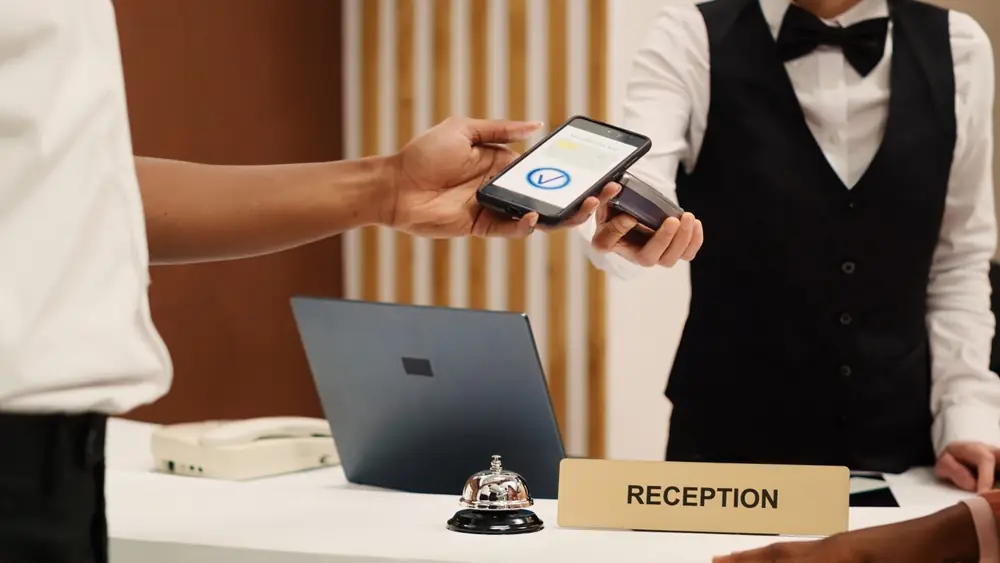
At its core, understanding how to manage boutique hotel late check-out fees requires recognizing that independent departure fees are not arbitrary punitive penalties; they are economic mechanisms designed to regulate inventory turnover and protect operational efficiency.
Understanding how to manage boutique hotel late check-out fees begins with evaluating the structural difference between independent boutique properties and standardized corporate chains. In a 500-room chain hotel, a late departure of two hours across twenty rooms can be absorbed by shifting housekeeping assignments across a large cleaning crew. In a 25-room boutique property, three unannounced late departures disrupt the entire housekeeping workflow, delaying room preparation for arriving guests who may have confirmed early check-ins or premium room reservations.
The fundamental gap in room departure logistics occurs when standardized expectations collide with boutique realities:
-
High Inventory Redundancy vs. Zero Buffer Inventory: Chain hotels can reassign arriving guests to identical alternate rooms; boutique hotels have unique layouts and zero spare buffer units.
-
Continuous Housekeeping vs. Fixed Cleaning Windows: Large hotels run multi-shift cleaning operations, while boutique properties typically operate within a tightly scheduled daytime window.
-
Absorbed Delays vs. Compounding Escalations: A minor delay in a small property directly cascades into arriving guest delays, forcing management to enforce strict fee boundaries.
Misunderstandings around late departure fees generally stem from three operational disconnects:
1. Conflating Corporate Loyalty Status with Independent Policy
Travelers accustomed to top-tier status in corporate loyalty programs often assume that late checkout (such as guaranteed 4:00 PM departure) is a universal industry right. Independent boutique hotels, even those affiliated with soft-brand collections, operate under property-specific management contracts. They retain absolute discretion over room extensions based on real-time room availability, arriving guest profiles, and staffing limits.
2. Misinterpreting the Housekeeping Window
Housekeeping in boutique properties is frequently handled by smaller teams operating within a condensed window, typically between 10:00 AM and 4:00 PM. A room retained until 2:00 PM compresses the turnover window for that specific room into a two-hour block. If that room is a top-tier suite scheduled for an arriving guest at 3:00 PM, the operational pressure multiplies significantly, forcing properties to levy financial charges to compensate for emergency staffing or guest relocation risks.
3. Assuming Automated Grace Periods
While corporate chains might ignore a 30-minute overstay, boutique properties utilizing integrated property management systems (PMS) often automatically flag keys that have not passed front-desk re-authorization by the cutoff hour. Automated billing systems can generate late departure charges the moment the door lock log registers departure past the grace period, making proactive communication essential.
Learning how to manage boutique hotel late check-out fees effectively transforms what appears to be a rigid financial penalty into a predictable, negotiable aspect of travel logistics.
Deep Contextual Background: The Evolution of Hotel Departure Logistics
To understand why boutique hotels enforce departure fees so strictly, one must examine the operational evolution of room turnover management and revenue yield dynamics.
-
1980s–1990s (Analog Operations & Standardized Cutoffs): Universal 12:00 PM checkout and 3:00 PM check-in industry standards dominated. Manual paper logs were used for housekeeping with minimal dynamic pricing flexibility. Late departures were handled informally via front desk discretion.
-
2000s–2010s (The Boutique Boom & Asset Optimization): Rapid proliferation of independent, design-focused properties with custom room categories took place. Automated Property Management Systems (PMS) linked to digital keycards arrived. Hotels shifted toward aggressive yield management, systematically monetizing early check-ins and late check-outs.
-
2020s–Present (Labor Constraints & Hyper-Personalized Logistics): Widespread housekeeping labor shortages restricted turn windows further. Soft-brand alliances and direct-booking perks began offering structured late departures, while algorithmic inventory management locked out late extensions during peak occupancy.
The Shift from Fixed Windows to Dynamic Yield Management
Historically, hotels operated under fixed operational schedules: a universal 12:00 PM checkout coupled with a 3:00 PM check-in. The three-hour buffer provided sufficient operational margin for cleaning crews. However, as independent boutique hotels expanded during the late 1990s and 2000s, properties began optimizing every square foot and every operational hour to maximize RevPAR (Revenue Per Available Room).
Yield management systems evolved to view time itself as inventory. If a room sits occupied past checkout without generating additional revenue, the hotel incurs an opportunity cost. Consequently, properties developed fee structures to monetize extended access, turning late checkouts into an explicit revenue stream rather than an informal courtesy.
Labor Dynamics and Housekeeping Constraints
The modern hospitality landscape faces structural labor constraints. Boutique hotels, which often emphasize detailed turn services—such as hand-pressed linens, custom amenity placement, and thorough room audits—require more labor minutes per room than standardized chain properties. When housekeeping shifts are strictly budgeted between 8:00 AM and 4:30 PM, unexcused late checkouts force management to pay overtime rates or leave rooms unserviced for the night, directly impacting inventory availability for the next business day.
Conceptual Frameworks and Mental Models for Inventory Turnover
Evaluating how properties manage post-departure room access requires applying analytical frameworks that model inventory valuation, operational capacity, and negotiation leverage.
1. The Inventory Opportunity Cost Model
This model calculates the financial threshold at which extending a guest’s stay becomes an operational loss for the hotel. The threshold cost is determined by combining the incoming room’s confirmed booking revenue with any required housekeeping overtime premium, then subtracting any collected late departure fee.
-
Application: If an arriving guest has booked a $400 suite and the current occupant stays late without paying, the hotel risks losing the incoming reservation or issuing compensatory credits. The late checkout fee is set high enough to cover this financial risk.
-
Limitations: Assumes high occupancy; during low-occupancy periods, the actual opportunity cost drops toward zero.
2. The Operational Turnover Window Matrix
This matrix measures the friction level of granting a late checkout based on real-time occupancy and room category uniqueness.
-
High-Friction Vectors: High occupancy (90%–100%), unique architectural features or top-tier suite categories, and confirmed same-day arrivals.
-
Low-Friction Vectors: Low occupancy (0%–50%), standard inventory categories with redundant units, and no confirmed early check-in requests.
-
Application: Extending a departure in a standard room during low occupancy presents low friction. Extending a stay in a one-of-a-kind penthouse suite on a day with 100% incoming occupancy creates critical operational friction.
-
Limitations: Requires real-time visibility into the hotel’s property management system, which guests do not possess directly.
3. The Reciprocal Value Exchange Framework
This framework approaches fee avoidance not as a demand, but as a strategic trade of convenience between the guest and the property. Guests trade physical room possession for alternative property perks, such as utilizing luggage storage, wellness facilities, or lobby workspace, allowing housekeeping to turn the room on schedule while the guest retains on-site comfort.
-
Application: A guest offers to vacate the physical room on time while utilizing property amenities, allowing housekeeping to clean the room while the guest retains access to key facilities.
-
Limitations: Only works for guests whose travel itineraries permit lingering in public hotel spaces rather than needing high-privacy room access.
Fee Models, Policy Variations, and Financial Structures
Boutique hotels employ several distinct fee structures to manage late departures. Understanding these variations helps travelers anticipate costs and evaluate options when determining how to manage boutique hotel late check-out fees.
1. The Grace Period Window
Most properties permit an informal 15-to-30-minute window before automated systems flag key cards or front desk systems apply surcharges. This window exists to prevent administrative friction over minor delays, such as waiting for luggage assistance or processing final folio payments.
2. Flat Tiered Surcharges
A common structure in independent boutique hotels is the flat hourly or tiered charge. For example, staying past an 11:00 AM checkout until 2:00 PM might incur a flat $75 fee. This fee structure is designed to compensate housekeeping for altered shift routes without imposing an unreasonable burden on the guest.
3. Fractional Daily Rates
When departure extends past 2:00 PM or 3:00 PM, properties often shift from flat fees to fractional daily rates—typically charging 50% of the room’s prevailing daily rate. At this stage, the room cannot be cleaned during standard housekeeping hours and requires dedicated shift coverage.
4. Full Night Rate Assessments
Departing past 4:00 PM usually triggers a full 100% daily room fee charge. Operational logic dictates that a room occupied past 4:00 PM cannot be reliably cleaned, inspected, and turned over for an arriving guest that evening. The property effectively loses that inventory unit for the night.
Detailed Real-World Scenarios and Operational Decision Points
Analyzing realistic scenarios demonstrates how operational constraints influence fee policies and highlights practical approaches to managing boutique hotel late check-out fees.
Scenario 1: The Evening Flight Contingency
A guest booked at a 30-room boutique hotel in a capital city discovers at 9:00 AM that their international flight home is delayed from 4:00 PM to 10:00 PM. They wish to retain their room until 6:00 PM.
-
The Operational Constraint: The hotel is fully booked for the coming night, and another guest has reserved that specific room category with an early check-in request.
-
Decision Path: The front desk cannot grant a late checkout even for a full daily fee, as doing so would breach the contract with the arriving guest.
-
Resolution Strategy: Understanding how to manage boutique hotel late check-out fees in this context involves pivoting away from physical room retention. The guest requests luggage storage, secures access to the hotel’s wellness facilities or executive lounge, and books a late afternoon spa service to maintain comfort without holding the room.
Scenario 2: The Extended Business Meeting
A corporate traveler staying at an independent design hotel needs a quiet space for video conferences until 2:30 PM. The standard checkout time is 11:00 AM.
-
The Operational Constraint: The hotel is at 60% occupancy, meaning alternative unassigned rooms are available for incoming arrivals.
-
Decision Path: At check-in (or the evening prior), the traveler approaches the front desk, explains the schedule, and asks about late departure options.
-
Resolution Strategy: Because the hotel has surplus inventory and received advance notice, the front desk waives the standard $100 late fee or offers a discounted $40 extension through 3:00 PM, allowing housekeeping to resequence their cleaning schedule smoothly.
Planning, Cost Dynamics, and Inventory Pricing
Managing departure fees requires analyzing the direct and indirect costs associated with holding hotel space past standard cutoffs.
Direct vs. Indirect Financial Impacts
The direct cost of a late departure is the explicit fee billed to the room folio. However, indirect and opportunity costs also affect the overall equation:
-
Folio Friction & Disputes: Disputing an unannounced late departure fee post-checkout often leads to administrative headaches, credit card hold delays, and unresolvable merchant disputes if the hotel’s policy was clearly posted.
-
Loss of Property Perks: Guests who cause operational disruption by overstaying without notice may be flagged in the hotel’s property management system, diminishing their chances for upgrades, fee waivers, or amenities during future stays.
-
Alternative Facility Costs: Paying a $150 late checkout fee to sit in a room for three extra hours may be far less cost-effective than placing luggage in storage and reserving a day-pass at a nearby executive club, private lounge, or airport facility.
Strategies, Communication Protocols, and Support Systems for Managing Fees
Implementing structured communication techniques allows travelers to minimize or eliminate late departure fees while maintaining a positive relationship with property management.
Step 1: Booking Stage Preparation
Select direct-booking channels offering soft-brand late checkout perks whenever possible. Add arrival and departure timing notes in reservation comments during checkout to alert front office staff early.
Step 2: Check-In Engagement
Inquire gracefully about property occupancy levels for your departure day upon arrival. Re-confirm late departure options early rather than waiting until the morning of checkout when housekeeping routes are already locked.
Step 3: Checkout Morning Protocols
Call the front desk before 9:00 AM if unexpected travel delays arise. Offer operational trade-offs—such as vacating the room on time while utilizing luggage storage and property amenities—to avoid room retention charges.
Precision Front Desk Inquiry Scripts
When requesting a late departure, phrasing matters. Demanding extended access based on generic expectations frequently triggers standard fee enforcement. Using collaborative language yields significantly better results:
-
High-Occupancy Inquiry: “I know the property is busy today, but my flight isn’t until late afternoon. Is there any flexibility for an extra hour, or should I arrange to drop my bags at the desk around 11:00 AM?”
-
Value-Exchange Request: “If keeping the room past 1:00 PM isn’t possible due to arrivals, could I settle my folio now, leave my luggage with the team, and use the business center or pool area until I head out?”
-
Fee-Clarification Inquiry: “Could you let me know the standard fee schedule for a 2:00 PM extension? I’d like to evaluate if keeping the room makes operational sense for my work schedule today.”
Risk Landscape and Operational Failure Modes
Failing to manage late checkout logistics systematically leads to preventable financial and travel disruptions.
When an unannounced overstay occurs past cutoff, automated PMS systems deactivate room keys and flag the folio for late fee collection. This disrupts housekeeping route sequences, stalling room turns and forcing overtime labor. The outcome is an unnegotiated financial penalty, such as a full daily rate assessment or a heavy hourly fee charged directly to the guest’s folio.
1. Automated Key Lockouts and Stranded Belongings
Modern property management systems automatically deactivate digital room keys at the exact checkout minute. Guests who leave their rooms at 11:15 AM to grab coffee, assuming a casual grace period, often return to find themselves locked out. Resolving key failure requires a trip to the front desk, where staff must manually override system blocks and potentially address late fee charges.
2. Compounding Administrative Penalties
Leaving a room unannounced forces housekeeping supervisors to flag the room as “Dirty/Occupied.” If the guest remains unreachable, management may move belongings to secure storage to prepare the room for incoming guests, charging both a late checkout fee and a luggage transfer administrative fee.
3. Strained Guest-Property Relations
Contesting a legitimate, policy-compliant late fee upon departure creates friction. Hotel staff who have incurred overtime costs or managed frustrated arriving guests are unlikely to waive fees incurred due to unannounced overstays.
Long-Term Adaptation, Loyalty Dynamics, and Reservation Auditing
Developing a systematic method for handling hotel departures ensures consistent outcomes across diverse boutique properties.
The Departure Planning Audit Workflow
To streamline post-departure logistics, apply a structured auditing process for every boutique reservation:
-
Verify Base Policy Terms: Check the hotel’s written checkout policy during booking. Cutoff times vary widely—ranging from 10:00 AM in historic European inns to 12:00 PM in urban lifestyle hotels.
-
Assess Travel Schedule Alignment: Compare your departure schedule against the hotel’s cutoff time. If a gap exceeds two hours, formulate an extension strategy in advance.
-
Engage Front Desk Early: Request extensions at check-in or the evening before departure to give housekeeping time to adjust schedules.
-
Utilize Property Public Spaces: Plan to transition out of the physical guest room into hotel lounges, dining venues, or spa facilities when room extensions are unavailable.
-
Review Final Folio Charges: Inspect your final itemized bill prior to departure to ensure any agreed-upon fee adjustments or waivers were accurately applied.
Key Performance Metrics and Room Selection Verification
Tracking specific leading and lagging indicators helps evaluate how effectively a traveler manages departure logistics and avoids unnecessary fees over time.
Leading Indicators
-
Property Occupancy Levels: High occupancy on your checkout date indicates tight inventory, signaling that complimentary late departures will be difficult to secure.
-
Policy Transparency: Properties that publish clear, tiered fee schedules upfront offer predictable environments for arranging extended access.
Lagging Indicators
-
Folio Accuracy: Zero unexpected late checkout surcharges appearing on credit card statements post-stay demonstrates effective departure management.
-
Transition Efficiency: Successfully moving from room to onward transit without getting locked out or delaying housekeeping confirms seamless execution.
Pervasive Misconceptions in Independent Hotel Logistics
Misunderstandings regarding checkout procedures often stem from assumptions carried over from standardized corporate travel environments.
Myth 1: Late Checkout Is Always Available for a Fee
Guests frequently assume that offering to pay guarantees an extension. In reality, if a room is reserved by an incoming guest and the hotel has no alternative inventory in that category, the property cannot grant an extension at any price point without breaching its commitment to the arriving guest.
Myth 2: Staying 30 Minutes Late Is Always Harmless
While 30 minutes seems insignificant to a guest, it directly disrupts housekeeping workflows. Cleaning crews follow precise floor routes; a skipped room at 11:15 AM disrupts the floor sequence and forces attendants to backtrack across the property at 1:30 PM.
Myth 3: Housekeeping Cleaning Speed Is Uniform Across Categories
Guests often assume a room clean takes a standard 20 minutes. In boutique properties, multi-room suites, historic lofts, or rooms with complex architectural features can require 60 to 90 minutes to reset thoroughly.
Myth 4: Tipping Housekeeping Automatically Grants Extended Stay Time
While tipping room attendants is an appropriate courtesy, individual housekeepers do not have the operational authority to extend checkout windows. Departure extensions must be processed through the front desk to update PMS tracking and prevent key card deactivation.
Myth 5: Soft-Brand Alliances Guarantee Universal Chain Rules
Boutique properties affiliated with soft brands maintain independent ownership and management. While they honor core alliance benefits, specific policies—such as late checkout windows—remain subject to property-level availability and local operational constraints.
Ethical, Practical, and Operational Realities
Understanding how properties manage departure logistics involves recognizing the balance independent hoteliers must strike between guest service and operational feasibility.
The departure paradox balances two competing sets of operational priorities:
-
Guest Experience Priorities: Desiring extended relaxation, flexibility, seamless travel day transitions, and complimentary courtesy perks.
-
Operational Housekeeping Demands: Managing fixed cleaning shift windows, ensuring on-time room delivery for incoming arrivals, and staying within tight labor budgets.
Hoteliers aim to provide hospitality until the moment a guest exits the property. However, providing unmanaged, late access to physical rooms without accounting for turnover costs compromises the experience for incoming guests.
When guests recognize that departure fees reflect genuine labor and inventory constraints, managing late checkouts shifts from a point of friction to a collaborative part of travel planning.
Conclusion: Developing Strategic Departure Intuition
Managing boutique hotel departure schedules effectively relies on understanding the operational constraints of non-standardized hospitality. Because independent properties operate with limited inventory buffers and fixed housekeeping windows, late room access must be approached with clear communication and planning.
By understanding how properties calculate fee structures, engaging front desk staff early, evaluating real-time occupancy dynamics, and utilizing public hotel facilities when physical rooms must be vacated, travelers can eliminate unexpected fees and enjoy seamless transitions on departure day. Treating departure logistics as a collaborative process ensures that the unique character and service of a boutique stay remain positive from check-in to final departure.